Pisco Sour Day
February 7, 2026

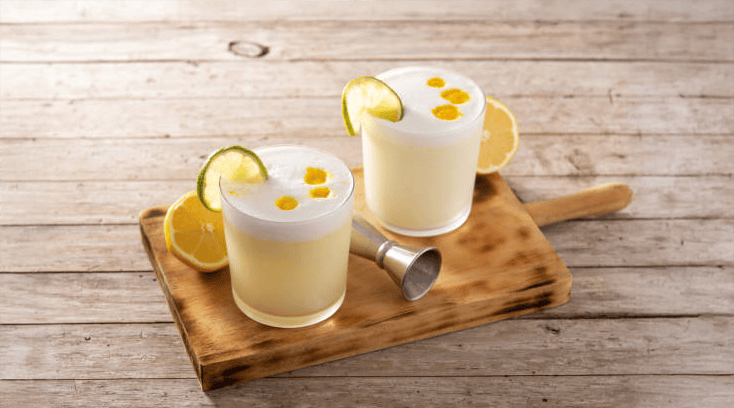
Pisco Sour Day is observed annually in early February and honors a cocktail that reflects complex layers of regional identity, migration, and cultural exchange in South America. The pisco sour is most strongly associated with Peru, where it is regarded as a national drink, though its history also intersects with neighboring Chile and broader transnational influences.
Pisco, the grape brandy that forms the base of the cocktail, traces its origins to the Spanish colonial period. Vine cultivation was introduced to South America by Spanish settlers in the sixteenth century, and grape distillation soon followed. Over time, local producers refined techniques suited to regional climates, giving rise to distinct styles of pisco.
The pisco sour itself emerged in the early twentieth century, widely attributed to a bartender in Lima who adapted classic sour cocktails using local ingredients. This blending of European cocktail structure with regional spirits reflects how global drinking culture was localized rather than simply imported.
Pisco Sour Day developed as an observance to recognize the cocktail not merely as a beverage, but as a cultural artifact shaped by history, craftsmanship, and national symbolism.
The pisco sour holds deep cultural significance because it operates as both everyday drink and ceremonial symbol. In Peru, it appears at celebrations, formal gatherings, and moments of national pride, functioning as a shared reference point across social boundaries.
The cocktail also reflects broader questions of identity and ownership. Competing claims over pisco production and naming conventions illustrate how food and drink become vessels for cultural assertion. These debates underscore the emotional weight carried by culinary heritage.
Socially, the pisco sour represents hospitality and conviviality. Its preparation and presentation emphasize balance, technique, and attentiveness, reinforcing its status as a drink meant to be shared rather than consumed casually.
Pisco Sour Day highlights how beverages can embody history, place, and collective memory.
Pisco Sour Day remains relevant as global interest in regional spirits continues to grow. Consumers increasingly seek authenticity and origin, and the pisco sour provides a clear example of how local tradition enters international awareness.
The observance also encourages appreciation of craftsmanship and cultural continuity in a globalized drinks market.
It reinforces the idea that cocktails can function as historical documents, preserving stories of migration, adaptation, and identity.
The day matters because it recognizes a drink that carries cultural meaning far beyond the glass.