Pizza Pie Day
February 9, 2026

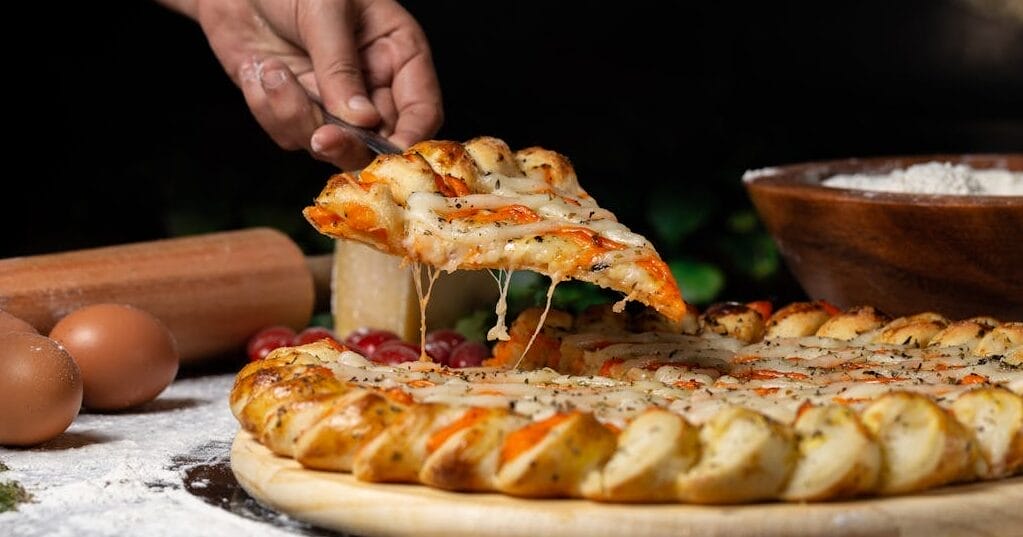
Pizza Pie Day is observed annually in early February and celebrates pizza as a food that reflects both regional specificity and global transformation. Pizza originated in Naples, Italy, where flatbreads topped with simple ingredients served as affordable nourishment for working populations.
Early forms of pizza were shaped by economic necessity. Flatbreads were baked quickly and topped with whatever ingredients were available, including tomatoes, oil, herbs, and cheese. These foods were not designed for prestige, but for accessibility and sustenance.
The introduction of tomatoes to Europe after transatlantic exchange profoundly influenced Neapolitan cuisine. Over time, tomatoes became central to pizza, creating a dish that balanced acidity, fat, and starch in a distinctive way.
Pizza arrived in the United States through Italian immigration in the late nineteenth and early twentieth centuries. Initially confined to immigrant neighborhoods, it gradually spread as tastes shifted and restaurants adapted the dish for wider audiences.
The term “pizza pie” reflects American linguistic adaptation, framing the dish within familiar concepts of portioning and sharing. Pizza Pie Day acknowledges this evolution from regional street food to global staple.
Pizza holds cultural significance because it bridges simplicity and adaptability. Its basic structure remains consistent, yet it accommodates endless variation without losing identity.
In American culture, pizza became associated with communal eating. It is designed for sharing, reinforcing its role in social gatherings, celebrations, and casual meals.
Pizza’s spread also reflects industrialization and distribution. Frozen pizza, delivery services, and standardized production allowed it to become accessible across regions and economic classes.
Culinarily, pizza represents balance rather than excess. Dough, sauce, and topping interact through technique rather than complexity. When well executed, the dish relies on timing, heat, and proportion.
Pizza Pie Day highlights how a food rooted in necessity can become a cultural constant through adaptability and shared enjoyment.
Pizza Pie Day remains relevant because pizza continues to function as both everyday food and cultural symbol. It adapts to local tastes while retaining a recognizable core.
The observance also reinforces the importance of food as a social anchor. Pizza is rarely eaten alone and often marks moments of connection.
In a rapidly evolving food landscape, pizza’s endurance demonstrates the power of familiarity and balance.
The day matters because it honors a dish that transformed from local necessity into a global language of shared eating.