Pop Art Day
January 28, 2028

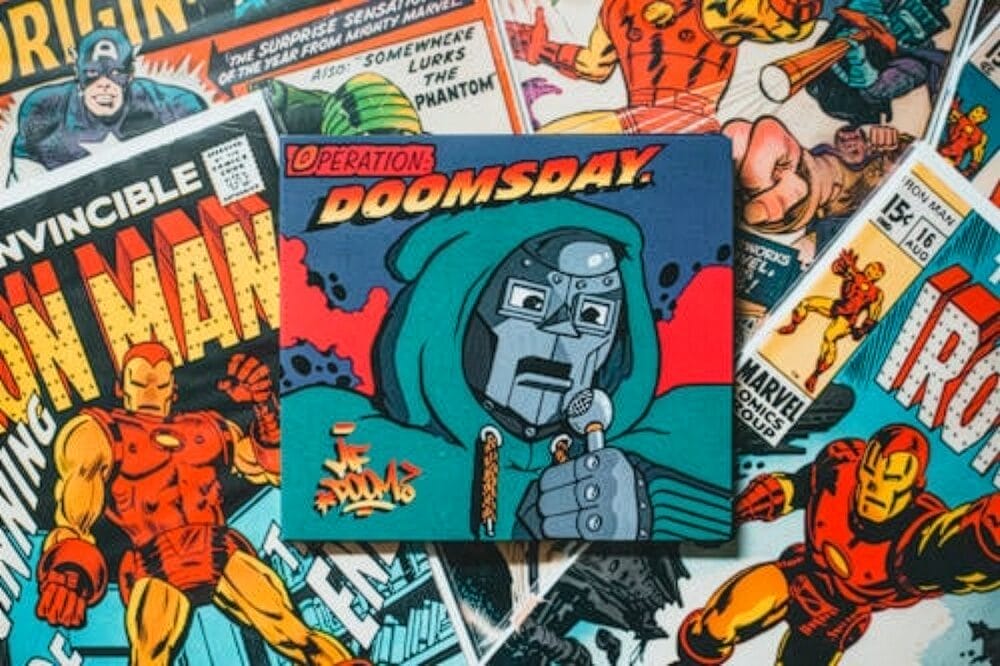
Pop Art Day is observed annually on January 24 and centers on the Pop Art movement, a significant artistic development that emerged during the mid twentieth century. The observance does not commemorate a single event or founding moment, but instead recognizes the cultural shift that Pop Art represented within visual art and popular consciousness.
Pop Art developed in the aftermath of World War II, first gaining momentum in Britain before expanding rapidly in the United States. Artists began reacting against abstract expressionism, which dominated galleries and institutions at the time. While abstract expressionism emphasized emotional intensity and individual gesture, Pop Art turned outward, drawing inspiration from mass media, advertising, consumer goods, and everyday imagery.
The movement reflected a world increasingly shaped by television, print advertising, branding, and mass production. By incorporating recognizable objects such as food packaging, comic panels, and celebrity portraits, Pop Art collapsed the traditional boundary between high art and popular culture. The familiar became the subject, challenging assumptions about what art could depict and whom it was for.
Pop Art Day acknowledges this moment of cultural disruption, when artists intentionally blurred distinctions between fine art, commerce, and daily life.
Pop Art transformed how audiences engage with visual culture. By using imagery already embedded in public consciousness, Pop artists removed barriers of interpretation. Viewers did not need specialized training to recognize the subject matter, even if the meaning remained complex.
The movement also functioned as commentary on consumerism, celebrity, and repetition. Pop Art did not simply celebrate mass culture. In many cases, it mirrored it back in exaggerated or unsettling ways, prompting reflection on desire, identity, and commodification.
Culturally, Pop Art coincided with expanding youth culture and changing social norms. Its aesthetic aligned with music, fashion, and advertising, reinforcing the idea that culture was no longer dictated solely by institutions but produced collectively.
Pop Art Day highlights how art can critique society while using its own visual language, embedding meaning within familiarity.
Pop Art Day remains relevant because contemporary culture is even more saturated with imagery than it was during the movement’s emergence. Digital media, branding, and social platforms continue to blur lines between art, marketing, and identity.
The observance encourages reflection on how images shape perception and value. Pop Art demonstrated that repetition can drain meaning or amplify it, depending on context.
Modern artists continue to draw from Pop Art principles, adapting them to new technologies and cultural conditions. The movement’s legacy persists in design, advertising, and digital expression.
Pop Art Day matters because it reminds society that visual culture is not neutral. Images influence belief, memory, and desire, and understanding that influence begins with awareness.