Popeye Day
January 17, 2029

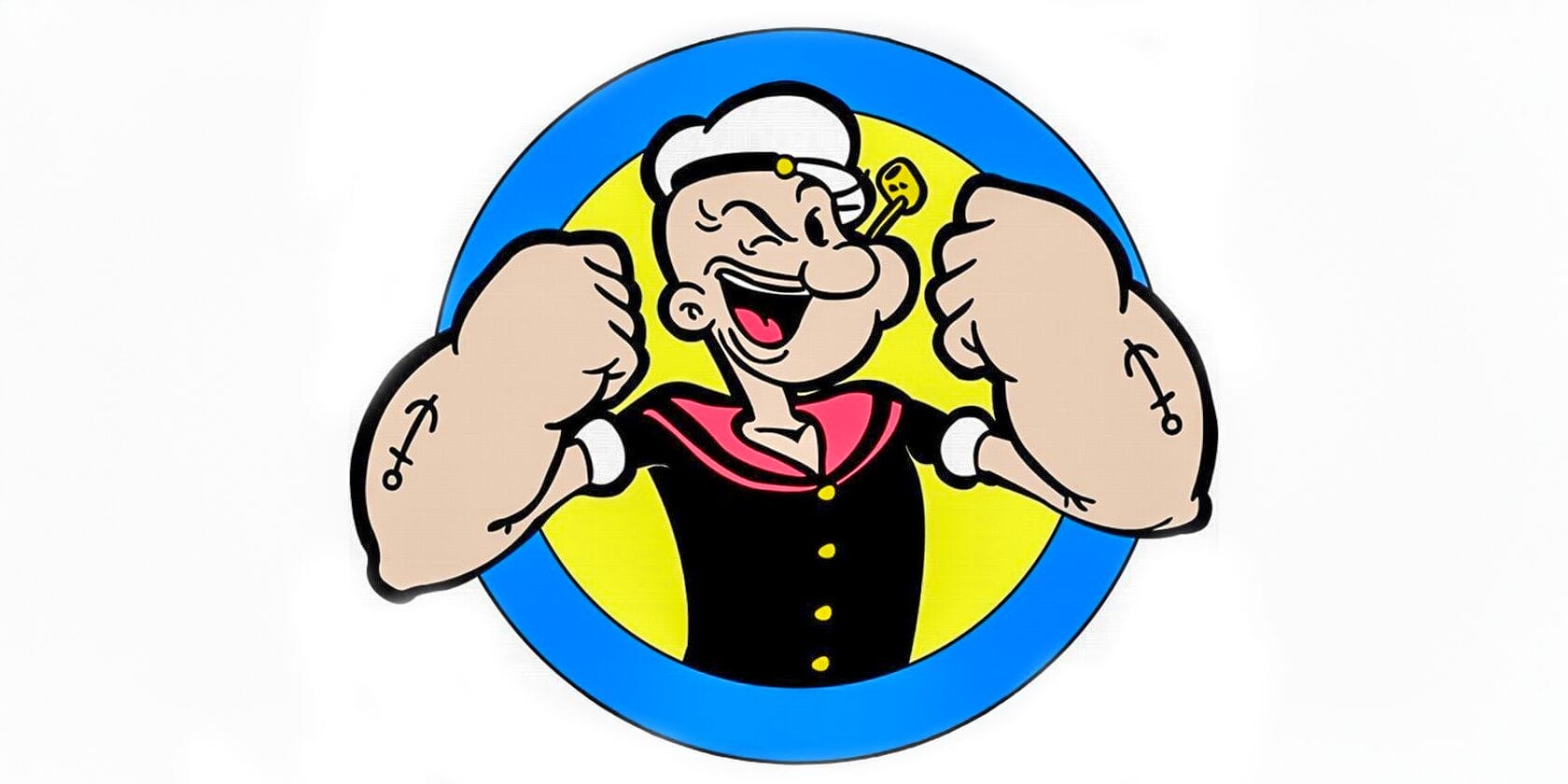
Popeye Day is observed annually on January 17 and honors one of the most recognizable characters in American popular culture. Popeye the Sailor first appeared in 1929 in the comic strip Thimble Theatre, created by Elzie Crisler Segar. Although the strip existed before Popeye, the character quickly became its breakout figure, shifting the series’ identity and public attention.
Popeye’s emergence occurred during a transitional era in American media, when mass entertainment was rapidly expanding through newspapers, radio, and early animation. Comic strips served as daily cultural touchpoints, shaping public humor and storytelling. Popeye fit the moment: he was rough-edged, working-class, and absurdly resilient, embodying an anti-glamour hero at a time when many Americans were navigating economic hardship and social uncertainty.
The character’s popularity accelerated through animation. Beginning in the early 1930s, Popeye cartoons reached wide audiences in theaters and later through television, strengthening the character’s presence across generations. The spinach element, which became central to Popeye’s identity, aligned with public interest in nutrition and strength, even when later interpretations exaggerated the scientific basis. Over time, Popeye became both a character and a cultural shorthand for sudden power, perseverance, and stubborn integrity.
Popeye Day functions less as a commemorative holiday tied to a single historical event and more as a cultural observance recognizing how fictional characters can shape social imagination and shared memory.
Popeye’s cultural significance lies in the kind of hero he represents. He is not refined, privileged, or outwardly admirable by conventional standards. His speech is rough, his behavior is unpredictable, and his morality is practical rather than philosophical. Yet he is often depicted as fiercely loyal, protective of the vulnerable, and unwilling to accept humiliation without resistance. This combination made Popeye a compelling figure in a society where heroism was often portrayed as polished and elite.
The character also reflects changing ideas about masculinity and strength. Popeye’s power does not come from wealth, status, or birthright. It arrives through grit and a comically literal source of fuel, spinach. The exaggerated transformation operates as satire, but it also communicates a cultural message about resilience. Strength is presented as something activated under pressure rather than permanently possessed.
Popeye Day also invites reflection on how media shapes public values. Characters like Popeye can normalize certain behaviors, both positive and problematic, because they operate as repeated cultural signals. Popeye’s stubbornness can read as perseverance, but it can also model impulsive conflict resolution. His older depictions, like many early twentieth-century works, may include elements that modern audiences reevaluate critically. Observing Popeye Day can involve acknowledging both the character’s influence and the ways cultural products carry the assumptions of their era.
As an enduring icon, Popeye illustrates how a fictional figure can become a shared language for ideas about toughness, humor, and survival.
Popeye Day remains relevant because it highlights the longevity of character-driven storytelling in shaping cultural identity. In a media environment saturated with rapid content cycles, Popeye’s endurance is notable. His survival across print, animation, merchandising, and nostalgia shows how certain archetypes retain power even as tastes shift.
The day also creates an opening to examine how entertainment influences behavior and belief. Popeye’s association with spinach has often been credited with increasing vegetable consumption among children, whether or not the historical magnitude of that effect is easy to quantify. The broader truth remains that stories can change habits by attaching meaning to everyday choices.
Popeye Day can also function as a moment to explore media history. Understanding Popeye’s origins places the character within the evolution of American comics, animation, and mass marketing. It reminds audiences that modern media forms were built through decades of experimentation, adaptation, and audience participation.
Popeye Day matters because it connects humor to history. It recognizes that popular culture is not separate from cultural memory, but one of the primary ways societies remember what they valued, feared, admired, and laughed at.