Pork Rind Appreciation Day
February 8, 2026

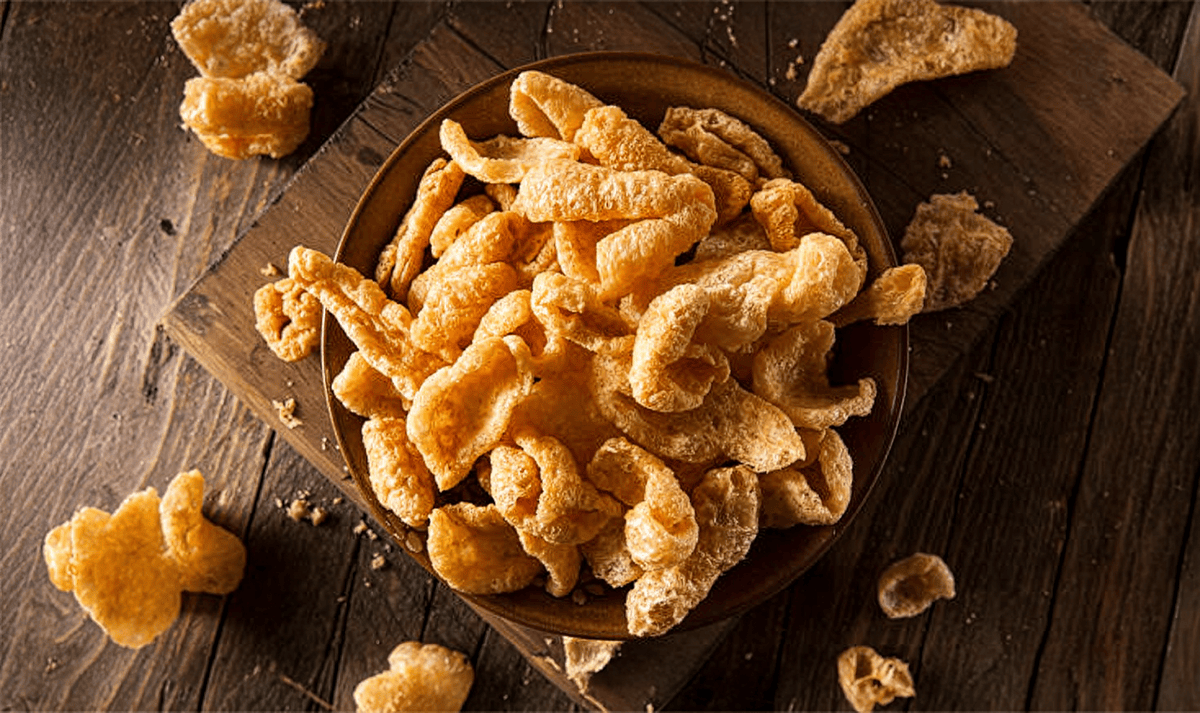
Pork Rind Appreciation Day is observed annually in early February and centers on a food that reflects long-standing practices of resourcefulness, preservation, and whole-animal use. Pork rinds, also known as chicharrones in many cultures, originated not as a snack food but as a practical byproduct of meat preparation.
The practice of rendering pork fat and frying pork skin dates back centuries, appearing wherever pigs were raised for food. In agrarian societies, hog slaughter was an infrequent but significant event, often occurring seasonally. Every part of the animal was utilized, both out of necessity and respect for the labor involved in raising livestock.
Pork skin, when separated from fat and cooked at high heat, transforms into a crisp, shelf-stable food. This transformation was valued because it reduced waste and extended the usefulness of the animal. In many regions, pork rinds were consumed immediately after frying or stored for later use, offering protein and calories during times when fresh meat was unavailable.
As culinary traditions evolved, pork rinds became embedded in regional food cultures. In Latin America, Spain, the American South, and parts of Asia, variations of fried pork skin developed independently, shaped by local seasoning, technique, and context.
Pork Rind Appreciation Day reflects this shared global history, recognizing pork rinds not as novelty snacks but as foods rooted in survival, economy, and tradition.
Pork rinds carry cultural significance because they embody the principle of using the whole animal. This principle predates modern sustainability language and emerged from lived experience. Waste was not an option, and ingenuity transformed byproducts into valued foods.
In many cultures, pork rinds occupy a dual role. They can function as everyday sustenance or celebratory food, depending on preparation and context. Chicharrones are served alongside meals, incorporated into stews, or eaten as snacks, often seasoned according to regional taste.
In the United States, pork rinds became particularly associated with rural communities and later with packaged snack culture. Their commercial production expanded during the twentieth century, when industrial processing allowed pork skins to be fried, dried, and distributed widely.
This transition from homemade preparation to mass production altered perception. Pork rinds became framed as indulgent snacks rather than practical food, even though their origins were rooted in thrift and necessity.
Pork Rind Appreciation Day highlights how food meaning shifts over time. What begins as survival food can become comfort food, and later, cultural artifact.
Pork Rind Appreciation Day remains relevant because it invites reconsideration of food values. In a modern context where food waste and sustainability are growing concerns, pork rinds represent an older model of efficiency and respect for resources.
The observance also provides insight into how taste preferences evolve. Pork rinds challenge assumptions about texture and flavor, emphasizing crispness and savoriness rather than sweetness.
In contemporary food culture, pork rinds have experienced renewed interest through reinterpretation. Chefs and home cooks revisit traditional preparations, sometimes pairing them with modern techniques while retaining their fundamental identity.
Pork Rind Appreciation Day underscores the idea that cultural foods persist because they adapt. Pork rinds endure not because they are trendy, but because they remain connected to memory, tradition, and practicality.
The day matters because it honors a food that reflects resilience, ingenuity, and the long human practice of finding value in what might otherwise be discarded.
