Presidents Day
February 21, 2028

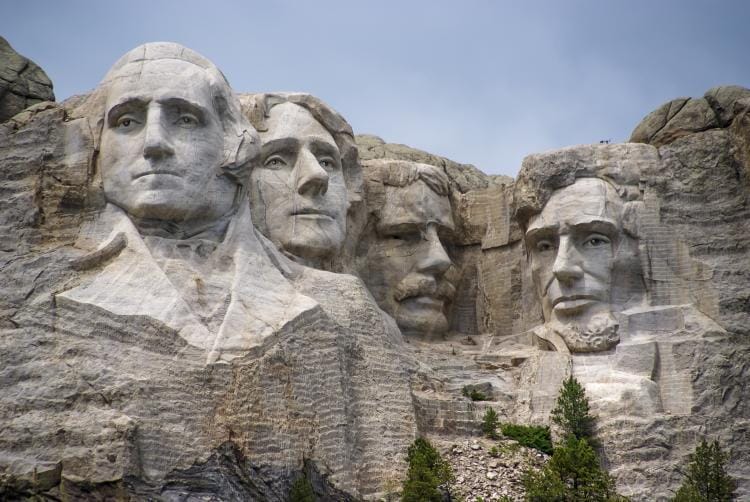
Commonly known as Presidents Day, the federal holiday officially named Washington’s Birthday honors the first president of the United States while increasingly serving as a celebration of all who have held the office. National observances for George Washington began as early as the 18th century, with public ceremonies commemorating his leadership and character. In 1885, Congress declared February 22 a federal holiday for federal employees, recognizing Washington as a unifying figure whose legacy transcended regional and political divides.
Over time, the holiday expanded informally to include Abraham Lincoln, whose February 12 birthday was widely celebrated in many states. By the mid-20th century, Americans were already associating February with the achievements of both Washington and Lincoln, two leaders whose presidencies shaped the nation’s founding and its survival during the Civil War.
In 1971, the Uniform Monday Holiday Act moved several federal holidays to Mondays to create predictable long weekends. Washington’s Birthday became observed on the third Monday in February, a date that always falls between Washington and Lincoln’s birthdays but never on either birthday itself. Although the name remained “Washington’s Birthday” in federal law, popular usage of “Presidents Day” spread rapidly, reflecting the idea of honoring multiple presidents or the presidency as an institution.
States now recognize the day under various names, honoring different combinations of leaders. Some focus on Washington and Lincoln; others broaden the scope to include additional presidents or the office itself. Retailers embraced the “Presidents Day” label for sales events, further embedding the name into mainstream culture.
Across the country, historical societies host reenactments at Mount Vernon or tours of log cabins that evoke early presidential histories. Students learn about Washington’s leadership during the Revolutionary War, his warnings against factionalism and foreign entanglements, and Lincoln’s determination to preserve the Union. They also explore the contributions of lesser-known presidents whose policies shaped economics, diplomacy, and social progress. Meanwhile, the federal government observes the day with the traditional laying of a wreath at Washington’s tomb.
Presidents Day invites citizens to reflect on the evolving nature of leadership and the complexities of governing a diverse nation. It is an opportunity to study presidential successes and failures — from Franklin Roosevelt’s sweeping New Deal programs to the civil rights legislation signed by Lyndon Johnson. The day underscores that the presidency is both a powerful institution and a mirror of the people’s hopes, challenges, and expectations. Whether browsing a bookstore’s display of biographies or engaging in classroom discussions about democracy, Presidents Day reminds us that understanding our leaders helps us better understand ourselves.

