Rattlesnake Roundup Day
January 28, 2026

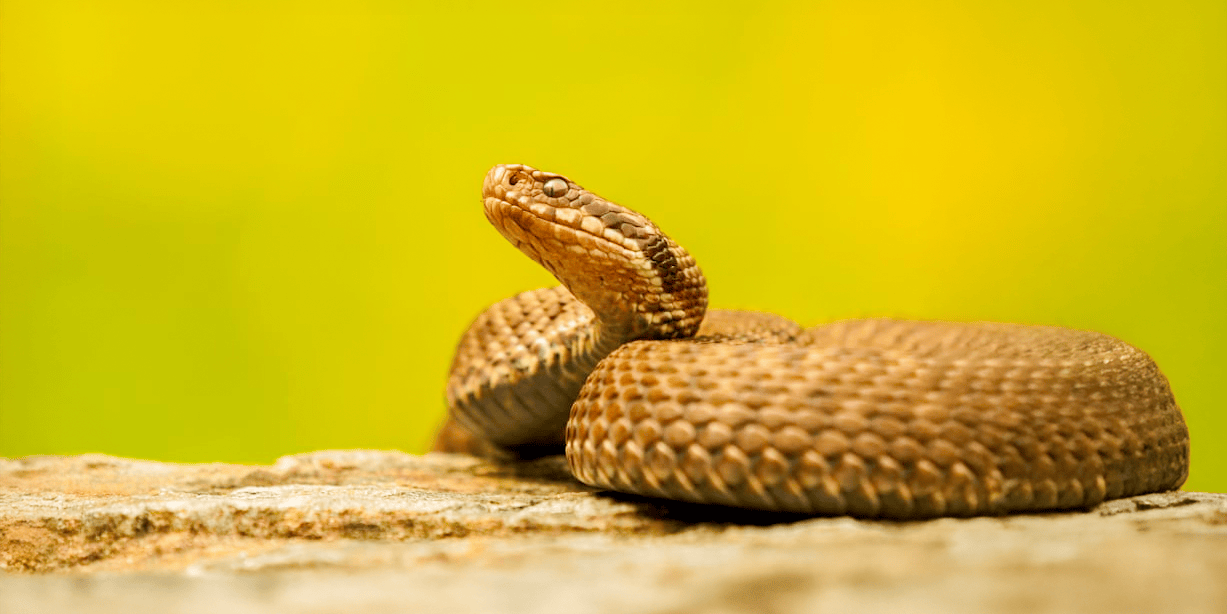
Rattlesnake Roundup Day refers broadly to observances and events historically held in various parts of the United States, particularly in the Southwest and Southern Plains, where rattlesnakes are native. These events emerged during the mid twentieth century as community gatherings intended to address public fear of venomous snakes and reduce perceived threats to livestock and human safety.
Early rattlesnake roundups were often framed as pest control efforts. Participants captured or killed snakes, sometimes offering bounties or prizes. These events reflected limited ecological understanding of snakes at the time and a prevailing belief that eliminating predators improved safety and land use.
As wildlife science advanced, conservationists began to challenge the assumptions underlying roundups. Research demonstrated that rattlesnakes play important roles in controlling rodent populations and maintaining ecological balance. Over time, criticism of lethal roundups increased, leading some communities to modify or discontinue traditional practices.
Rattlesnake Roundup Day thus represents a historical moment shaped by fear, frontier culture, and evolving environmental awareness rather than a single fixed holiday.
Rattlesnakes occupy a complex cultural position. In many regions they symbolize danger and unpredictability, reinforced by folklore and media portrayals. These perceptions have historically justified eradication efforts despite limited evidence that snakes pose widespread risk when left undisturbed.
Ecologically, rattlesnakes are critical predators. By regulating rodent populations, they help reduce crop damage and limit the spread of diseases carried by small mammals. Their presence contributes to balanced ecosystems, particularly in arid and grassland environments.
Rattlesnake Roundup Day highlights the tension between cultural fear and scientific understanding. As knowledge increased, many communities shifted toward educational events that emphasize coexistence, snake handling safety, and conservation rather than killing.
The observance reflects how cultural practices evolve alongside environmental ethics and scientific literacy.
Rattlesnake Roundup Day remains relevant as a lens through which to examine changing attitudes toward wildlife. It illustrates how fear-based practices can give way to evidence-based management and ethical reconsideration.
Modern discussions surrounding roundups often focus on education, habitat preservation, and public safety strategies that do not rely on population destruction. These approaches reduce human-snake conflict while maintaining ecological integrity.
The observance also prompts reflection on how communities respond to misunderstood species. Rattlesnakes serve as a case study in how perception shapes policy and behavior.
Rattlesnake Roundup Day matters because it captures a broader cultural transition from control to coexistence, reminding society that understanding often leads to more sustainable solutions.