Real Bread Week
February 21, 2026

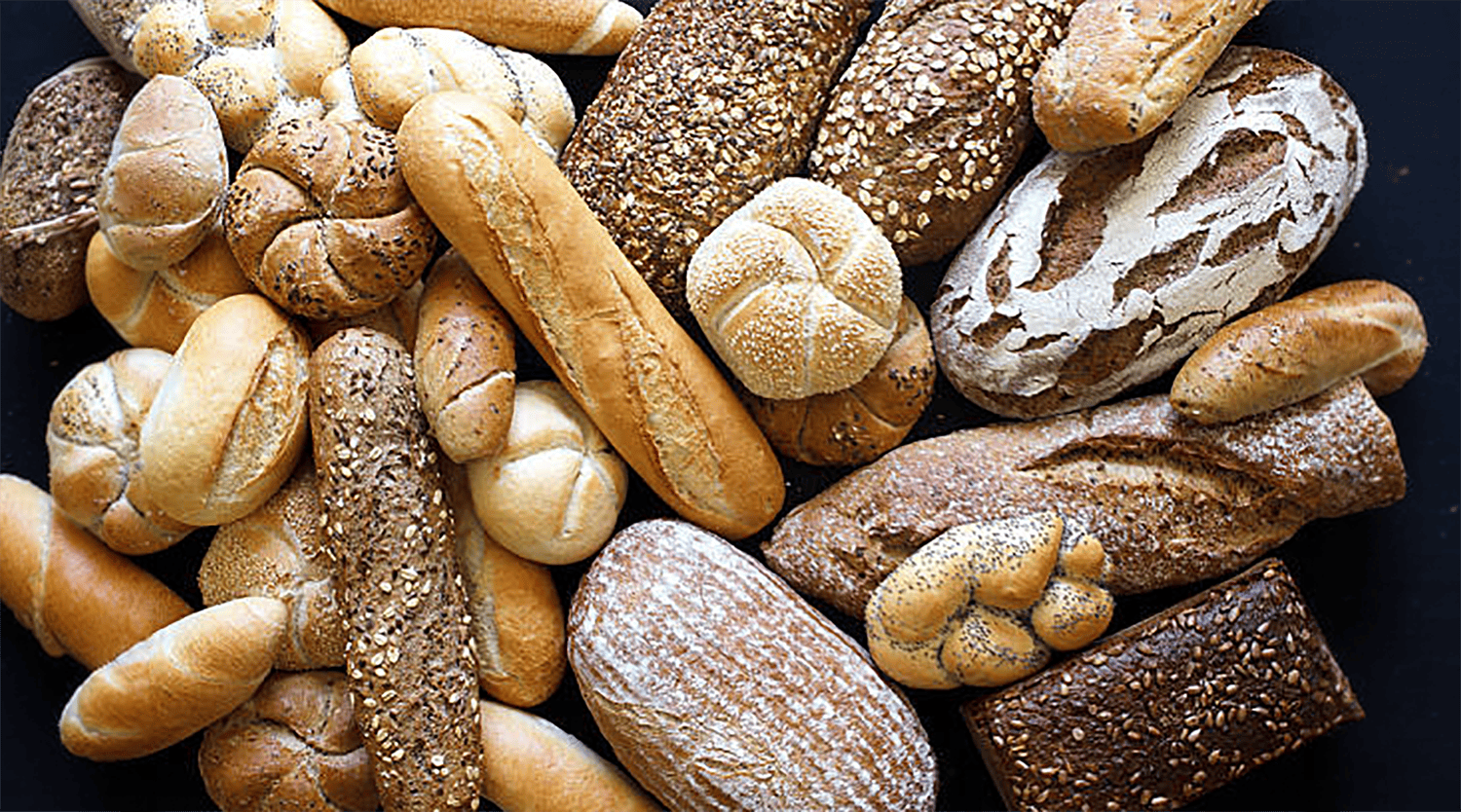
Real Bread Week is observed annually in February and promotes awareness of traditionally made bread prepared without artificial additives or unnecessary processing aids. The observance originated in the United Kingdom as part of a broader movement advocating for transparency in bread production.
Bread is one of the oldest prepared foods, with evidence of leavened and unleavened loaves dating back thousands of years. Traditional bread relied on flour, water, salt, and time. Fermentation, particularly sourdough methods, allowed for natural leavening and flavor development.
Industrialization in the twentieth century transformed bread production. Mechanized mixing, accelerated fermentation, and chemical additives increased efficiency but altered texture and flavor. These shifts sparked concern among bakers and consumers who valued traditional methods.
Real Bread Week emerged as a response to these changes, encouraging education about ingredient transparency and craft baking.
Real Bread Week reflects an effort to reconnect modern consumers with historical bread-making practices.
Real bread holds cultural significance because it emphasizes process over speed. Traditional fermentation requires time, reinforcing values of patience and craftsmanship.
Across cultures, bread symbolizes sustenance and community. Shared loaves often mark social and religious rituals.
The real bread movement also highlights how ingredient awareness shapes public trust in food systems.
Real Bread Week underscores the connection between technique, transparency, and cultural continuity.
Real Bread Week remains relevant as interest grows in artisan baking and whole foods.
The observance encourages consumers to examine ingredient lists and production methods.
In an industrial food landscape, real bread represents intentional craft.
Real Bread Week matters because it honors a food tradition built on simplicity, time, and shared nourishment.