Roe vs. Wade Day
January 22, 2029

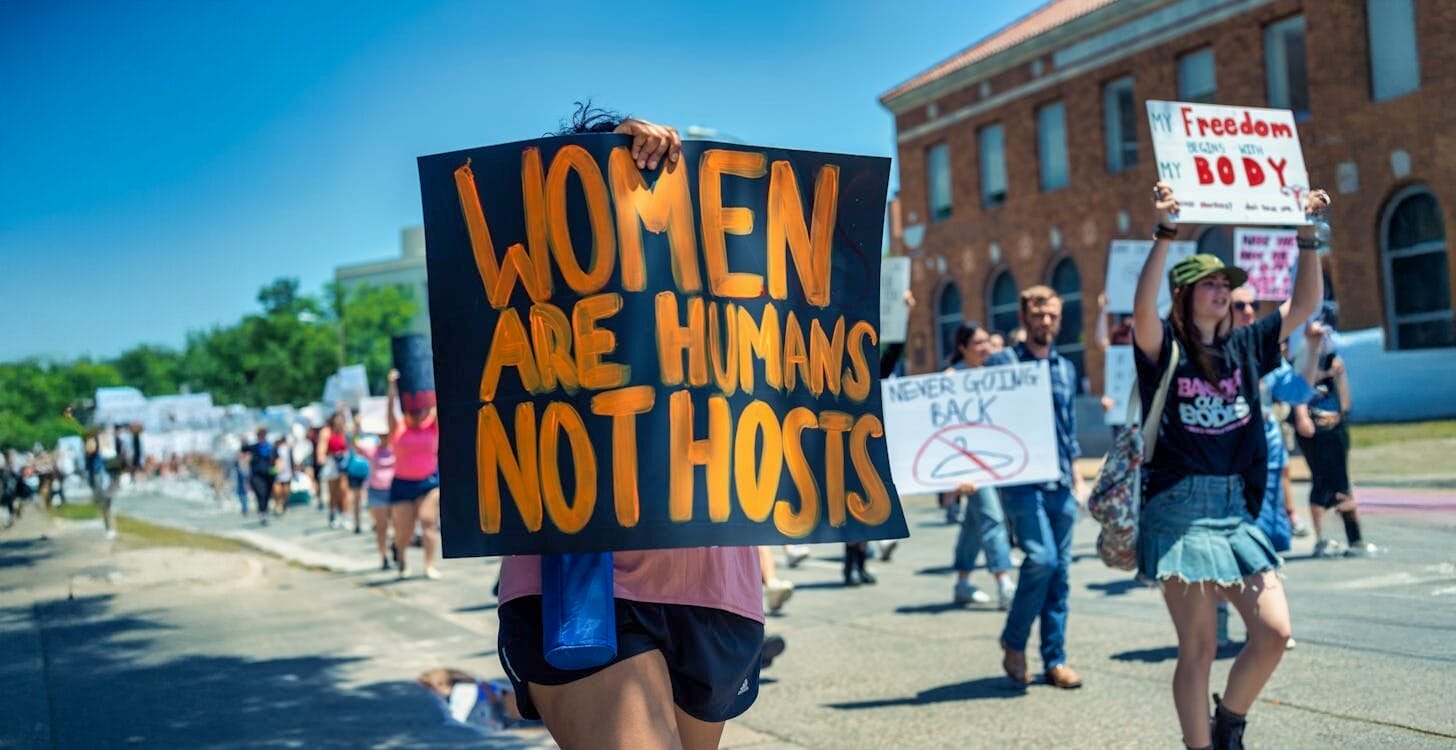
Roe vs. Wade Day is observed annually in January to mark the anniversary of the 1973 United States Supreme Court decision Roe v. Wade. The ruling addressed the constitutional right to privacy as it related to abortion, reshaping American legal, political, and social discourse for decades.
The case arose from challenges to state laws that criminalized or severely restricted abortion. The Supreme Court’s decision established a framework that balanced individual rights with state interests, situating reproductive choice within constitutional interpretation. The ruling did not end debate but instead intensified national discussion.
Roe vs. Wade Day developed as an observance to recognize the case’s historical significance rather than to resolve ongoing disagreement. It functions as a marker of a legal moment that profoundly influenced public policy and civic engagement.
The observance situates the case within the broader history of constitutional law and civil rights.
Roe v. Wade shaped how reproductive health, privacy, and bodily autonomy were discussed in American law and society. It influenced subsequent court decisions, legislation, and political organizing across the ideological spectrum.
The ruling also contributed to sustained civic engagement, becoming a focal point for advocacy, protest, and public education. Roe vs. Wade Day reflects how legal decisions can mobilize long-term social movements.
Culturally, the case became a reference point in discussions about the role of courts, federal authority, and individual rights. Its legacy demonstrates how judicial decisions extend beyond the courtroom into everyday life.
The observance emphasizes understanding historical impact rather than endorsing a single viewpoint.
Roe vs. Wade Day remains relevant as reproductive rights continue to evolve through legal, political, and medical developments. The case’s legacy informs contemporary debates about constitutional interpretation and governance.
The observance encourages historical literacy, recognizing that present conditions are shaped by prior legal frameworks and civic action.
It also underscores the importance of legal precedent in shaping social norms and policy direction.
The day matters because understanding legal history is essential to engaging responsibly with ongoing democratic processes.