Seeing-Eye Guide Dog Anniversary
January 29, 2027

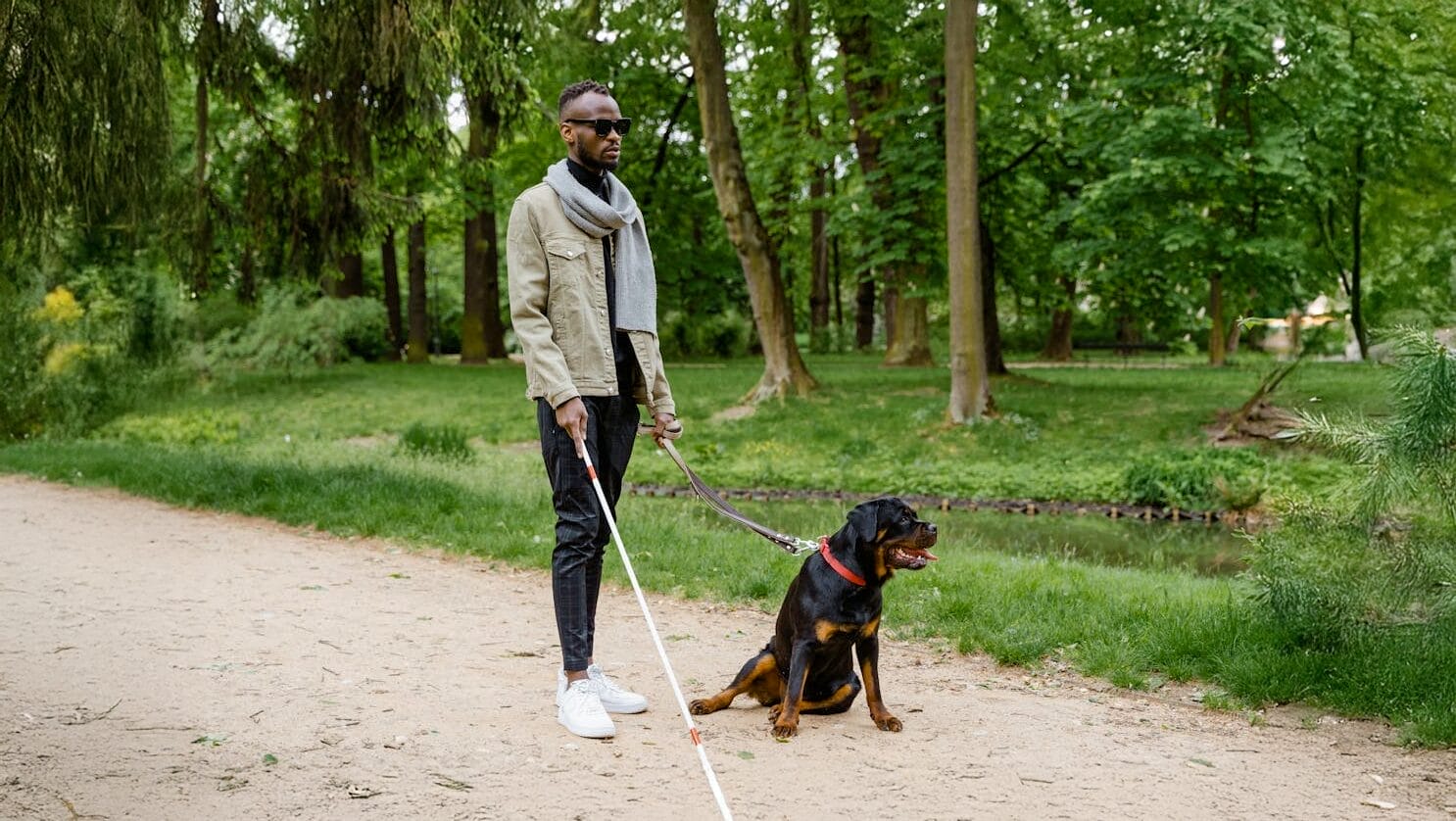
The Seeing-Eye Guide Dog Anniversary commemorates the founding of The Seeing Eye, the first guide dog training school in the United States, established in 1929. The organization was created to provide mobility and independence to people who are blind or visually impaired, drawing inspiration from guide dog programs developed in Europe after World War I.
Before guide dogs were widely introduced, individuals with visual impairments relied primarily on canes, human assistance, or limited mobility. The introduction of trained guide dogs represented a significant shift, offering both practical navigation and companionship.
The Seeing Eye formalized training standards, handler education, and ethical care practices that would influence guide dog programs worldwide. Its establishment marked the beginning of widespread acceptance of working dogs as partners rather than tools.
The anniversary recognizes this institutional milestone rather than a single cultural tradition.
Guide dogs transformed societal perceptions of disability and independence. By enabling individuals to travel safely and confidently, they challenged assumptions about limitation and dependence.
The partnership between a guide dog and handler is built on trust, communication, and mutual reliance. Ethical guide dog programs emphasize animal welfare, proper training, and lifelong care, recognizing that working dogs are sentient partners.
The Seeing-Eye Guide Dog Anniversary also highlights broader disability rights movements. Mobility access is a civil issue, and guide dogs remain essential tools for navigating public spaces designed primarily for sighted individuals.
The observance underscores the importance of inclusive design, accommodation, and respect for working animals.
The Seeing-Eye Guide Dog Anniversary remains relevant as accessibility continues to evolve. Advances in technology have supplemented mobility tools, but guide dogs remain irreplaceable for many individuals.
The observance provides an opportunity to educate the public about appropriate behavior around working dogs and the legal protections that allow them access to public spaces.
It also reinforces the importance of sustaining ethical training programs through funding, advocacy, and awareness.
The anniversary matters because it honors a partnership that embodies dignity, independence, and shared responsibility between humans and animals.