Sesame Street Day
November 10, 2025

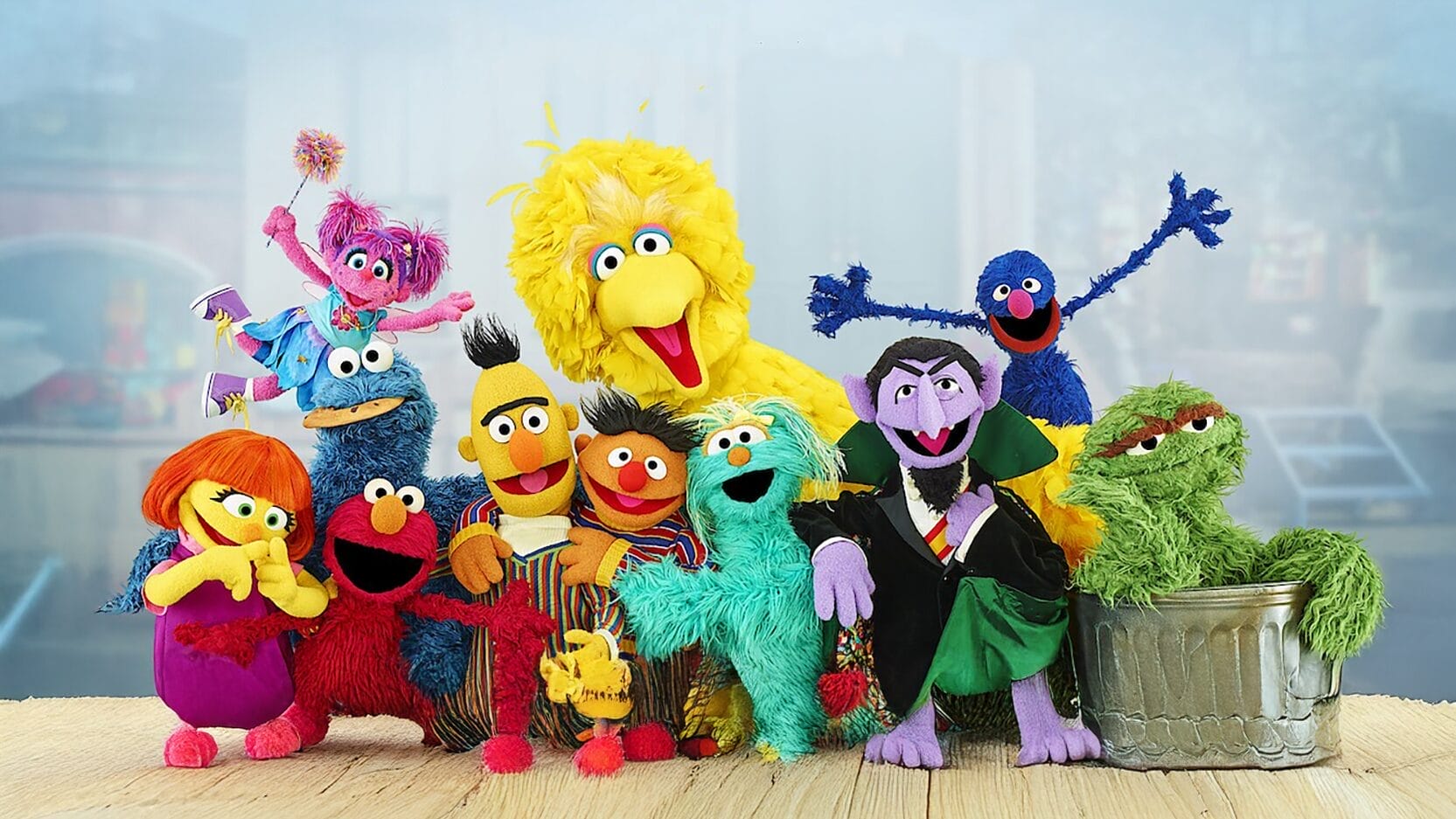
For generations of children, the opening notes of “Sunny Days” and the sight of Big Bird wandering down a friendly urban street have meant learning wrapped in warmth. Sesame Street Day, celebrated on November 10, marks the anniversary of the groundbreaking television show that premiered in 1969. The series was the brainchild of producer Joan Ganz Cooney and psychologist Lloyd Morrisett, who wondered whether television could educate as well as entertain. The result was a colorful neighborhood inhabited by humans, Muppets and magical creatures all working together to teach numbers, letters and social skills. Today, Sesame Street is broadcast in more than 150 countries, proving that kindness and curiosity are universal languages.
When Sesame Street debuted on November 10, 1969, nothing like it had ever aired. Meticulous research and collaboration with educators and child psychologists informed every segment. Characters like the lovable Cookie Monster, the gentle giant Big Bird and the grumpy yet endearing Oscar the Grouch captured children’s imaginations while modeling behaviors such as sharing, empathy and resilience. The show broke ground by addressing topics like race, disability and grief in age‑appropriate ways. Over the years, it introduced new characters to reflect diverse cultures and experiences, including Julia, a Muppet with autism, and Karli, a foster child.
From its start, Sesame Street has been a global endeavor. International versions adapt the core curriculum to local languages and customs while retaining the show’s heart. In South Africa, the show introduced Kami, an HIV‑positive Muppet, to destigmatize illness. In Afghanistan, Zari encourages girls’ education. Beyond the screen, the show’s characters appear in books, live performances and public service campaigns. The program has won more than a hundred Emmy Awards and continues to set the standard for educational media. Its songs, from “Rubber Duckie” to “Elmo’s World,” are part of cultural memory.
Sesame Street has embraced change while staying true to its mission. In the 1990s, it created short‑form segments like “Elmo’s World” to suit shorter attention spans. It has tackled topics like environmental stewardship, racial justice and even parental incarceration. The show moved to HBO Max in 2015, ensuring financial stability while still offering episodes on public television. During the COVID‑19 pandemic, Sesame Street produced specials that addressed children’s fears and taught hygiene practices. Its adaptability demonstrates the importance of meeting children where they are without losing sight of foundational values.
Ask almost anyone about their favorite Sesame Street moment and you’ll be treated to a smile and a story. Perhaps you learned to count with the Count, discovered the alphabet with the help of the gang, or found comfort in Mister Rogers’ visits. Parents and grandparents now watch the show with the next generation, sharing nostalgia and building new memories. The enduring appeal lies in its gentle humor, inclusive casting and steadfast belief that children deserve respect and honesty. Sesame Street Day is a chance to honor these intimate family moments.
As we celebrate Sesame Street Day, we remember that education doesn’t need to be heavy to be meaningful. Laughter, music and love can teach just as effectively as chalk and textbooks. In a world that sometimes feels divided, Sesame Street shows us what community looks like: neighbors who care, kids who are curious, and adults who never stop learning. Let’s keep those lessons alive in our own streets and homes.