Soup it Forward Day
March 3, 2026

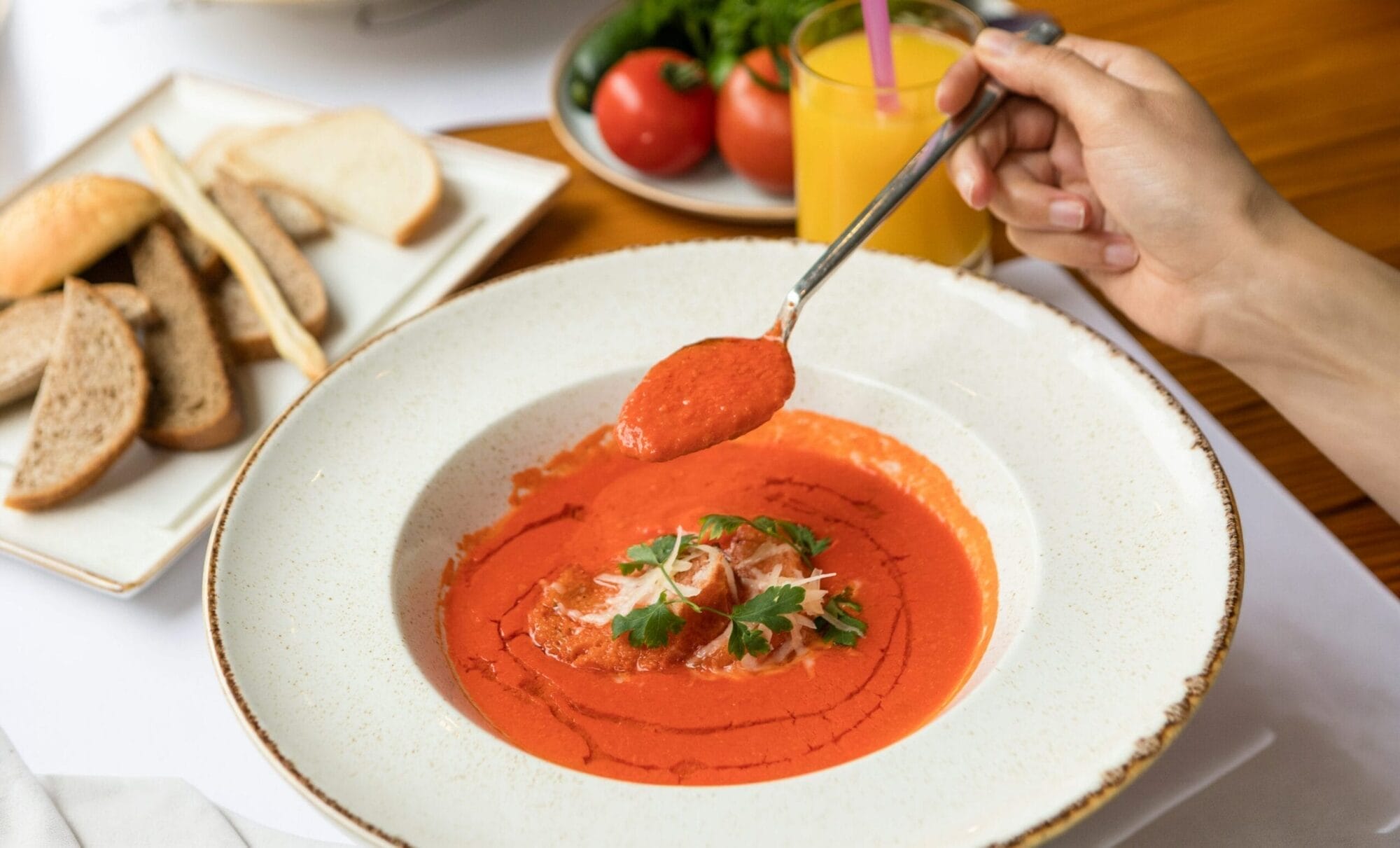
Soup It Forward Day is observed in March and celebrates soup as one of the most practical and culturally universal meal formats. Soup It Forward Day highlights a food that can be humble or luxurious, but almost always serves the same function: convert ingredients into warmth, hydration, and nourishment that can be shared easily. The phrase “it forward” frames soup as a social tool, a way communities care for each other through a food that scales, travels, and reheats well.
Soup is older than many foods people think of as traditional because it is fundamentally a method, not a recipe. Once humans had pots capable of holding water over heat, they could extract flavor and calories from bones, grains, legumes, and vegetables. Broths and stews likely appeared in multiple regions independently because they solve the same problem: make tough foods edible, stretch scarce proteins, and build satiety from small amounts of fat and aromatics.
The ingredient microhistory that matters most for soup is stock, the liquid foundation created by simmering bones, connective tissue, vegetables, and herbs. Stock is a technology of extraction. Collagen dissolves into gelatin, turning thin water into a fuller mouthfeel. This transformation is sensory and functional, and it helped make soups central to cuisines where meat was expensive and waste was unacceptable.
Migration and trade shaped soups dramatically because soup is a flexible container for local ingredients. Noodle soups spread with grain trade and cooking techniques. Bean soups followed legume domestication and colonial crop exchange. Spices and aromatics arrived through trade routes and changed what people considered “comforting,” shifting soup profiles in different regions over centuries.
Technological inflection points changed soup from household method to industrial product. Canning expanded shelf-stable soup. Refrigeration and frozen foods expanded ready-to-heat options. Modern commercial bases, bouillon, and concentrated stocks standardized flavor, allowing households and restaurants to produce consistent soup quickly. That standardization altered both speed and taste expectations.
Soup It Forward Day reflects the full arc of soup as survival food, community food, and modern convenience food. It celebrates soup as a format that carries culture and generosity because it is built to be shared.
Soup It Forward Day highlights soup as an engine of community care. Historically, soup kitchens, communal pots, and shared broths appear in times of hardship because soup is efficient. It uses inexpensive ingredients, makes them feel substantial, and can be distributed safely when handled properly. This efficiency is not merely economic. It is social. Soup is what people make when the goal is to feed many, not impress a few.
Agriculture sits under soup in clear ways. Grain soups reflect local cereals, whether wheat, barley, rice, or corn. Legume soups reflect beans and lentils that store well and provide protein. Vegetable soups reflect seasonal harvest cycles and preservation methods. Soup It Forward Day is therefore indirectly about storage crops and the farm systems that support them.
Economic resilience is one of soup’s defining features. Soup stretches meat by using bones and secondary cuts, turning collagen and fat into flavor. It stretches vegetables by allowing small amounts of aromatics to perfume large volumes. It stretches time because soup reheats well and often tastes better after resting. These qualities matter during recessions, winter scarcity, and busy work schedules.
Sensory anthropology explains why soup feels like care. Warm liquid activates aroma strongly, and aroma drives perception of fullness and comfort. Soup also carries a particular texture logic: broth for hydration, fat for roundness, starch for body, and salt for clarity. Many cultures learned these ratios through experience, and those ratios became comfort templates passed down through families.
Regional comparisons show how soup reflects place. Coastal soups often emphasize seafood and aromatic herbs. Inland soups often emphasize beans, grains, and preserved meats. East Asian noodle soups highlight layered broths and chewy starch structures. Eastern European soups often balance sourness, root vegetables, and long simmering. The shared category is “soup,” but the identity is regional because the agricultural baseline differs.
A misconception worth correcting is that soup is always light or secondary. In many cuisines, soup is the meal. It can carry dense calories through legumes, noodles, potatoes, and fats. Soup It Forward Day is a useful reminder that soup is not an appetizer category. It is a complete food technology that can be nourishing, economical, and culturally expressive at the same time.
Ancient period: Cooking vessels enable boiling and simmering, allowing early broths and grain stews to become common in multiple regions.
Medieval era: Soup and porridge formats stabilize diets by stretching grains and legumes through seasonal scarcity.
Early modern period: Trade routes expand spice availability, transforming soup aromatics and creating new regional broth identities.
19th century: Urbanization increases demand for cheap, filling foods, strengthening soup’s role in public feeding and institutional cooking.
Late 19th to early 20th century: Canning enables shelf-stable soups and introduces industrial standardization into flavor and texture.
Mid 20th century: Refrigeration and processed bases expand home soup convenience and restaurant consistency.
21st century: Interest in scratch broths and ingredient transparency grows alongside continued reliance on ready-to-heat soup systems.
Soup It Forward Day matters today because soup remains one of the most resilient food formats in a world of rising costs and time pressure. Soup can be built from pantry staples, seasonal produce, or leftovers, making it adaptable to household budgets and fluctuating grocery availability.
Modern supply chains make year-round soup ingredients possible, but they also create vulnerabilities. When transport is disrupted or produce pricing spikes, soup recipes often shift toward stored staples like dried beans, grains, and frozen vegetables. Soup’s flexibility is a form of resilience that communities lean on without always naming it.
Sensory anthropology remains central. Soup provides warmth that is felt physically and perceived emotionally, and the aroma of simmered onions, garlic, herbs, and stock signals nourishment before the first sip. This is one reason soup is used in caregiving contexts, from family kitchens to hospitals.
Misconceptions about soup as simple can be corrected through the holiday. Soup can be technically complex, especially broths that rely on careful extraction, emulsification, and seasoning balance. Even simple soups carry hidden technique in how salt, acid, and fat are coordinated.
Economic resilience continues to be the core reason soup persists. It reduces waste, stretches proteins, and makes modest ingredients satisfying. Soup It Forward Day frames that practicality as generosity, emphasizing that the soup pot is one of the oldest and most effective tools for feeding people well.
Soup It Forward Day matters because it honors soup as both cultural memory and modern infrastructure, a food form that makes sharing easier and nourishment more dependable.

