Southern Food Heritage Day
October 11, 2025

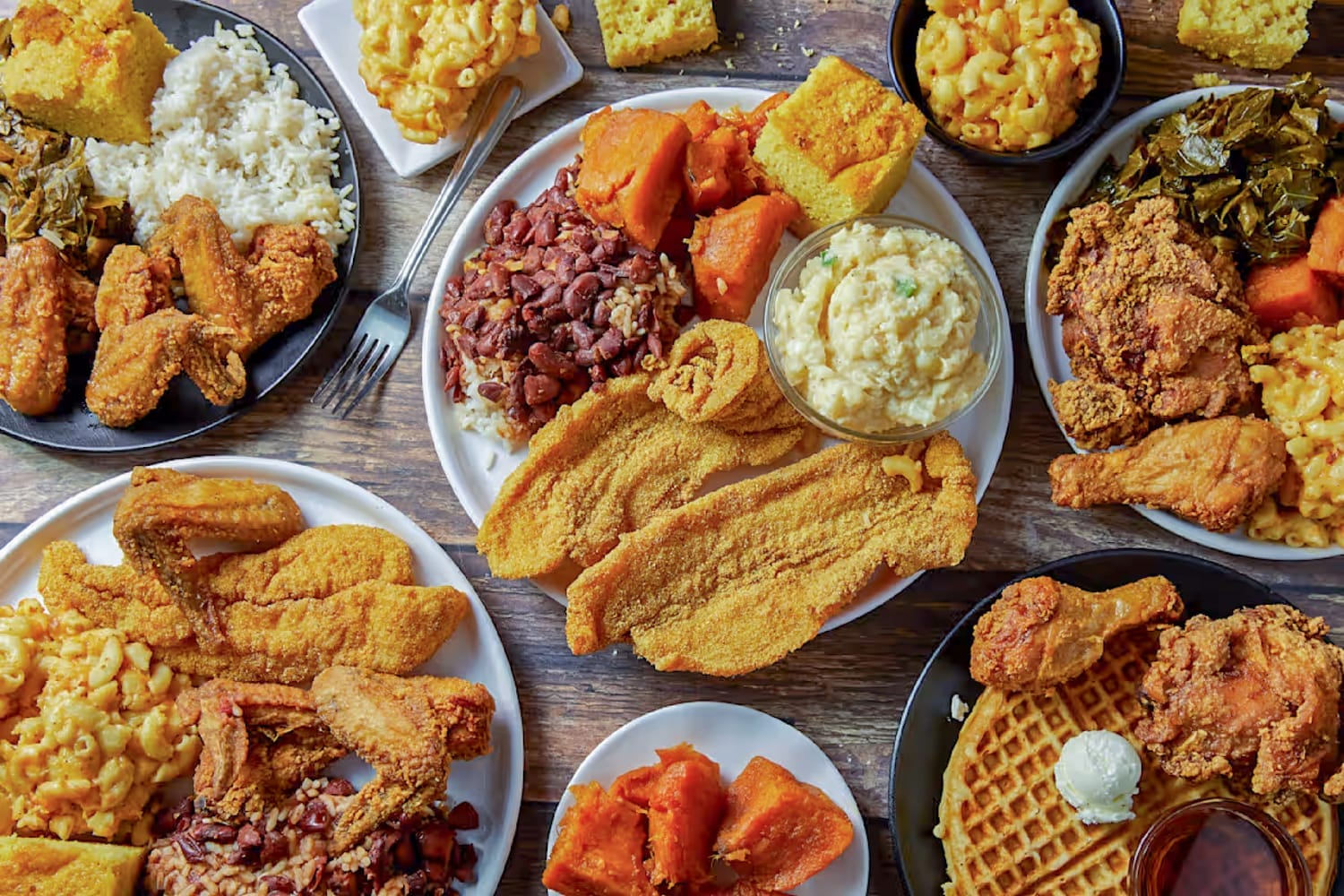
Southern Food Heritage Day celebrates the complex, multicultural traditions that gave rise to one of America’s most beloved regional cuisines. The flavors many associate with the South—cornbread, fried chicken, gumbo, collard greens, peach cobbler—are the product of centuries of blending Indigenous, African, European, and Caribbean influences. This day, established by the Southern Food and Beverage Museum, invites reflection on the history, resilience, and creativity behind Southern cooking.
Indigenous peoples cultivated corn, beans, and squash and introduced settlers to nixtamalization and the use of sassafras for filé powder. Enslaved Africans brought okra, rice cultivation expertise, black-eyed peas, and cooking methods such as deep frying. European settlers contributed livestock, dairy, wheat flour, and preservation techniques. Caribbean trade added spices, cane sugar, and tropical fruits. Over generations, these ingredients and methods fused into iconic Southern dishes—jambalaya, barbecue, biscuits and gravy, and Hoppin’ John—each reflecting the resources and communities of its region.
Every Southern dish carries history. Gumbo represents layers of cultural exchange, combining African okra, Choctaw filé powder, and French roux. Barbecue traces its lineage to Indigenous cooking over open pits and was shaped by enslaved cooks into a defining Southern art. Hoppin’ John, a dish of rice and black-eyed peas, speaks to African foodways and traditions of good fortune. Even humble cornbread embodies centuries of adaptation, shifting from Indigenous ash cakes to iron skillet breads flavored with buttermilk and bacon fat.
Southern Food Heritage Day is not only a celebration of flavor—it’s also a call to recognize the contributions of Black, Indigenous, and immigrant cooks whose work shaped American cuisine. It encourages people to explore family recipes, visit historic restaurants, and support Southern farmers and food producers who sustain traditional crops like Carolina Gold rice, sorghum, and heirloom corn. By keeping these traditions alive, we honor resilience, adaptation, and the communities that gave birth to Southern food.
Food is memory, community, and culture. Sharing a pot of gumbo, a skillet of cornbread, or a peach cobbler becomes more than a meal—it becomes a tribute to the generations who nourished the South and shaped American identity. On Southern Food Heritage Day, each dish is both sustenance and story, carrying forward the voices and traditions of the past.