Spring Begins
March 20, 2026

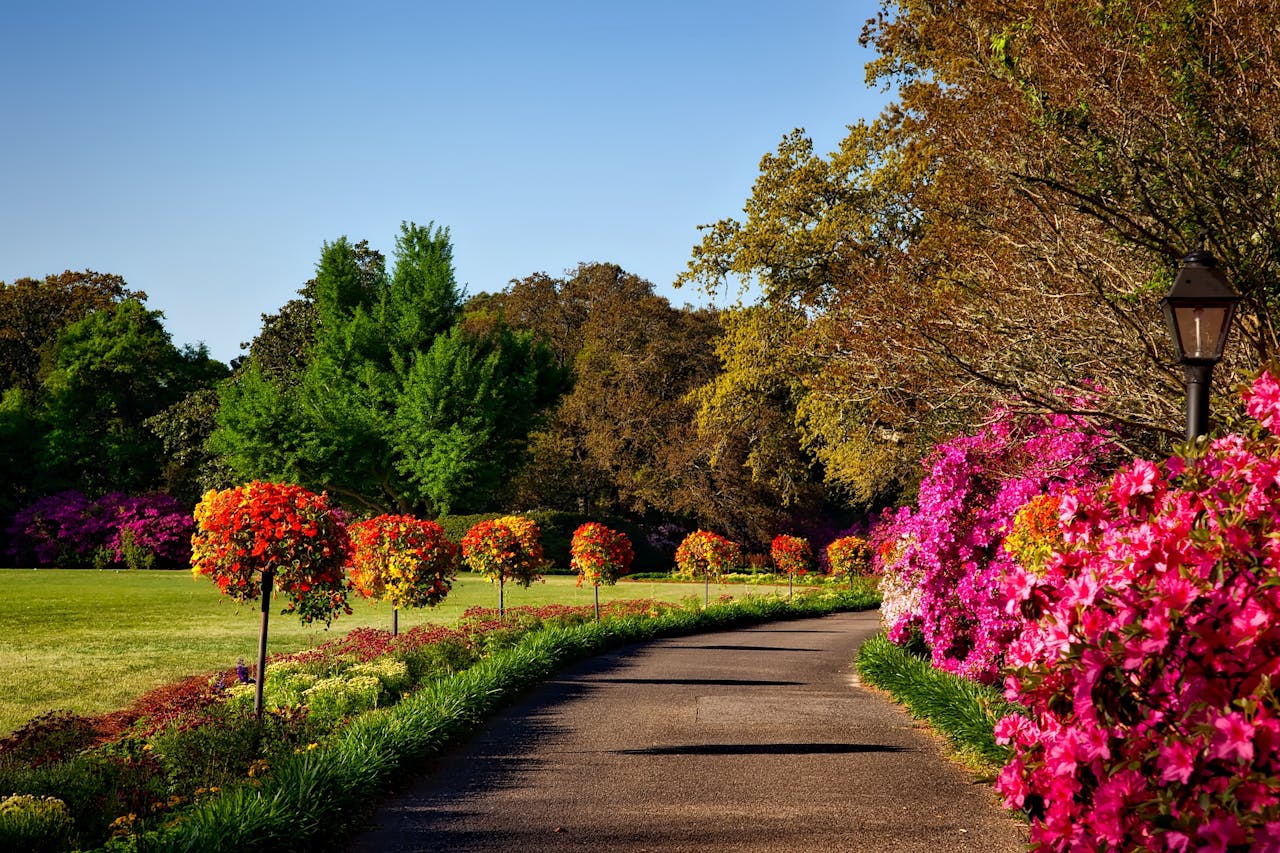
Spring Begins marks the seasonal transition when winter yields to longer daylight, rising temperatures, and renewed plant growth. In the Northern Hemisphere, spring begins at the vernal equinox, usually around March 19 through 21, when day and night are nearly equal in length. Spring Begins is not a cultural invention layered onto a random date. It is an astronomical event rooted in Earth’s axial tilt and orbital movement around the sun.
The vernal equinox occurs because Earth is tilted approximately 23.5 degrees relative to its orbital plane. As the planet moves around the sun, that tilt changes how sunlight is distributed across hemispheres. When neither hemisphere leans toward or away from the sun, day and night balance temporarily. This equilibrium signals the start of astronomical spring in the Northern Hemisphere and autumn in the Southern Hemisphere.
The ingredient microhistory relevant to Spring Begins is seed grain. Spring planting cycles have historically depended on understanding temperature shifts and soil readiness. Wheat, barley, peas, and other early crops required farmers to read seasonal signals carefully. Plant too early and frost destroys seedlings. Plant too late and yield declines. Spring has always been both promise and risk.
Migration and trade were shaped by seasonal transitions. Agricultural societies structured labor, markets, and even taxation cycles around planting and harvest seasons. Trade fairs often coincided with seasonal stability when roads became passable again after winter mud or snow. Spring Begins was therefore a logistical turning point long before it became a symbolic one.
Technological inflection points altered how societies experience spring. Modern meteorology, greenhouse agriculture, irrigation systems, and climate-controlled storage have reduced dependence on strict seasonal timing. Yet even with technology, spring still governs pollen cycles, animal breeding patterns, and crop scheduling in temperate regions.
Spring Begins reflects a planetary rhythm rather than a purely cultural observance. It signals biological, agricultural, and social recalibration tied directly to Earth’s position in space.
Spring Begins carries agricultural weight because it signals the start of planting preparation in many regions. Soil thaw, increased sunlight, and moderate temperatures create conditions for sowing seeds that cannot survive deep frost. Farmers monitor ground temperature, moisture levels, and forecasted frost risk rather than relying solely on the equinox date, but the astronomical marker remains symbolically powerful.
Culturally, spring has been associated with renewal, fertility, and rebirth across civilizations. Ancient calendars often marked the equinox as a reference point for ceremonial cycles. The balance of light and darkness provided a visual metaphor for transition and equilibrium. Even in secular societies, spring is often framed as a time for cleaning, reorganizing, and beginning projects that winter postponed.
Economically, spring activates entire industries. Agriculture ramps up labor demand. Landscaping, construction, and outdoor retail sectors expand. Tourism shifts as warmer weather opens travel routes. Spring Begins correlates with consumer behavior changes, including increased spending on home improvement and outdoor goods.
Sensory anthropology explains part of spring’s psychological impact. Increased daylight affects circadian rhythms and mood regulation. The smell of thawing soil, early blossoms, and damp air creates a distinct sensory environment that signals environmental change before visual cues fully dominate. Human bodies register spring through light exposure and temperature shifts, not just calendar awareness.
Regional comparisons reveal that Spring Begins does not feel identical everywhere. In Mediterranean climates, spring may be brief before dry heat intensifies. In northern latitudes, snow may still linger even as daylight expands. In subtropical regions, the equinox may not signal dramatic temperature change but still marks shifts in rainfall patterns or agricultural planning.
A misconception worth correcting is that the equinox guarantees equal daylight hours everywhere for a full day. Atmospheric refraction and geographic variation create slight differences. Spring Begins is a precise astronomical moment, but its lived experience varies depending on latitude, climate, and local weather systems.
Ancient civilizations: Observatories and stone alignments track solar movement to anticipate equinoxes and seasonal change.
Classical era: Agricultural calendars integrate equinox timing to structure planting and ritual cycles.
Medieval period: Religious and civil calendars reference equinox timing to calculate movable observances.
Early modern era: Advances in astronomy refine understanding of Earth’s axial tilt and orbital mechanics.
19th century: Meteorology and standardized timekeeping improve seasonal forecasting and agricultural coordination.
20th century: Industrial agriculture reduces some seasonal vulnerability through machinery and storage technology.
21st century: Climate variability alters traditional planting windows, increasing reliance on data-driven agricultural planning.
Spring Begins still matters because Earth’s axial tilt continues to govern energy distribution and biological timing. Despite technological buffers, seasonal light cycles influence ecosystems, pollination patterns, and crop viability. Farmers, gardeners, and wildlife biologists track spring onset carefully because temperature shifts alter species behavior and yield expectations.
Modern supply chains blur seasonal boundaries in grocery stores, but agriculture remains seasonal at its core. Imported produce may hide winter scarcity, yet local farming cycles still depend on frost dates and daylight length. Spring Begins marks the beginning of that recalibration period.
Sensory anthropology reinforces its importance. Increased daylight exposure affects serotonin production and sleep patterns. People often experience improved mood and energy as light expands. This physiological response helps explain why spring cleaning and new-project impulses feel natural rather than arbitrary.
Misconceptions that spring is purely symbolic overlook its ecological consequences. Tree budding, insect emergence, and migratory bird return patterns depend on precise environmental cues. A warmer or earlier spring can disrupt synchrony between species, affecting pollination and food webs.
Economic resilience also intersects with spring timing. Crop insurance, planting loans, and agricultural commodity markets respond to seasonal forecasts. A delayed or early spring can shift planting decisions and affect pricing across grain and produce markets.
Spring Begins matters because it marks the astronomical pivot that resets light, growth, and human planning. It is both a cosmic event and a practical threshold that continues to shape agriculture, economy, and everyday experience.
