Super Chicken Wing Day
February 8, 2026

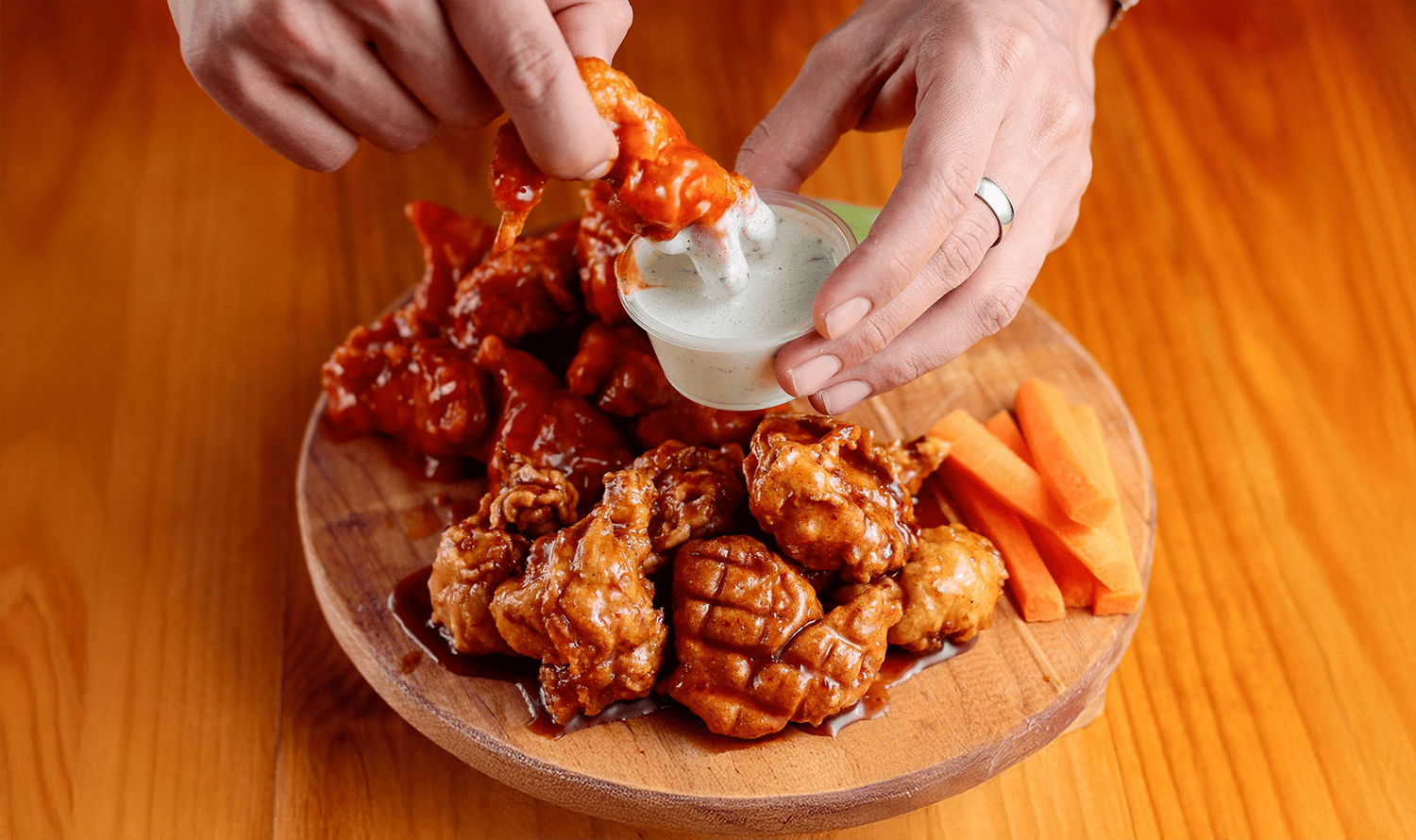
Super Chicken Wing Day is observed annually in early February and celebrates chicken wings as a staple of communal eating, particularly in connection with sporting events. Chicken wings were once a marginal cut, valued primarily for stock rather than standalone dishes.
The transformation of chicken wings into a central food item occurred in the mid twentieth century, most notably in Buffalo, New York. Restaurants began frying wings and coating them in sauce, creating a dish that was flavorful, affordable, and well suited for sharing.
As televised sports grew in popularity, chicken wings became associated with group viewing and casual gatherings. Their size and texture encouraged communal consumption.
Super Chicken Wing Day aligns with this cultural moment, recognizing wings as both food and ritual.
Chicken wings are culturally significant because they represent transformation. An overlooked ingredient became a centerpiece through creativity and context.
Wings are associated with informality, participation, and abundance. They are rarely eaten alone and are designed to be shared.
The dish also reflects regional variation, with sauces and preparation styles adapting to local preferences.
Super Chicken Wing Day highlights how communal foods anchor social experience.
Super Chicken Wing Day remains relevant because it reflects how food and social ritual intertwine. Wings are tied to memory, gathering, and shared excitement.
The observance also illustrates how culinary value can be reassigned through culture rather than cost.
In an evolving food landscape, chicken wings endure because they are adaptable and socially embedded.
The day matters because it honors a food that transformed from byproduct to cultural icon.
