World Flour Day
March 20, 2026

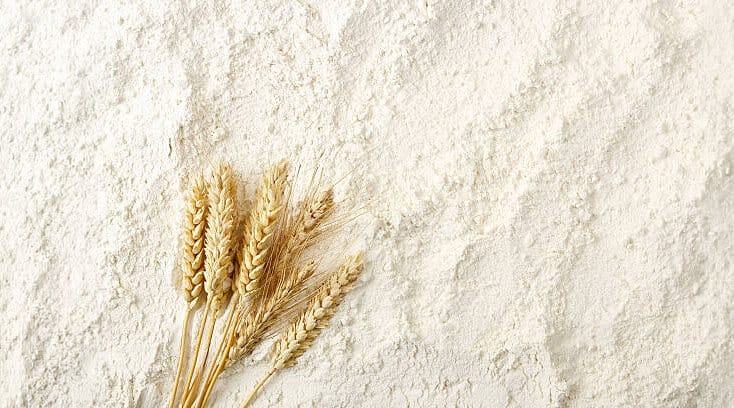
World Flour Day celebrates one of the most foundational ingredients in human food systems. World Flour Day highlights the transformation of cereal grains into fine powder that allows humans to create bread, noodles, cakes, pastries, and countless other foods that define cultures across the globe. Flour has played a central role in the development of agriculture, settlement patterns, and culinary identity for thousands of years.
The ingredient microhistory behind World Flour Day begins with early cereal cultivation. Wheat, barley, millet, and other grains were among the first domesticated crops in ancient agricultural societies. Early farmers discovered that grinding grain kernels into flour made them easier to cook and digest, allowing communities to create porridge, flatbreads, and primitive baked goods.
Grinding technology evolved alongside agriculture. Early civilizations used stone querns and hand-operated grinding stones to crush grain. These tools were labor intensive but allowed families to convert harvested grain into usable flour for daily meals. Archaeological discoveries show that flour production existed in early agricultural settlements throughout the Middle East and Mediterranean.
Migration and trade helped flour-based foods spread across continents. As agricultural knowledge expanded, wheat cultivation spread into Europe, Asia, and eventually the Americas. Each region developed distinctive flour-based dishes depending on climate, available grains, and cooking traditions.
Technological inflection points dramatically increased flour production. Water-powered and wind-powered mills introduced during the medieval period allowed grain to be processed in far larger quantities. These mills helped transform flour from a household product into a community commodity.
World Flour Day reflects how grain agriculture, milling technology, and culinary creativity combined to shape many of the foods people rely on today.
World Flour Day highlights flour as a cornerstone of global food systems. Wheat alone provides a major portion of daily calories for billions of people worldwide. Other grains such as rice, corn, rye, and sorghum are also ground into flour and used in regional cuisines.
Agriculturally, flour production begins with grain cultivation. Wheat farming requires specific soil conditions and climate patterns. Grain harvests must be carefully stored to prevent spoilage before milling begins. This agricultural infrastructure supports one of the largest food supply chains in the world.
Sensory anthropology explains why flour-based foods dominate so many cuisines. Flour allows cooks to manipulate texture through kneading, fermentation, and baking. Dough can be transformed into soft breads, crispy pastries, chewy noodles, or delicate cakes.
Regional comparisons reveal how flour adapts to local cultures. European cuisines emphasize wheat bread and pastries. Asian cuisines often use wheat flour for noodles or rice flour for dumplings and cakes. Latin American cooking frequently incorporates corn flour into tortillas and other staple foods.
A common misconception is that flour refers exclusively to wheat flour. In reality, many grains and seeds can be ground into flour, including almonds, chickpeas, rice, and cassava.
Economic resilience appears in flour’s versatility. Flour can be stored for long periods, transported easily, and used in countless recipes, making it a reliable ingredient across economic conditions.
Ancient era: Early agricultural societies grind grains using stone tools to create coarse flour.
Classical civilizations: Water-powered mills appear in parts of Europe and the Middle East.
Medieval period: Windmills expand flour production in grain-growing regions.
18th and 19th centuries: Industrial roller mills increase efficiency and produce finer flour.
Early 20th century: Commercial flour milling becomes a major global industry.
Late 20th century: Specialty flours such as whole grain and alternative grain flours gain popularity.
21st century: Interest grows in heritage grains and small-scale milling techniques.
World Flour Day matters today because flour remains central to feeding global populations. From bread to noodles, flour-based foods provide nourishment and culinary identity in nearly every culture.
Modern supply chains ensure flour remains widely available, though climate variability and agricultural challenges continue to influence grain harvests.
Sensory anthropology reinforces flour’s enduring importance through the textures it enables, from crusty bread to delicate pastries.
Misconceptions about flour as a simple ingredient overlook the complex agricultural and industrial systems required to produce it.
Economic resilience remains strong because flour serves as the foundation for countless affordable foods.
World Flour Day matters because it recognizes the agricultural heritage, milling innovation, and culinary traditions that make flour one of humanity’s most essential ingredients.
