Human Rights Day
December 10, 2029

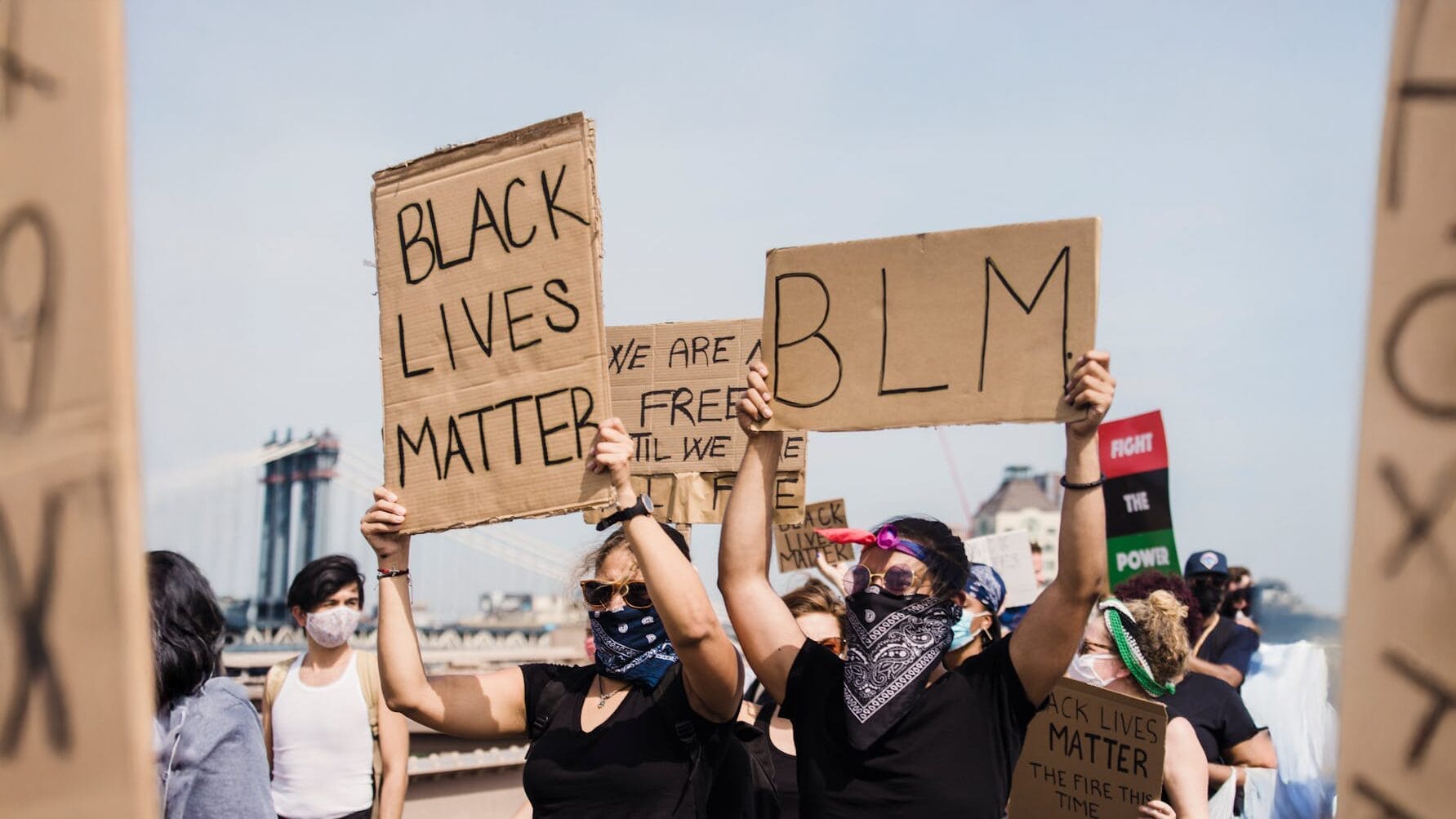
Human Rights Day, observed each year on December 10, marks the anniversary of the adoption of the Universal Declaration of Human Rights (UDHR) in 1948. Drafted in the aftermath of World War II, the UDHR became the first global statement to affirm that every person — regardless of race, religion, nationality, gender, or status — is entitled to dignity, freedom, equality, and justice. Human Rights Day invites people around the world to reflect on those promises, celebrate progress, and recognize the work still needed to ensure that human rights are not just ideals but lived realities.
The writing of the UDHR was a monumental effort led by diplomats, activists, and thinkers from diverse nations. Eleanor Roosevelt chaired the drafting committee, guiding representatives from countries with vastly different cultures and political systems toward a shared set of principles. On December 10, 1948, the United Nations General Assembly adopted the document with overwhelming support. Though not legally binding, the UDHR became the foundation for dozens of treaties, national constitutions, and international laws — a moral compass for a world seeking to rebuild and reform.
Human rights are not abstract concepts; they shape everyday life. They protect freedom of speech and belief, ensure fair treatment under the law, guarantee access to education and healthcare, and affirm the right to safety, privacy, and participation in society. Around the globe, Human Rights Day brings attention to ongoing struggles — from discrimination and poverty to censorship, violence, and displacement. It also highlights victories: grassroots movements securing land rights, new policies safeguarding marginalized groups, and communities advocating for equality and inclusion.
Despite decades of progress, millions still face barriers to basic rights. Journalists are imprisoned for their reporting, children are denied education, and refugees flee conflict and persecution with little protection. Digital surveillance threatens privacy; climate change intensifies inequality. Human Rights Day serves as a reminder that rights must be defended continuously — through civic engagement, advocacy, education, and accountability. The day challenges governments to uphold their obligations and empowers individuals to speak out when those rights are threatened.
Human Rights Day is both a celebration and a commitment. It honors the courage of those who have fought — and continue to fight — for justice. It reminds us that rights are not guaranteed by documents alone, but by the collective actions of people willing to defend them. Whether through education, advocacy, or simple acts of empathy, each of us plays a part in shaping a world where dignity is not a privilege but a universal promise. On December 10, take a moment to reflect on that promise — and consider how you can help push it forward.