National Pigs in a Blanket Day
April 24, 2026

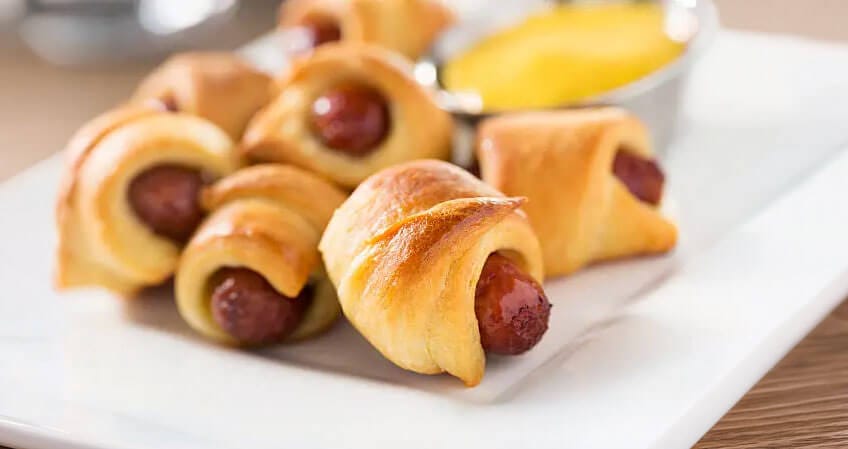
National Pigs in a Blanket Day is observed annually on April 24th throughout the United States, celebrating the beloved appetizer that wraps cocktail sausages or hot dogs in dough and bakes them to golden perfection. This party food holiday honors a dish that has become synonymous with casual entertaining, children’s parties, and nostalgic comfort food across American households. Unlike celebrations focused on sophisticated hors d’oeuvres, National Pigs in a Blanket Day recognizes an unpretentious finger food that makes no claims to culinary elegance yet consistently disappears from serving platters at gatherings. The observance is primarily recognized in the United States, where pigs in a blanket occupy essential positions at Super Bowl parties, holiday appetizer spreads, and school cafeteria lunches. This appetizer celebration falls within the broader category of party food observances but distinguishes itself through pigs in a blanket’s universal appeal across age groups and social contexts. Whether prepared with crescent roll dough and cocktail franks, puff pastry and premium sausages, or homemade biscuit dough and artisan links, National Pigs in a Blanket Day invites home cooks to appreciate a preparation that transforms humble ingredients into crowd-pleasing results through simple combination.
The concept of wrapping sausages or meat in dough extends back centuries across European cuisines, with various cultures developing their own versions long before the American “pigs in a blanket” emerged. Medieval English cookery featured meat wrapped in pastry, while German, Polish, and other Central European traditions included sausage-filled breads and pastries that immigrants would eventually bring to America. The name “pigs in a blanket” itself appears in American cookbooks from the late 19th century, though these early versions often referred to oysters wrapped in bacon rather than sausage in dough.
British cuisine contributed significantly to the concept through sausage rolls, a preparation featuring seasoned sausage meat wrapped in puff pastry and baked. These elegant preparations, common at British gatherings since at least the 19th century, provided a direct ancestor to American pigs in a blanket, though British sausage rolls typically used raw sausage meat rather than pre-cooked links. The technique of encasing protein in pastry to create portable, hand-held foods reflected practical considerations about serving food at social gatherings where plates and utensils might be impractical.
The American version of pigs in a blanket as we recognize it today developed primarily in the mid-20th century, coinciding with several food industry innovations. The mass production of hot dogs and cocktail sausages made small, uniform links widely available and affordable. The introduction of refrigerated crescent roll dough by Pillsbury in 1965 provided convenient, foolproof pastry that required no mixing, rolling, or skilled technique. These industrial food products democratized party appetizer preparation, making impressive-looking finger foods accessible to home cooks without pastry expertise.
The simplicity of the preparation contributed enormously to its adoption: wrap small sausages in dough triangles, bake until golden, serve with mustard or ketchup. This straightforward technique required minimal cooking knowledge while producing reliable results that pleased guests. The individual portion size eliminated cutting and serving complexity, while the combination of savory meat and buttery pastry appealed to broad taste preferences. These practical advantages helped establish pigs in a blanket as party food staple across American entertaining contexts.
The timeline of pigs in a blanket’s popularity in American culture reflects broader changes in home entertaining and convenience food adoption. In the early 1900s, recipes for meat wrapped in pastry appeared in American cookbooks, though these often required making dough from scratch and involved more elaborate preparations than later versions. The concept remained relatively specialized, practiced primarily by accomplished home cooks comfortable with pastry making.
The post-World War II era brought transformation as convenience products simplified home cooking and Americans embraced casual entertaining styles. The 1950s saw increased home party hosting, with cocktail parties and informal gatherings becoming standard middle-class social activities. Appetizers and finger foods gained importance as hosts sought impressive yet manageable offerings. Pigs in a blanket fit perfectly into this context, offering visual appeal and crowd-pleasing flavor without requiring professional cooking skills.
The 1960s and 1970s cemented pigs in a blanket as party food standard when Pillsbury’s refrigerated crescent roll dough became widely available in 1965. The product’s ease of use revolutionized home baking, and companies actively promoted recipes using their dough, including pigs in a blanket. Women’s magazines featured the appetizer prominently, with step-by-step photos demonstrating the simple wrapping technique. The preparation became so associated with casual entertaining that it appeared in virtually every party planning guide and appetizer collection published during this era.
The 1980s and 1990s saw pigs in a blanket maintain their position despite evolving food trends toward more sophisticated entertaining. The appetizer’s nostalgic appeal and reliable crowd-pleasing qualities outweighed any concerns about appearing dated or unsophisticated. Children’s parties embraced pigs in a blanket enthusiastically, establishing the dish in another generation’s memories. School cafeterias added them to lunch menus, further cementing their place in American food culture.
Contemporary pigs in a blanket culture spans from traditional crescent roll versions to upscale adaptations using puff pastry, artisan sausages, and creative additions like jalapeños or cheese. Food blogs feature elevated versions alongside nostalgic tributes to the classic preparation. The Super Bowl and other sporting events created annual traditions around pigs in a blanket as essential game-day food. National Pigs in a Blanket Day emerged within this context of enduring popularity, likely through social media enthusiasm and food industry marketing, celebrating a dish that had transcended its mid-century origins to become timeless American party food.
National Pigs in a Blanket Day matters because it celebrates democratic entertaining that doesn’t require culinary expertise or expensive ingredients. Pigs in a blanket prove that impressive party foods can emerge from supermarket refrigerator cases and simple techniques accessible to anyone. The holiday validates home cooks who rely on convenience products rather than scratch cooking, recognizing that successful entertaining depends more on hospitality and thoughtfulness than demonstrating culinary prowess. This message resonates particularly with hosts overwhelmed by food media’s emphasis on elaborate preparations and Instagram-worthy presentations.
The observance highlights the importance of reliable, crowd-pleasing options when feeding groups with diverse tastes and preferences. Pigs in a blanket appeal across age ranges from children to elderly, accommodate various dietary preferences better than many alternatives, and reliably disappear from platters regardless of what else is served. This universal appeal demonstrates that sometimes the best party foods are those meeting basic criteria exceptionally well rather than attempting novelty or sophistication. The holiday encourages appreciation for foods that work rather than foods that merely impress.
From a practical perspective, National Pigs in a Blanket Day celebrates make-ahead convenience that reduces host stress. The appetizers can be assembled hours before guests arrive, refrigerated, and baked just before serving, emerging hot and fresh without requiring last-minute attention when hosts need to greet guests and manage other tasks. This flexibility makes them particularly valuable for home entertainers juggling multiple responsibilities. The holiday acknowledges that successful parties depend partly on choosing dishes that allow hosts to actually enjoy their own events rather than remaining trapped in kitchens.
The nostalgic dimension adds emotional resonance, as pigs in a blanket appear frequently in memories of childhood parties, holiday gatherings, and family celebrations. Many adults recall making pigs in a blanket with parents or grandparents, learning basic cooking skills through the simple preparation. These associations create emotional connections that transcend taste alone, making pigs in a blanket meaningful beyond their flavor and convenience. The holiday provides opportunity to honor these memories and perhaps recreate them for new generations.
National Pigs in a Blanket Day also matters as celebration of creative adaptation within simple formulas. While the basic concept remains constant, home cooks personalize through different sausage choices, dough variations, additions like cheese or jalapeños, and dipping sauce selections. This creativity within constraints demonstrates that innovation doesn’t require abandoning familiar frameworks, and that familiar foods can be refreshed through thoughtful variations. In celebrating pigs in a blanket, we honor the wisdom of keeping things simple, the value of reliable crowd-pleasers, and the recognition that sometimes the best entertaining involves serving food people actually want to eat rather than food designed to impress. The holiday invites everyone to embrace unpretentious hospitality, appreciate convenience when it serves good purposes, and recognize that golden-brown miniature sausage rolls have earned their place at American tables through consistently delivering exactly what parties need: easy, delicious, universally appealing food that lets hosts focus on guests rather than on cooking.
