National Zucchini Bread Day
April 25, 2026

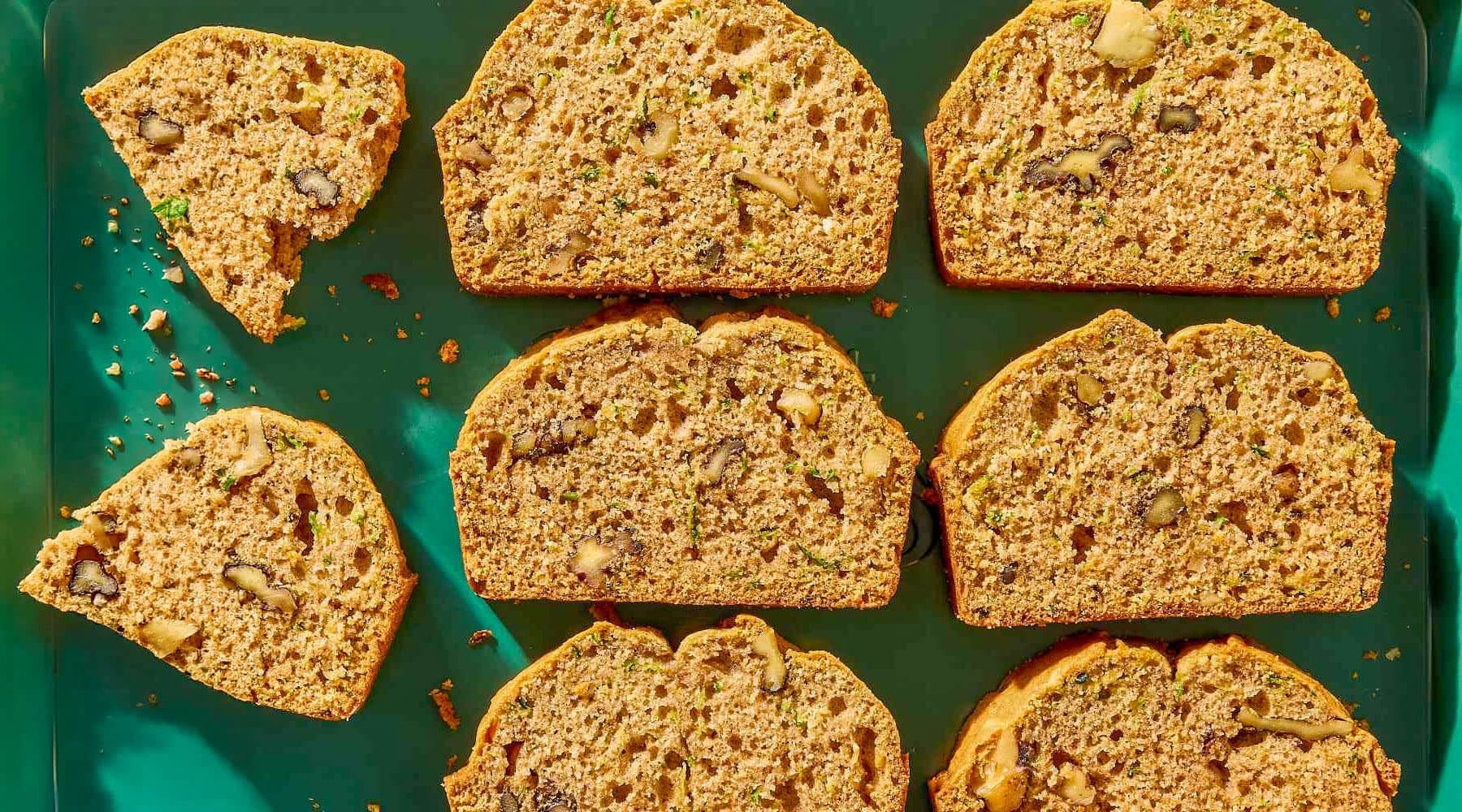
National Zucchini Bread Day is observed annually on April 25th throughout the United States, celebrating the sweet quick bread that transforms abundant summer squash into moist, flavorful loaves studded with spices and sometimes nuts or chocolate chips. This baking-focused holiday honors a practical solution to garden overproduction that became beloved treat in its own right, representing American ingenuity in creating delicious uses for vegetables that might otherwise go to waste. Unlike celebrations focused on traditional yeast breads, National Zucchini Bread Day recognizes a quick bread that relies on chemical leavening and vegetable moisture to create tender texture without kneading or rising time. The observance is primarily recognized in the United States, where home gardens produce zucchini in quantities that often exceed fresh consumption capacity, making zucchini bread both practical preservation method and genuine culinary achievement. This vegetable-bread celebration falls within the broader category of quick bread observances but distinguishes itself through zucchini’s unusual role as moisture provider rather than primary flavor. Whether prepared as classic cinnamon-spiced loaves, chocolate zucchini variations, or mini muffins perfect for lunchboxes, National Zucchini Bread Day invites home bakers to appreciate a recipe that proves vegetables belong in desserts when handled properly.
Zucchini itself arrived in America through Italian immigrants who brought seeds and cultivation knowledge from their homeland, where the summer squash had been grown since being introduced from the Americas centuries earlier. The vegetable remained relatively obscure outside Italian-American communities until the mid-20th century, when home gardening’s postwar popularity and increased interest in Italian cuisine brought zucchini into mainstream American gardens. Gardeners quickly discovered zucchini’s prolific nature, with single plants producing dozens of fruits that matured rapidly and continued producing throughout summer.
The development of zucchini bread appears to have occurred during the 1960s and 1970s as American home bakers experimented with incorporating vegetables into sweet baked goods. This era saw increased interest in health-conscious cooking that sought to add nutrition to traditional recipes, leading to experiments with carrots, pumpkin, and squash in cakes and breads. Zucchini’s mild flavor and high water content made it particularly suitable for quick breads, where it added moisture without imposing strong vegetable taste that might clash with sweet, spiced profiles.
The formula for zucchini bread follows the basic quick bread template: flour, sugar, eggs, oil, leavening agents, and flavorings combined into batter and baked without kneading or rising periods. Grated zucchini adds moisture that creates exceptionally tender texture while contributing minimal flavor that doesn’t compete with cinnamon, nutmeg, and vanilla that typically season the bread. The vegetable’s neutral taste allows it to fade into the background while performing crucial textural functions, creating breads that remain moist for days without tasting remotely vegetable-like to those unaware of the ingredient.
The practical appeal of zucchini bread extended beyond mere taste to address the common gardener’s dilemma of excess production. Home gardeners with zucchini plants often faced overwhelming harvests, with vegetables appearing faster than families could consume them fresh. Zucchini bread provided delicious outlet for surplus production, transforming potential waste into gift-worthy loaves that neighbors and coworkers appreciated. This practical function elevated zucchini bread from mere recipe to essential tool in the home gardener’s preservation arsenal.
The timeline of zucchini bread’s popularity reflects broader trends in American home baking and garden culture. In the 1950s, zucchini remained relatively uncommon outside Italian-American communities, though home gardening was experiencing postwar renaissance as suburban development provided yard space for vegetable plots. Quick breads like banana bread had established the category, creating familiarity with sweet loaves leavened by baking soda or powder rather than yeast.
The 1960s brought increased Italian food popularity and growing interest in vegetable gardening as both hobby and budget-stretching measure. Seed catalogs began featuring zucchini more prominently, and gardening guides included cultivation instructions. As more Americans planted zucchini and discovered its productive nature, the need for preservation and use recipes grew. Food magazines and community cookbooks began including zucchini bread recipes, often presented as clever solutions to surplus squash situations.
The 1970s marked zucchini bread’s breakthrough into mainstream baking culture. The recipe appeared in virtually every community cookbook, church fundraiser collection, and family recipe box. Women’s magazines featured zucchini bread regularly, often positioning it as health-conscious alternative to traditional sweet breads due to the vegetable content. The decade’s emphasis on natural foods and incorporating vegetables into various dishes aligned perfectly with zucchini bread’s profile. Variations proliferated, with bakers adding chocolate chips, nuts, dried fruit, or alternative spices to personalize the basic formula.
The 1980s and 1990s saw zucchini bread achieve permanent status in American baking repertoire. The recipe became standard offering at bake sales, coffee shop counters, and farmers markets where growers sought value-added uses for their zucchini crops. Mini zucchini muffins gained popularity as portable versions suitable for school lunches and snacks. The bread’s reputation as moisture-rich, long-lasting, and crowd-pleasing made it reliable choice for gift-giving and potluck contributions.
Contemporary zucchini bread culture includes traditional versions alongside creative adaptations featuring lemon-poppy seed, orange-cranberry, or savory preparations with cheese and herbs. Gluten-free and vegan versions address dietary restrictions while maintaining the essential characteristics that make zucchini bread appealing. National Zucchini Bread Day emerged within this mature recipe landscape, likely through social media enthusiasm and bakery marketing, celebrating a preparation that had evolved from practical surplus use to beloved baking tradition.
National Zucchini Bread Day matters because it celebrates resourcefulness and the transformation of abundance into deliciousness rather than waste. The holiday honors home bakers who recognize surplus not as problem but as opportunity, applying creativity to preserve seasonal bounty in forms that extend enjoyment far beyond harvest season. This practical orientation reflects values of thrift and resourcefulness increasingly relevant in contexts of food waste concerns and sustainability awareness. The observance validates using food fully rather than discarding excess production.
The celebration highlights how vegetables can enhance baked goods through moisture and texture contributions even when their flavors remain subtle. Zucchini bread demonstrates that ingredients need not dominate to be valuable, sometimes serving crucial supporting roles that improve final results without calling attention to themselves. This principle extends throughout cooking, suggesting that successful recipes often depend on ingredients working together rather than competing for prominence. The holiday provides opportunity to discuss food chemistry and the multiple functions ingredients serve beyond flavor.
From a health perspective, National Zucchini Bread Day celebrates a treat that delivers some nutritional value alongside its sweetness. Zucchini contributes vitamins, minerals, and fiber that pure flour-based sweets lack, while its moisture content allows for reduced oil in many recipes. The vegetable presence creates psychological permission to enjoy sweet bread as slightly less indulgent than alternatives, though the sugar and oil content prevents classification as health food. This balanced approach acknowledges that treats need not be nutritionally void when thoughtfully formulated.
The community dimension adds social relevance, as zucchini bread frequently appears in contexts of sharing and generosity. Gardeners with surplus zucchini often bake bread to give away, transforming potential waste into gifts that strengthen neighborhood bonds. Bake sales feature zucchini bread prominently as reliable sellers that travel well and appeal broadly. These sharing traditions demonstrate food’s role in building community connections and expressing care through homemade offerings. The holiday encourages continuation of these generous practices.
National Zucchini Bread Day also matters as reminder that successful recipes often emerge from practical needs rather than culinary ambition. Zucchini bread developed because gardeners needed uses for excess vegetables, not because anyone set out to create iconic quick bread. This humble origin story suggests that some of the best cooking comes from solving problems rather than chasing sophistication, and that practical considerations can inspire genuine culinary achievements. In celebrating zucchini bread, we honor the problem-solving creativity of home bakers, the satisfaction of using food fully without waste, and the recognition that vegetables belong wherever they work, including in sweet breakfast breads that make summer’s bounty available as gifts and treats long after gardens have been put to bed for winter.
