National Peach Cobbler Day
April 13, 2027

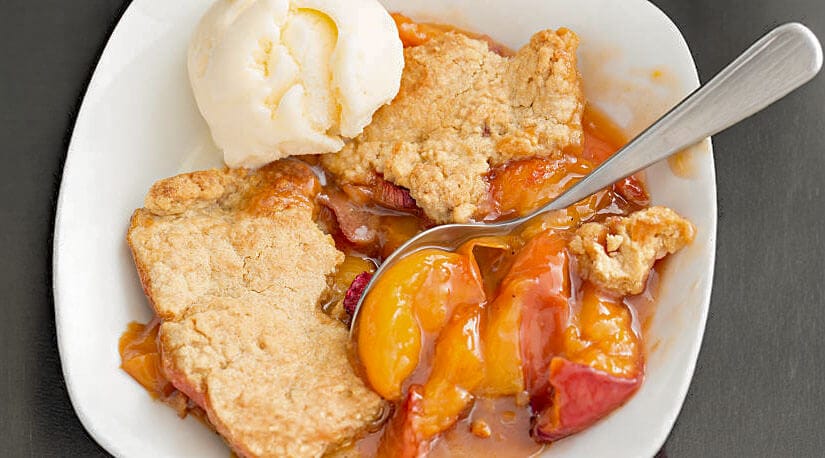
National Peach Cobbler Day, observed annually on April 13th throughout the United States, celebrates the quintessentially American dessert combining sweet peaches with biscuit or cake-like topping baked until golden and bubbling, creating comfort food that epitomizes Southern cooking traditions and seasonal fruit preservation. This food holiday honors a dessert with colonial origins that evolved from British puddings and cobblers into distinctly American preparation utilizing abundant native peaches and simple pantry ingredients. Unlike celebrations focused on elaborate European pastries, National Peach Cobbler Day recognizes rustic, practical dessert developed to showcase summer fruit abundance without requiring professional pastry skills or expensive ingredients. The observance falls within the broader category of dessert-specific holidays celebrating particular preparations and their cultural significance within regional cuisines. The timing in mid-April creates interesting disconnect from peak peach season in summer, though canned and frozen peaches enable year-round cobbler preparation. Whether featuring fresh summer peaches at seasonal peak, preserved fruit extending summer flavors into winter, or creative variations incorporating spices, nuts, or alternative fruits, peach cobbler represents democratic American dessert accessible across economic classes and skill levels, making National Peach Cobbler Day celebration of both culinary heritage and the enduring appeal of simple foods prepared with care.
Cobbler desserts trace their origins to British colonists in America who adapted familiar pudding traditions to new circumstances where traditional ingredients and cooking equipment were unavailable or impractical. British steamed puddings and suet-based preparations required specific equipment and extended cooking times unsuitable for frontier conditions. Colonial cooks developed simpler preparations using available ingredients and basic cooking vessels, creating distinctly American dessert category that maintained conceptual connections to British puddings while diverging significantly in execution.
The term “cobbler” likely derives from appearance rather than preparation method, with the irregular biscuit or dumpling topping supposedly resembling cobblestones on old roads. This rustic, unpolished appearance distinguished cobblers from refined European pastries requiring precise technique and elegant presentation. The casual, thrown-together aesthetic aligned with American pragmatism and democratic values that elevated functionality over sophistication, creating desserts that anyone could prepare successfully regardless of formal training.
Peaches became cobbler fruit of choice particularly in Southern states where the introduced fruit thrived in warm climates and sandy soils after Spanish colonists brought peaches to Florida and Georgia in the 16th century. Native American peoples quickly adopted peach cultivation, spreading trees throughout regions where they naturalized so successfully that many assumed peaches were native rather than introduced species. This abundance made peaches accessible across economic classes, democratic fruit available to enslaved people and wealthy plantation owners alike.
The development of various cobbler topping styles reflected regional preferences and ingredient availability. Biscuit-topped cobblers, common in Southern preparations, featured drop biscuit dough creating biscuit-like texture. Cake-topped versions used thinner batter spreading across fruit to create more uniform covering. Dumpling-style cobblers employed thick dough dropped in mounds partially submerging in fruit during baking. These variations demonstrated cobbler’s flexibility and adaptability to different contexts and available ingredients.
National Peach Cobbler Day’s specific origins remain unclear, following patterns of many contemporary food holidays that emerge through social media, food blogs, and culinary enthusiast communities rather than formal organizational establishment. The observance likely gained recognition in the early 21st century as dessert-specific celebrations proliferated. The April 13th date appears arbitrary, with no apparent connection to peach harvests that peak in summer months, though the spring timing may intentionally create anticipation for approaching peach season.
Commercial peach production expanded dramatically in the United States through the 19th and early 20th centuries as improved varieties, pest management, and transportation infrastructure enabled larger-scale cultivation and distribution. Georgia emerged as particularly associated with peach production, earning nickname “Peach State” despite California and South Carolina actually producing larger volumes. This Georgia identification reflected successful marketing and cultural associations that made Georgia peaches synonymous with quality despite competitive production elsewhere.
Canning technology development in the mid-19th century transformed peach consumption by enabling year-round availability and long-distance distribution of preserved fruit. Home canning became widespread domestic practice with dedicated Ball jars and pressure canners allowing families to preserve summer peach harvests for winter consumption. Commercial canneries industrialized this preservation, creating shelf-stable products that made peach cobbler possible regardless of season or geographic distance from peach-growing regions.
The 20th century brought standardization of peach varieties optimized for commercial production, disease resistance, shipping durability, and canning suitability. Varieties like Elberta, developed in 1870 and widely planted through mid-20th century, became standard canning peach despite limited fresh eating quality. This prioritization of commercial viability over flavor created tensions between industrial efficiency and traditional peach appreciation that continue affecting modern peach production.
Recent decades have seen renewed interest in heirloom peach varieties and regional specialties offering superior flavor despite shorter shelf life and shipping challenges. Farmers markets and direct farm sales enable growers to offer delicate varieties impossible to market through conventional distribution chains. This artisanal peach production serves niche markets willing to pay premiums for exceptional fruit while complementing rather than replacing industrial peach production supplying canneries and conventional retail.
National Peach Cobbler Day matters because it celebrates accessible home baking requiring minimal skill or equipment while delivering impressive results that satisfy and comfort. Cobbler’s forgiving nature accommodates ingredient substitutions, technique variations, and imperfect execution without catastrophic failure, making it ideal for novice bakers building confidence. The observance validates that satisfying desserts need not require professional training or precise European pastry techniques, encouraging home baking participation across skill levels.
The celebration preserves Southern culinary traditions and the role of specific desserts in regional cultural identity. Peach cobbler represents Southern hospitality, summer abundance, and the use of local ingredients in traditional preparations passed through generations. These food traditions carry cultural meaning beyond simple taste, connecting contemporary Southerners to regional history and identity. National Peach Cobbler Day creates occasions to discuss Southern foodways, their development, and their ongoing evolution.
From an agricultural perspective, National Peach Cobbler Day supports peach growers facing challenges including disease pressure, climate variability, international competition, and consumer preferences shifting toward convenience over seasonal eating. Peach production requires significant investment in pest management, frost protection, and harvest labor while accepting risks from weather events that can devastate crops. Celebrating peach-based desserts builds consumer awareness about these challenges while encouraging peach consumption supporting growers economically.
The observance encourages seasonal eating and fruit preservation that extend local harvest enjoyment beyond brief fresh seasons. Making cobbler from fresh summer peaches at peak ripeness provides optimal flavor while supporting local growers during harvest. Learning to can or freeze peaches for off-season cobbler connects contemporary cooks to preservation traditions that sustained previous generations through winters when fresh fruit was unavailable. These skills promote food self-sufficiency while reducing dependence on industrial food systems.
National Peach Cobbler Day also matters for celebrating simplicity and rustic presentation over perfection. Cobbler’s deliberately irregular appearance and humble origins validate that beauty and deliciousness emerge from authenticity rather than refined presentation. This aesthetic celebrates everyday cooking and democratic food culture where simple preparations using quality ingredients create satisfaction without pretension. By honoring peach cobbler’s frontier origins, Southern associations, and accessible preparation while supporting both artisanal and commercial peach growers, National Peach Cobbler Day demonstrates that traditional desserts carry cultural significance transcending simple recipes, connecting contemporary celebrants to agricultural heritage, regional identity, and home cooking traditions that sustained communities through generations while remaining relevant, delicious, and achievable in modern kitchens.