National Cherry Cheesecake Day
April 23, 2026

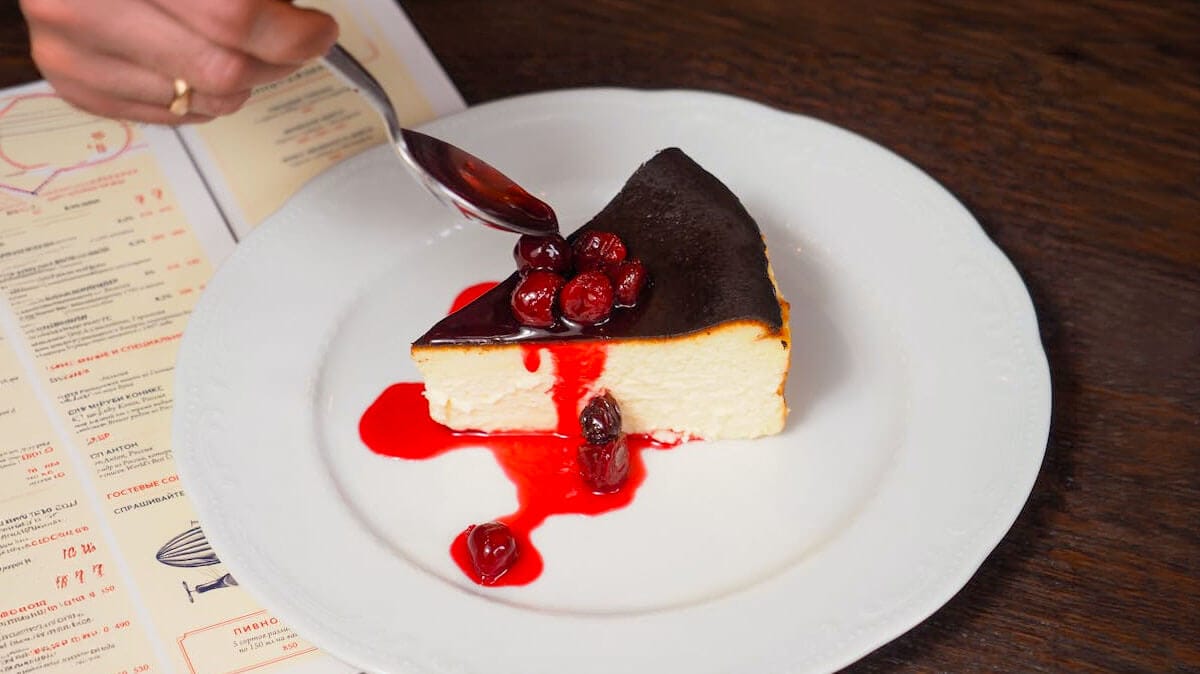
National Cherry Cheesecake Day is observed annually on April 23rd throughout the United States, celebrating the beloved dessert that combines creamy cheesecake filling with sweet-tart cherry topping. This dessert-focused holiday honors a classic American variation on ancient cheese-based sweets, where the addition of cherries creates color contrast, flavor balance, and visual appeal that elevates plain cheesecake into something more festive and complete. Unlike celebrations focused on traditional European desserts, National Cherry Cheesecake Day recognizes a distinctly American interpretation that emerged from immigrant baking traditions meeting New World ingredients and mid-20th-century convenience culture. The observance is primarily recognized in the United States, where cheesecake occupies prominent positions in diner menus, special occasion desserts, and home baking repertoires. This cheesecake celebration falls within the broader category of dessert observances but distinguishes itself through the specific cherry-cheese pairing that creates one of America’s most recognizable and enduring sweet combinations. Whether prepared as New York-style cheesecake with cherry pie filling, no-bake versions with cherry compote, or individual mini cheesecakes topped with fresh cherries, National Cherry Cheesecake Day invites bakers and dessert lovers to appreciate a pairing that transforms good into great through thoughtful combination.
Cheesecake’s history extends back thousands of years, with the ancient Greeks serving cheese-based cakes to athletes during the first Olympic Games in 776 BCE. These early versions combined fresh cheese, flour, and honey, baked to create dense, sustaining cakes far removed from modern creamy cheesecakes. The Romans adopted Greek cheesecake traditions, documenting recipes that spread throughout their empire. Medieval Europeans created regional variations using local cheeses and sweeteners, from Italian ricotta-based cakes to German quark desserts, each reflecting local ingredients and preferences.
American cheesecake emerged from these European traditions when Eastern European Jewish immigrants brought their cheese-based dessert recipes to New York in the late 19th century. However, the truly transformative moment came in 1872 when American dairyman William Lawrence accidentally invented cream cheese while attempting to recreate French Neufchâtel. This rich, smooth cheese, eventually marketed as Philadelphia Brand cream cheese, provided the perfect base for American cheesecake that would differ dramatically from European ancestors. The high fat content and smooth texture created luxuriously creamy results impossible with traditional fresh cheeses.
The development of New York-style cheesecake in the early 20th century established the template that would dominate American cheesecake culture. Arnold Reuben, owner of the legendary Turf Restaurant, claimed to have invented New York cheesecake in the 1920s, though competing claims exist. Regardless of specific origins, New York cheesecake distinguished itself through dense, creamy filling made primarily from cream cheese, eggs, and sugar, baked in a springform pan and served plain or with minimal topping. This style became the standard against which other cheesecakes were measured.
Cherry topping entered the American cheesecake picture through multiple influences. European traditions of serving fruit compotes with cheese desserts provided historical precedent. The development of canned cherry pie filling in the mid-20th century made cherry topping convenient and affordable, requiring no cooking or preparation beyond opening a can. The bright red color created visual appeal that plain cheesecake lacked, making cherry-topped cheesecake more photogenic and festive. The tart sweetness of cherries balanced the rich, dense cheesecake, preventing palate fatigue and adding complexity that elevated the overall experience.
The timeline of cherry cheesecake’s popularity tracks closely with broader American food trends and convenience product development. In the early 1900s, cheesecake remained relatively specialized, served primarily in New York delicatessens and restaurants catering to Jewish communities. The dessert’s reputation for difficulty discouraged home baking, and cream cheese’s expense limited its everyday use. Cherries appeared primarily as fresh seasonal fruit or expensive preserved imports.
The 1920s and 1930s brought cheesecake into broader American consciousness as New York’s restaurant scene gained national attention. Delicatessens like Lindy’s became famous for their cheesecakes, attracting visitors who spread word about the impressive dessert. Cookbooks began including cheesecake recipes aimed at home bakers, though they remained challenging preparations requiring careful technique and quality ingredients. Cherry toppings during this era typically involved cooking fresh or canned cherries into sauce, a time-consuming process that limited adoption.
The post-World War II era transformed cherry cheesecake into mainstream American dessert. Philadelphia Brand cream cheese aggressively marketed cheesecake recipes, providing detailed instructions and foolproof techniques that made home baking achievable. The development of canned cherry pie filling, pioneered by companies like Comstock and Wilderness, made cherry topping almost effortless. Opening a can and spreading cherries over finished cheesecake required no cooking skills, making the combination accessible to even novice bakers. This convenience factor proved crucial to widespread adoption.
The 1950s and 1960s saw cherry cheesecake become standard offering at diners, coffee shops, and home dinner parties. The dessert’s impressive appearance and crowd-pleasing flavor made it popular for special occasions, while improved recipes and ingredients increased success rates. Frozen cheesecakes appeared in supermarkets, with cherry-topped versions prominently featured, further normalizing the cherry-cheese combination. Cheesecake mix products simplified preparation even more, requiring only adding cream cheese and baking.
The late 20th century brought renewed interest in from-scratch baking and premium ingredients that elevated cherry cheesecake beyond convenience products. Bakers began making cherry compotes from fresh cherries, experimenting with sour cherries instead of sweet, and creating sophisticated presentations that showcased technique rather than shortcuts. Contemporary cherry cheesecake spans the full spectrum from no-bake versions using graham cracker crusts and whipped cream to elaborate preparations featuring water bath baking, homemade cherry sauce, and artisan presentation. National Cherry Cheesecake Day emerged within this diverse landscape, likely through social media enthusiasm and bakery marketing, celebrating both traditional and innovative approaches to this classic American dessert combination.
National Cherry Cheesecake Day matters because it celebrates American ingenuity in adapting Old World traditions to New World contexts and preferences. European cheese-based desserts provided foundation, but American cheesecake, particularly with cherry topping, represents distinct creation that reflects American ingredient availability, aesthetic preferences, and convenience culture. The holiday acknowledges this innovation rather than merely copying European models, celebrating creativity and adaptation that created something genuinely new while honoring ancestral techniques.
The observance highlights the importance of contrasts in creating memorable food experiences. Cherry cheesecake succeeds precisely because cherries and cheesecake complement each other through opposition: tart against sweet, fruity against dairy, bright red against pale cream, soft fruit against dense filling. This principle of pairing contrasting elements to create harmony extends throughout cooking and eating, suggesting that great food often emerges from thoughtful combination rather than singular excellence. The holiday provides opportunity to discuss flavor pairing and the art of creating balanced desserts.
From a practical perspective, National Cherry Cheesecake Day celebrates a dessert that accommodates various skill levels and time commitments. No-bake versions serve beginners and time-pressed bakers, while traditional water bath preparations challenge experienced pastry enthusiasts. Individual mini cheesecakes provide portion control and elegant presentation, while full-sized cakes feed crowds impressively. This versatility makes cherry cheesecake accessible across different contexts and capabilities, demonstrating that impressive desserts need not require professional training when recipes are well-designed and clearly explained.
The nostalgic dimension adds emotional resonance, as cherry cheesecake appears frequently in memories of diners, celebrations, and family gatherings. Many Americans recall childhood experiences of cherry cheesecake at restaurants or homemade versions prepared by relatives. These associations create emotional connections that transcend taste alone, making cherry cheesecake meaningful beyond its flavor and texture. The holiday provides opportunity to honor these memories and perhaps recreate them for new generations, creating continuity across time through shared food experiences.
National Cherry Cheesecake Day also matters as celebration of cherries themselves, fruits that deserve recognition beyond their brief fresh season. Tart cherries, particularly Michigan-grown Montmorency cherries that dominate American pie filling production, provide economic support to cherry-growing regions while delivering fruit high in antioxidants and anti-inflammatory compounds. Supporting cherry products, especially those made from real fruit rather than artificial flavoring, maintains agricultural markets for cherry growers. In celebrating cherry cheesecake, we honor not just a dessert but the farmers who grow cherries, the dairy producers who supply cream cheese, and the home bakers who take time to create something special rather than purchasing ready-made alternatives. The holiday invites everyone to slow down, bake thoughtfully, and recognize that some traditions persist because they get the fundamentals right: great ingredients, thoughtful combination, and the simple pleasure of creamy sweetness balanced by tart fruit.