National English Muffin Day
April 23, 2026

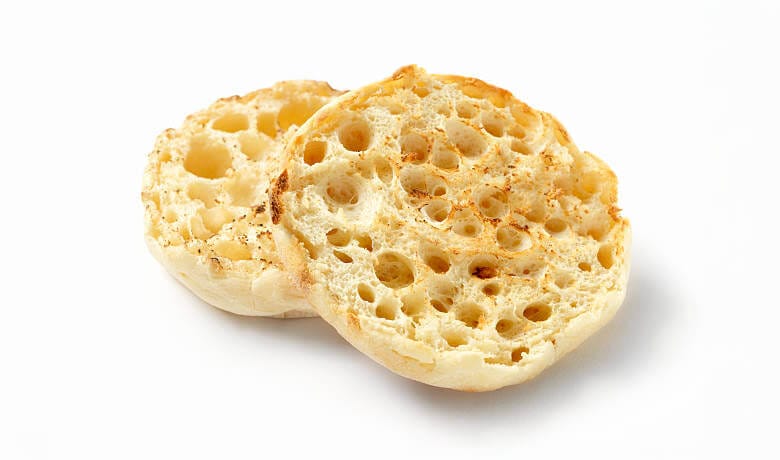
National English Muffin Day is observed annually on April 23rd throughout the United States, celebrating the distinctively textured bread product characterized by nooks and crannies that create perfect surfaces for butter, jam, or egg-based breakfast preparations. This breakfast-focused holiday honors English muffins, the round, flat bread rolls that despite their name represent American innovation rather than traditional English baking. Unlike celebrations focused on sweet baked goods, National English Muffin Day recognizes a savory bread product that has become breakfast staple across American households, restaurants, and fast-food chains. The observance is primarily recognized in the United States, where English muffins occupy essential positions in breakfast culture, from home toasters to McDonald’s Egg McMuffin sandwiches. This bread celebration falls within the broader category of breakfast food observances but distinguishes itself through English muffins’ unique preparation method and textural qualities that set them apart from ordinary bread. Whether split and toasted with butter, transformed into eggs Benedict foundation, or assembled into breakfast sandwiches, National English Muffin Day invites bread lovers to appreciate a product whose carefully controlled fermentation and griddle cooking create textures impossible to achieve through conventional baking.
Despite their name suggesting British origins, English muffins as Americans know them represent largely American creation developed in the late 19th century. The confusion stems from the fact that England did have muffins, but these were entirely different products: small, cake-like items often sold by street vendors and consumed as snacks. The griddle-cooked, yeast-leavened bread rounds Americans call English muffins bore little resemblance to traditional English muffins, leading to ongoing confusion about the product’s true origins and identity.
The most commonly cited origin story credits Samuel Bath Thomas, an English immigrant who arrived in New York in 1874. Thomas opened a bakery in Manhattan and began producing what he called “toaster crumpets,” based loosely on English crumpets but adapted to American tastes and ingredients. Thomas’s innovation involved using a griddle rather than an oven, cooking the muffins on both sides to create distinctive texture. He also developed the fork-splitting technique that created the characteristic nooks and crannies, irregular surfaces that held butter and toppings better than knife-cut slices could.
Thomas’s bakery grew successful, and by 1880 he had established Thomas’ English Muffins as a recognizable brand in New York. The product’s appeal stemmed from several factors: the griddle cooking created chewy exterior texture while maintaining soft interior, the nooks and crannies provided superior topping absorption, and the bread’s slight sourness from extended fermentation offered complexity beyond ordinary bread. Thomas promoted fork-splitting rather than knife-cutting, arguing that the rough surfaces created by splitting enhanced the eating experience.
The early 20th century saw English muffins spread beyond New York as Thomas expanded distribution and other bakeries began producing similar products. The convenience of pre-made bread rounds that required only splitting and toasting appealed to busy households seeking quick breakfast options. Hotels and restaurants adopted English muffins for breakfast service, particularly as bases for eggs Benedict and other sophisticated breakfast preparations that required sturdy, absorbent bread foundations. The products remained regional specialties, however, with strongest popularity in Northeast urban areas.
The timeline of English muffins’ national expansion reflects broader changes in American breakfast culture and food manufacturing. In the late 1800s, Samuel Bath Thomas began producing what would become English muffins in his New York bakery, establishing the basic formula and technique. The early 1900s brought gradual expansion as Thomas’s bakery grew and other producers entered the market, though English muffins remained primarily Northeast products unknown in much of the country.
The mid-20th century marked English muffins’ breakthrough into national consciousness. Improved transportation networks allowed bakeries to distribute farther from production sites, while the rise of supermarkets created retail channels for packaged bread products. The 1950s saw major bread companies begin producing English muffins nationally, making them available in regions where they had previously been unknown. Marketing campaigns educated consumers about splitting rather than cutting and highlighted the products’ versatility beyond simple toast.
The 1970s brought the pivotal moment when McDonald’s introduced the Egg McMuffin in 1972, creating the first major fast-food breakfast sandwich. This sandwich used English muffin as foundation, introducing millions of Americans to the product and establishing English muffins as synonymous with breakfast sandwiches. The Egg McMuffin’s success sparked imitators across the fast-food industry, with virtually every major chain eventually offering English muffin-based breakfast sandwiches. This fast-food adoption cemented English muffins in American breakfast culture more thoroughly than decades of traditional marketing could have achieved.
The 1980s and 1990s saw proliferation of English muffin varieties beyond plain white flour versions. Whole wheat English muffins appealed to health-conscious consumers, while sourdough versions offered tangier flavor profiles. Cinnamon raisin, honey wheat, and multigrain varieties expanded options and occasions for consumption. Brands like Thomas’, Arnold, and store brands competed for supermarket shelf space, with pre-sliced options appearing alongside traditional whole muffins requiring splitting.
Contemporary English muffin culture includes artisan versions from specialty bakeries alongside mass-market products, gluten-free alternatives for celiac consumers, and organic options addressing ingredient quality concerns. The basic format remains unchanged since Thomas’s 19th-century innovation, testament to the original formula’s excellence. National English Muffin Day emerged within this mature market, likely through social media enthusiasm and bakery marketing, providing dedicated recognition for a product that had evolved from regional specialty to national breakfast staple.
National English Muffin Day matters because it celebrates a product that demonstrates how immigrant traditions can be adapted and improved through American innovation. Samuel Bath Thomas took inspiration from English crumpets but created something distinct that better suited American ingredients, equipment, and preferences. The holiday honors this creative adaptation rather than rigid adherence to tradition, celebrating the immigrant experience of taking ancestral knowledge and transforming it through new contexts. This story resonates particularly in a nation built substantially through immigration and cultural fusion.
The observance highlights the importance of texture in food satisfaction, as English muffins succeed primarily through their distinctive surface structure rather than flavor alone. The nooks and crannies created by fork-splitting and the combination of chewy exterior with tender interior deliver sensory experiences that smooth bread cannot match. This emphasis on texture reminds us that great food involves more than taste, requiring attention to mouthfeel, structure, and how foods interact with toppings and accompaniments. The holiday provides opportunity to discuss food science and the techniques that create desirable textures.
From a practical perspective, National English Muffin Day celebrates versatility that makes English muffins valuable beyond breakfast. They serve as pizza bases for quick lunches, burger buns for sliders, and foundations for open-faced sandwiches. This adaptability demonstrates that specialized products need not be narrowly limited to single applications when their fundamental qualities prove broadly useful. The holiday encourages creative uses beyond conventional breakfast preparations, inviting experimentation with a familiar product in new contexts.
The economic dimension adds contemporary relevance, as English muffin production supports employment across baking, distribution, and retail sectors. The product’s success encouraged growth in breakfast foods generally, contributing to the breakfast restaurant segment and fast-food breakfast dayparts that generate significant revenue. Supporting English muffin producers, particularly smaller bakeries producing artisan versions, maintains diversity in bread markets increasingly dominated by industrial production and limited varieties.
National English Muffin Day also matters as reminder that simple, well-executed products often outlast complicated innovations. English muffins have remained essentially unchanged for over 140 years because Thomas got the fundamentals right: yeast fermentation for flavor, griddle cooking for texture, and fork-splitting for surface structure. This longevity suggests that chasing novelty sometimes matters less than perfecting basics and maintaining quality standards. In celebrating English muffins, we honor consistency, craftsmanship, and the recognition that sometimes the best innovations involve improving existing ideas rather than creating entirely new ones. The holiday invites everyone to slow down, split properly, toast until golden, and appreciate how such simple elements combine into breakfast satisfaction that has endured across centuries and continents.