National Shrimp Scampi Day
April 29, 2026

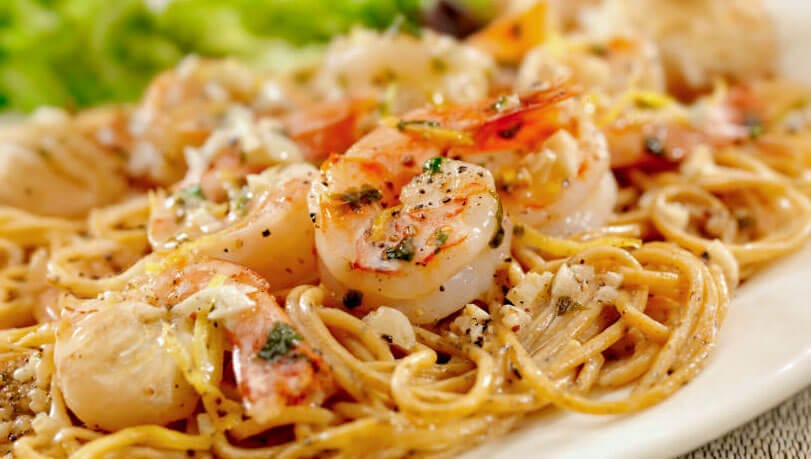
National Shrimp Scampi Day is observed annually on April 29th throughout the United States, celebrating the Italian-American dish that bathes succulent shrimp in garlic-butter-wine sauce and serves them over pasta or with crusty bread. This seafood-focused holiday honors a preparation that demonstrates how immigrant cuisines adapt to American ingredients and tastes, creating dishes that become beloved classics despite diverging from their Old World origins. Unlike celebrations focused on authentic regional cuisine, National Shrimp Scampi Day recognizes an Italian-American creation that reflects the fusion and adaptation characterizing much of America’s most popular ethnic food. The observance is primarily recognized in the United States, where shrimp scampi appears on countless Italian restaurant menus, home dinner tables, and in the repertoires of home cooks seeking impressive yet approachable seafood preparations. This shrimp celebration falls within the broader category of seafood observances but distinguishes itself through scampi’s specific garlic-forward flavor profile, quick cooking technique, and the linguistic confusion surrounding its name. Whether prepared as classic garlic-butter version over linguine, enhanced with white wine and lemon, or adapted with red pepper flakes for heat, National Shrimp Scampi Day invites seafood lovers to appreciate a dish that transformed humble crustaceans into restaurant-quality dining through generous application of garlic and butter.
The term “scampi” properly refers to Nephrops norvegicus, small lobster-like crustaceans found in the Mediterranean and northeastern Atlantic. In Italian cuisine, particularly Venice and the Adriatic coast, scampi are prepared simply, often grilled or sautéed with garlic, olive oil, and white wine. The creatures themselves, also called langoustines or Dublin Bay prawns depending on region, possess sweet, delicate meat highly prized in European seafood markets. Traditional Italian scampi preparations showcased the crustacean’s natural flavor without heavy sauces or excessive seasoning.
The adaptation to American contexts involved significant substitution because true scampi rarely reached American markets in the quantities or prices necessary for widespread restaurant use. Italian immigrants arriving in America during the late 19th and early 20th centuries found shrimp far more available and affordable than the langoustines they knew from home. Shrimp fisheries along the Gulf Coast, Atlantic seaboard, and eventually Pacific coast supplied abundant crustaceans that, while different from true scampi, could be prepared using similar techniques adapted from Italian traditions.
The American version that emerged treated “scampi” as a preparation method rather than specific ingredient, creating confusion that persists today. “Shrimp scampi” literally means “shrimp shrimp” to Italian speakers, but in American restaurant parlance, it came to mean shrimp prepared in the style traditionally used for scampi: sautéed with garlic, butter, and often white wine. This semantic shift allowed Italian-American restaurants to offer familiar-sounding dishes using affordable, available ingredients rather than expensive imports.
The garlic-butter-wine sauce that defines American shrimp scampi reflects Italian cooking traditions but amplifies certain elements to American proportions. Italian preparations typically used olive oil as primary fat, with butter if any used sparingly. American versions increased butter substantially, creating richer, more luxurious sauce that appealed to American palates accustomed to generous dairy use. The garlic quantities also increased beyond traditional Italian restraint, producing pronounced garlic flavor that became the dish’s defining characteristic alongside the butter and wine.
The timeline of shrimp scampi’s popularity in American dining reflects the broader development of Italian-American cuisine as distinct category separate from authentic Italian cooking. In the early 1900s, Italian immigrants established restaurants serving adapted versions of homeland dishes using available American ingredients. These early Italian-American establishments developed the foundational dishes that would define the category, from meatballs to chicken parmesan to various pasta preparations.
The mid-20th century brought Italian-American cuisine into mainstream acceptance as Americans moved beyond viewing Italian food as exotic ethnic cuisine to embracing it as familiar dining option. Shrimp scampi appeared on restaurant menus during the 1950s and 1960s as establishments sought seafood offerings beyond fried fish and lobster. The dish’s combination of familiar elements, garlic, butter, and shrimp, presented in Italian context created appeal that bridged authentic and Americanized cuisines.
The 1970s and 1980s marked shrimp scampi’s peak as red-sauce Italian restaurants proliferated across American suburbs. Chain restaurants like Olive Garden and local independent Italian establishments featured shrimp scampi prominently, often positioning it as premium offering commanding higher prices than pasta-only dishes. The preparation’s restaurant association created aspirational quality, with home cooks viewing shrimp scampi as sophisticated dish worth attempting for special dinners. Cookbooks and magazines provided recipes that demystified the technique, encouraging home preparation.
The late 20th century saw shrimp scampi maintain popularity despite evolving dining trends toward lighter, less butter-heavy preparations. The dish adapted through variations reducing butter, increasing wine and lemon for brightness, or adding vegetables like cherry tomatoes and spinach for contemporary appeal. The basic template proved flexible enough to accommodate dietary preferences while maintaining essential character. Some restaurants offered “scampi style” preparations using chicken or even vegetables, extending the preparation method beyond seafood.
Contemporary shrimp scampi culture includes traditional butter-heavy versions alongside lighter wine-based interpretations, spicy variations with red pepper flakes, and deconstructed presentations that separate components for visual appeal. The dish remains Italian restaurant staple while also appearing frequently in home cooking repertoires. National Shrimp Scampi Day emerged within this established tradition, likely through food blogger enthusiasm and restaurant marketing, celebrating a preparation that had evolved from immigrant adaptation to American classic.
National Shrimp Scampi Day matters because it celebrates immigrant resourcefulness and the creativity required to maintain culinary traditions when ingredients from homeland prove unavailable. The holiday honors the ingenuity of Italian-American cooks who substituted shrimp for langoustines while preserving essential preparation techniques and flavor profiles. This adaptive approach created new traditions that honored origins while acknowledging new realities, demonstrating that authenticity sometimes requires flexibility rather than rigid adherence to original formulas.
The observance highlights how American abundance, particularly of certain ingredients like butter and shrimp, shaped immigrant cuisines into richer, more indulgent versions than homeland traditions. Italian-American food generally features more generous portions, richer sauces, and heavier dairy use than traditional Italian cuisine, reflecting American ingredient availability and cultural preferences for abundance. The holiday provides opportunity to discuss how economic contexts and ingredient access shape culinary development and create regional variations.
From a practical perspective, National Shrimp Scampi Day celebrates accessible luxury, the home cooking of restaurant-quality dishes using techniques and ingredients available to average cooks. Shrimp scampi requires no specialized equipment or exotic ingredients, succeeding through proper technique with garlic, butter, wine, and shrimp available at any supermarket. This accessibility democratizes impressive dining, demonstrating that restaurant meals can be recreated at home when recipes are well-designed and cooks follow proper technique.
The quick cooking time adds contemporary relevance, as shrimp scampi can be prepared in under 30 minutes from start to finish, making it viable weeknight dinner rather than just special occasion meal. This speed combined with impressive presentation addresses modern cooking challenges where time constraints often prevent ambitious meal preparation. The holiday encourages home cooking by showcasing dishes that deliver restaurant appeal without requiring hours of preparation.
National Shrimp Scampi Day also matters as celebration of garlic’s transformative power in cooking and the way aromatics create flavor foundations for countless preparations. The dish demonstrates proper garlic cooking technique, sautéing just until fragrant without burning, while the butter and wine create sauce that coats shrimp and pasta beautifully. These fundamental skills transfer to numerous other recipes. In celebrating shrimp scampi, we honor Italian-American culinary heritage, the resourcefulness of immigrant cooks adapting to new contexts, and the recognition that sometimes the best traditions emerge not from perfect preservation of the past but from creative adaptation to present circumstances that creates something new while maintaining connection to what came before.