National Oatmeal Cookie Day
April 30, 2026

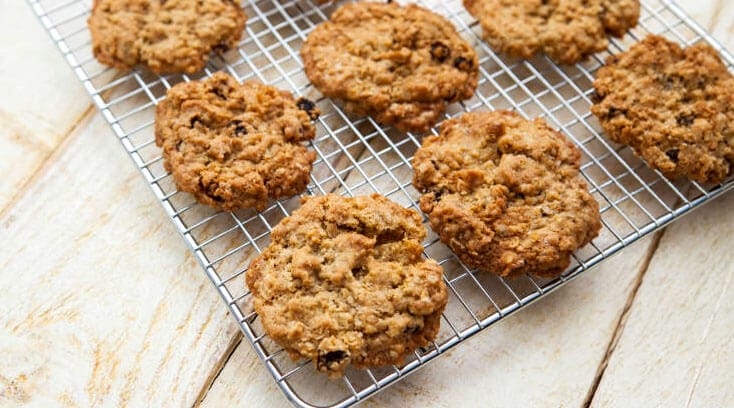
National Oatmeal Cookie Day is observed annually on April 30th throughout the United States, celebrating the wholesome yet indulgent cookie that combines rolled oats with butter, sugar, and often raisins or chocolate chips into chewy treats that bridge health food and dessert. This cookie-focused holiday honors oatmeal cookies, the hearty rounds that represent practical baking using pantry staples while delivering satisfying texture and flavor that has made them favorites across generations. Unlike celebrations focused on purely indulgent sweets, National Oatmeal Cookie Day recognizes cookies that carry health halos, however deserved or exaggerated, through their oat content and associations with wholesome home baking. The observance is primarily recognized in the United States, where oatmeal cookies occupy essential positions in cookie jars, school lunchboxes, and the fond memories of those who associate them with grandmothers’ kitchens and after-school snacks. This cookie celebration falls within the broader category of baked goods observances but distinguishes itself through oatmeal cookies’ unique texture from oat flakes, practical origins as way to use basic ingredients, and cultural position as somehow more virtuous than purely flour-based cookies. Whether prepared as classic oatmeal raisin, updated with chocolate chips and dried cranberries, or adapted into healthier versions using whole grains and natural sweeteners, National Oatmeal Cookie Day invites bakers and cookie lovers to appreciate a treat that has sustained popularity through remaining essentially unchanged since becoming standard American cookie variety.
Oatmeal cookies emerged from practical considerations rather than culinary ambition, developing during periods when bakers sought to use available ingredients efficiently. Oats themselves entered American agriculture through Scottish and Irish immigrants who brought oat-growing traditions and oat-consuming customs to their new homeland. While oats served primarily as livestock feed and breakfast porridge in early America, creative cooks began incorporating oats into baked goods, discovering that rolled oats added texture and substance to cookies while extending more expensive ingredients like flour.
The earliest oatmeal cookie recipes appear in American cookbooks from the late 19th century, coinciding with commercial oat processing improvements that made rolled oats more widely available and affordable. The Quaker Oats Company, established in 1877, promoted rolled oats aggressively through recipe distribution, including cookie recipes that showcased oats’ versatility beyond breakfast porridge. These marketing efforts helped establish oatmeal cookies as standard American cookie variety, with recipes appearing in community cookbooks and women’s magazines by the 1890s.
Early oatmeal cookie recipes emphasized practicality and economy, using ingredients most households kept in pantries: oats, flour, sugar, butter or lard, eggs, and leavening. Raisins provided sweetness and texture variation without requiring expensive nuts or chocolate. The cookies kept well without refrigeration, making them practical for storing in cookie jars or packing in lunches. This durability proved particularly valuable before widespread home refrigeration, when baked goods needed to remain edible for days at room temperature.
The basic formula that emerged combined creamed butter and sugar with eggs, then mixed in flour, oats, spices typically including cinnamon, and additions like raisins or nuts. The oats provided distinctive chewy texture different from pure flour cookies while adding nutty flavor that complemented sweet and spice elements. The cookies’ hearty character made them satisfying in ways that lighter, crisper cookies couldn’t match, creating substantial treats that felt nourishing despite their sugar and fat content.
The timeline of oatmeal cookies’ prominence in American baking reflects broader changes in ingredient availability, dietary attitudes, and cookie preferences. In the late 1800s, commercial oat processing made rolled oats increasingly available, with companies like Quaker Oats promoting recipes that demonstrated versatility beyond porridge. Oatmeal cookies appeared in cookbooks and magazines as practical, economical baked goods suitable for everyday baking rather than special occasions.
The early 1900s brought standardization as recipe formats became more consistent and measurements more precise. Oatmeal cookie recipes appeared in virtually every general cookbook and community collection, establishing them as fundamental American cookie variety alongside sugar cookies and gingerbread. The Great Depression of the 1930s reinforced oatmeal cookies’ reputation as economical treats that stretched ingredients while providing satisfying results, with oats and raisins offering substance at reasonable cost.
The post-World War II era saw oatmeal cookies maintain popularity despite competition from new commercial cookie varieties and increasing availability of convenience products. Homemade oatmeal cookies represented continuity with pre-war baking traditions and connection to grandmothers’ kitchens at a time when packaged foods promised modern convenience. The cookies’ wholesome image aligned with 1950s family values and the emphasis on providing nutritious foods for children, though the sugar and butter content prevented classification as truly healthy.
The 1970s and 1980s brought health food movement that championed whole grains and natural ingredients, creating renewed interest in oatmeal cookies as supposedly healthier alternatives to pure flour cookies. Adaptations using whole wheat flour, reducing sugar, or adding nuts and seeds attempted to enhance nutritional profiles while maintaining appeal. The decade also saw chocolate chip oatmeal cookies gain popularity as variation that combined oatmeal cookie texture with chocolate’s universal appeal, creating hybrid that pleased both oatmeal raisin loyalists and chocolate lovers.
Contemporary oatmeal cookie culture includes traditional recipes alongside innovations featuring alternative sweeteners, gluten-free oat flour, vegan butter substitutes, and creative additions like dried cranberries, white chocolate, or even savory variations with herbs and cheese. The cookies appear in artisan bakeries and home kitchens alike, demonstrating enduring appeal across changing food trends. National Oatmeal Cookie Day emerged within this established tradition, likely through food blogger enthusiasm and bakery marketing, celebrating a cookie that had remained essentially unchanged while accommodating modern dietary preferences and ingredient innovations.
National Oatmeal Cookie Day matters because it celebrates practical home baking using simple, accessible ingredients rather than exotic or expensive components. Oatmeal cookies prove that excellent baked goods emerge from pantry staples and straightforward techniques, requiring no special equipment or hard-to-find items. The holiday validates home bakers who prioritize practicality and economy without sacrificing quality or appeal, demonstrating that impressive results don’t require gourmet ingredients or professional expertise.
The observance highlights the enduring appeal of texture in baked goods and how oats create distinctive mouthfeel impossible to replicate with flour alone. The chewy, substantial character that oats provide has sustained oatmeal cookies’ popularity across changing dessert trends that have seen many other cookie varieties rise and fall in fashion. Understanding what makes oatmeal cookies texturally distinct helps bakers appreciate ingredient functions beyond flavor contributions. The holiday provides opportunity to discuss baking science and the multiple roles ingredients play in achieving desired results.
From a nutritional perspective, National Oatmeal Cookie Day celebrates treats that, while certainly indulgent, offer more nutritional value than pure sugar cookies through oats’ fiber, protein, and micronutrient content. The cookies occupy the middle ground between empty-calorie sweets and truly healthy snacks, allowing for enjoyment without extreme guilt. This balanced approach acknowledges that treats need not be nutritionally void when formulated thoughtfully, though the sugar and butter prevent classification as health food despite marketing sometimes suggesting otherwise.
The nostalgic dimension adds emotional resonance, as oatmeal cookies appear frequently in memories of childhood, grandmothers’ kitchens, and after-school snacks. The cookies’ association with home baking and family traditions creates emotional connections that transcend mere taste. Many adults carry vivid memories of helping grandparents or parents make oatmeal cookies, learning to cream butter and sugar, measure oats, and form dough into rounds. These experiences build positive associations with cooking and create traditions worth preserving and passing to new generations.
National Oatmeal Cookie Day also matters as celebration of recipe longevity and the recognition that sometimes formulas don’t require improvement or innovation. Oatmeal cookies have remained essentially unchanged for over a century because the original formula got the fundamentals right: proper ratios of butter, sugar, oats, and flour creating texture and flavor that countless attempts at innovation have failed to improve meaningfully. In celebrating oatmeal cookies, we honor the wisdom of respecting successful formulas, the satisfaction of baking wholesome treats using pantry ingredients, and the simple truth that sometimes the best cookies are those that remind us of simpler times, grandmother’s kitchens, and the enduring appeal of chewy oats studded with sweet raisins that have pleased cookie lovers across generations.