
America did not fall in love with coffee in a single moment. The relationship grew slowly, the way a habit turns into a ritual and a ritual turns into a way of life. Today people in the United States treat coffee as much more than a drink. It is a mood setter, a morning compass, a social tool, a tiny bit of identity, and sometimes a small performance. For many people it is also the very first moment of control they feel in a long and busy day.
Coffee first arrived in the United States in the seventeen hundreds. It spread through ports, taverns, and gathering places and started to gain cultural weight during the American Revolution. Tea was tied to the Crown, so coffee stepped in as the patriotic alternative. Over time it became standard in diners, rail stations, factory lines, and office break rooms. It was cheap, strong, and familiar. A cup of coffee turned into the everyday fuel of a working nation long before it turned into a ritual worth photographing.
From Fuel To Lifestyle
The real transformation began when espresso machines crossed the ocean from Italy in the early twentieth century. Espresso offered something new to Americans. It was not only strong. It was expressive. The small concentrated shot opened the door to new textures and new drinks. Adoption took time, but the seed was planted. Decades later, in the late nineteen eighties and early nineteen nineties, a wave of independent coffee shops began to reshape the culture.
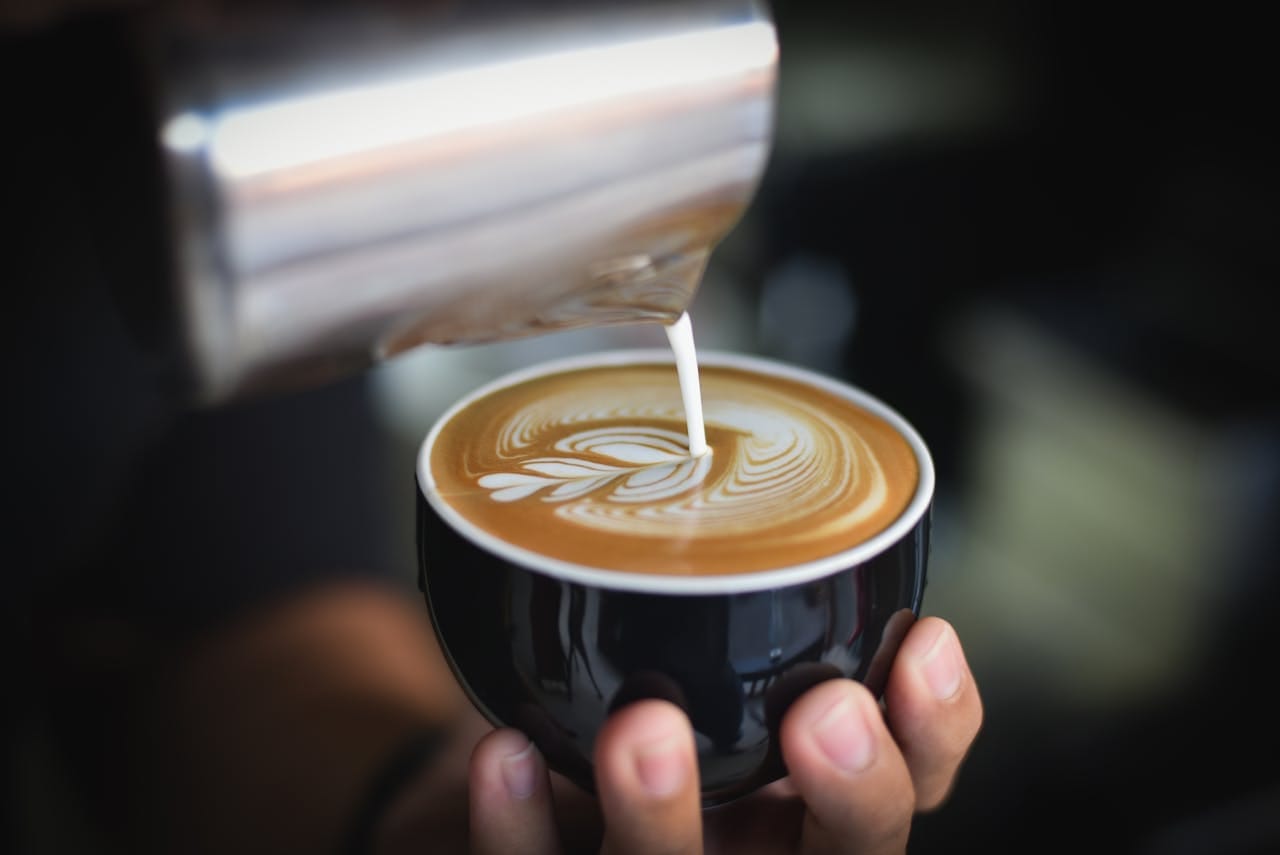
Those shops treated coffee as craft. They talked about beans from Ethiopia, Costa Rica, and Guatemala. They described flavors as fruity, floral, nutty, or bright. They explained processing methods and growing regions the way wine makers talked about vineyards. Espresso drinks became canvases. Latte art turned into proof that the barista cared. Ordering coffee stopped being a simple request and started to feel like participation in a culture.
When social media arrived, the shift accelerated. Coffee moved from a private routine to a shared ritual. Morning photos of steaming mugs and slow pour brews filled timelines. Coffee shops became the unofficial offices of freelancers, students, and remote workers. People met, worked, and lingered in the same space, each with a cup in hand. Communities formed around brewing methods. Some people swore by French press. Others preferred Chemex or Aeropress. Some claimed espresso as the purest expression of coffee. It became clear that the country was no longer just drinking coffee. The country was building identity around it.
The Power Of The Personal Ritual
Behind the cultural story lives something more quiet and personal. Many people do not drink coffee every single day, yet still talk about their ideal cup with real affection. Imagine a slow morning with no meeting alerts yet. You make an amazing breakfast sandwich or pick up a plain donut from the best local shop. You come home, open a bag of exotic beans, and the aroma hits first, warm and earthy. You grind the beans, listen to the soft crackle, and scoop them into a French press. Hot water meets grounds, the bloom rises, and a few minutes later you press down and pour what feels like the best cup of coffee you have ever made.
Moments like that explain why coffee rituals hold such power. The drink itself provides caffeine, but the real impact comes from everything around it. The repetition gives a sense of stability. The small acts of grinding, pouring, and pressing create a rhythm. The first sip marks the emotional start of the day, even if the clock says you have been awake for an hour already. Coffee becomes a frame that holds the morning together.
Rituals also bring people together. Friends meet in coffee shops to catch up. Colleagues use coffee breaks as a safe reason to step away from tasks. Families share a pot after dinner. In many homes, coffee is the closer at the end of a good meal. That final cup signals that the evening is winding down and conversation can wander anywhere. The drink carries the moment, but the connection is what lingers.
Espresso, Holidays, And A Strong Takeaway
This is where holidays like National Espresso Day step into the story. Celebrated each year on November twenty third, it shines a light on the tiny shot that changed so much about how Americans experience coffee. Espresso made it possible to serve concentrated flavor in seconds. It opened the door to drinks like cappuccinos, lattes, and macchiatos. It helped turn coffee shops into cultural hubs where people do far more than order and leave.
For anyone who enjoys coffee, connecting a personal ritual to a day like National Espresso Day adds another layer of meaning. Pulling a shot at home, or ordering a simple espresso at a shop, becomes a way to pause and acknowledge how this small drink altered the rhythm of daily life in the United States. It reminds you that something tiny can reshape habits, spaces, and social circles.
In the end, America is not truly obsessed with coffee itself. America is obsessed with what coffee rituals provide. A brief moment that feels fully yours. A way to wake the mind and set the mood. A shared language that makes it easier to sit down with someone and talk. Whether you favor a blonde roast in a French press, a double espresso after dinner, or a simple mug from a classic diner, the ritual is the real star.
That is the real takeaway. Coffee is the vessel, not the destination. The obsession is with the pause, the grounding, and the connection wrapped around the cup. In a culture that rarely slows down, a small coffee ritual offers something rare. A chance to breathe, reset, and remember that even in a busy world, some moments can still belong entirely to you.