Cinco de Mayo
May 5, 2026

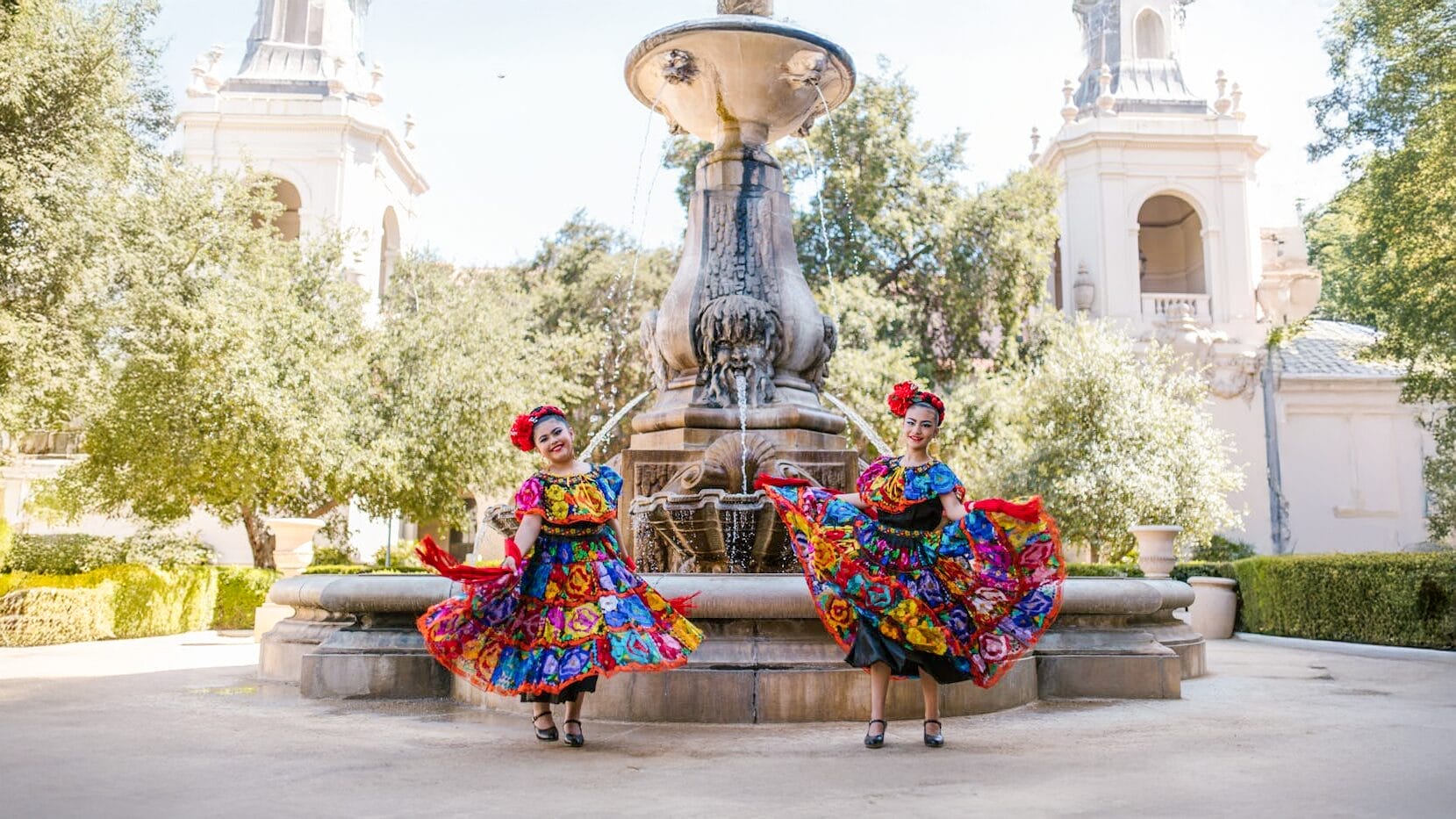
Cinco de Mayo may arrive each year in a whirlwind of mariachi melodies, folklórico skirts, and platters of tacos and mole poblano, but beneath the festive surface lies a powerful historical story. In 1862, Mexico was weakened by years of internal conflict and drowning in foreign debt. When President Benito Juárez suspended loan repayments, France — under Emperor Napoleon III — seized the moment to expand its empire. French troops advanced with the intent to overthrow Mexico’s government and install Archduke Maximilian of Austria as ruler. On May 5, near the city of Puebla, a young commander, General Ignacio Zaragoza, rallied a modest, poorly equipped force of indigenous villagers, farmers, and militia. From the fortified hills of Loreto and Guadalupe, they met the well-trained French army head-on. By sunset, the vastly outnumbered Mexican defenders had forced the French to retreat, securing an unexpected and morale-boosting victory.
The triumph at Puebla did not end the French invasion — reinforcements arrived, and Maximilian briefly ruled as emperor until 1867 — but the symbolism of the battle endured. It emboldened resistance across Mexico and delayed French support for the Confederate States during the U.S. Civil War. Meanwhile, Mexican communities in California, Texas, and Nevada began celebrating the victory as early as 1863. Many were miners, ranchers, and migrant families who identified strongly with Mexico’s struggle against foreign rule. They organized parades, rallies, and dances to honor Zaragoza’s victory and express solidarity from afar. Thus, Cinco de Mayo became a significant holiday in the Mexican diaspora long before it evolved into a mainstream U.S. celebration.
By the mid-20th century, Latino communities in the United States reimagined Cinco de Mayo as a celebration of cultural pride and a platform for Chicano civil rights activism. Festivals flourished in cities such as Los Angeles, Chicago, and Denver, featuring lowrider shows, ballet folklórico, Aztec dance, and community education programs. In the 1980s and 1990s, marketers commercialized the holiday, promoting themed parties, drink specials, and bright imagery. While commercialization sometimes obscures the holiday’s origins, many schools, cultural centers, and families use the day to teach history, honor Mexican contributions, and celebrate regional traditions from Oaxaca to Jalisco.
Today, Cinco de Mayo represents far more than a festive afternoon. It symbolizes courage against overwhelming odds, unity in the face of oppression, and the vibrant cultural mosaic of Mexican and Mexican American communities. Whether you’re standing in Puebla watching a cavalry reenactment or enjoying a picnic in a California park, the day invites reflection on how a small victory reverberated far beyond its battlefield. Amid piñatas, lime wedges, and spirited dancing, Cinco de Mayo continues to honor resilience, identity, and the enduring power of solidarity.
