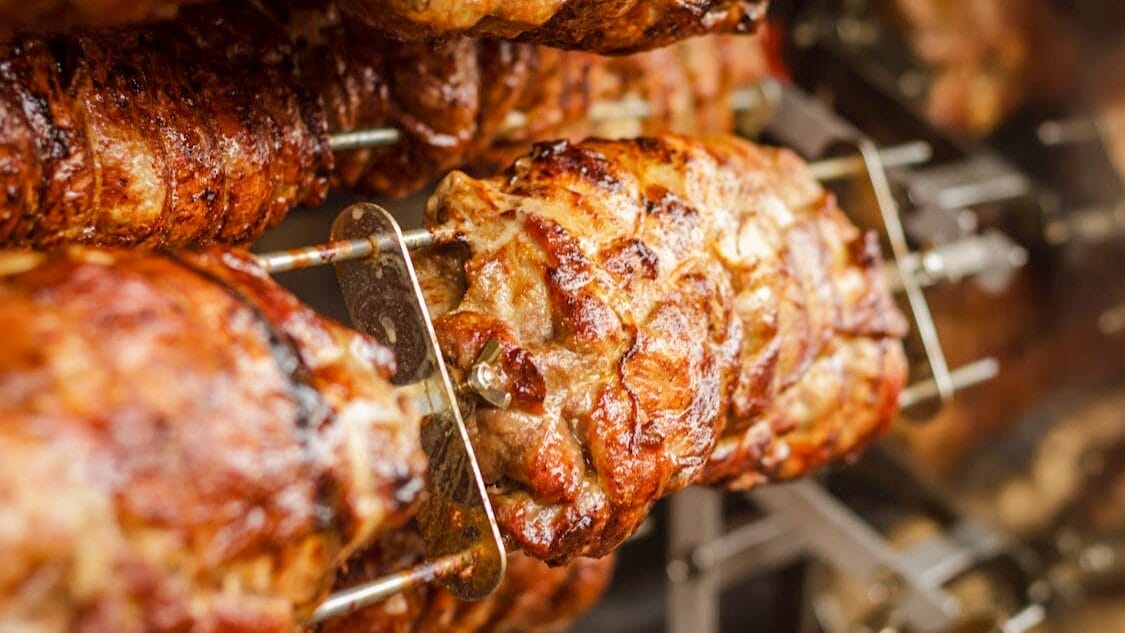
• National Meat Week

    The Role of Meat in Human History National Meat Week explores one of humanity’s oldest and most influential food sources. Long before agriculture, early humans relied on hunted meat for survival. Animal protein provided dense nutrition, essential fats and minerals that supported brain development and physical endurance. Archaeological evidence shows that cooperative hunting and meat […]

  • National Peanut Brittle Day

    The Origins of Peanut Brittle Peanut brittle is one of those candies that feels both rustic and precise, the result of simple ingredients transformed by careful timing and heat. Its exact origin is difficult to pin down, but most food historians agree that peanut brittle emerged in the United States during the late 19th century, […]

  • National Pistachio Day

    The Ancient Roots of Pistachios Pistachios are among the oldest cultivated nuts in human history, valued for both their flavor and their resilience. Native to regions of western Asia and the Middle East, pistachio trees thrive in hot, arid climates with long summers and cool winters. Archaeological evidence places pistachio consumption in what is now […]

  • International Environmental Education Day

    Origins and Historical Background of International Environmental Education Day International Environmental Education Day is observed annually on January 26 and emphasizes the role of education in addressing environmental challenges. The observance emerged from global efforts during the late twentieth century to integrate environmental awareness into formal and informal learning. Environmental education gained momentum as scientific […]

  • National Chocolate Cake Day

    The Evolution of Chocolate Cake Chocolate cake feels timeless, but it is a relatively modern invention shaped by scientific progress and changing tastes. For much of history, chocolate was consumed only as a beverage. In Mesoamerica, cacao was ground and mixed with water, spices and chiles to create bitter ceremonial drinks. When cacao reached Europe […]

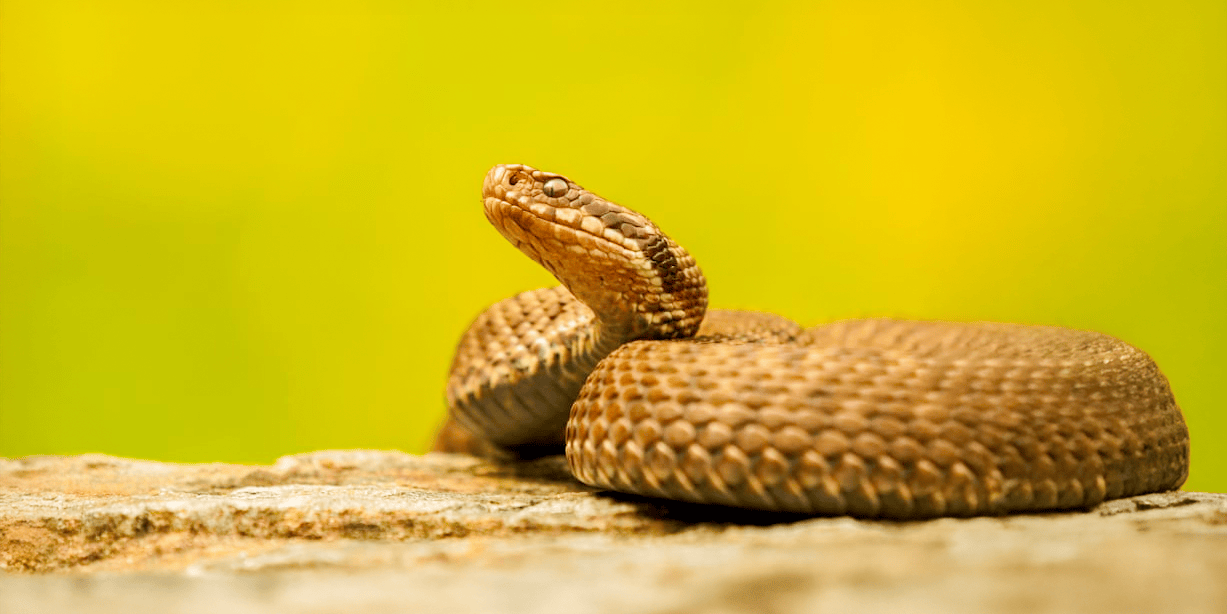
  • Rattlesnake Roundup Day

    Origins and Historical Context of Rattlesnake Roundup Day Rattlesnake Roundup Day refers broadly to observances and events historically held in various parts of the United States, particularly in the Southwest […]

  • Pop Art Day

    Pop Art Day

    Origins and Historical Background of Pop Art Day Pop Art Day is observed annually on January 24 and centers on the Pop Art movement, a significant artistic development that emerged […]

  • National Daisy Day

    Origins and Historical Background of National Daisy Day National Daisy Day is observed annually on January 28 and celebrates the daisy as a botanical symbol with deep historical and cultural […]

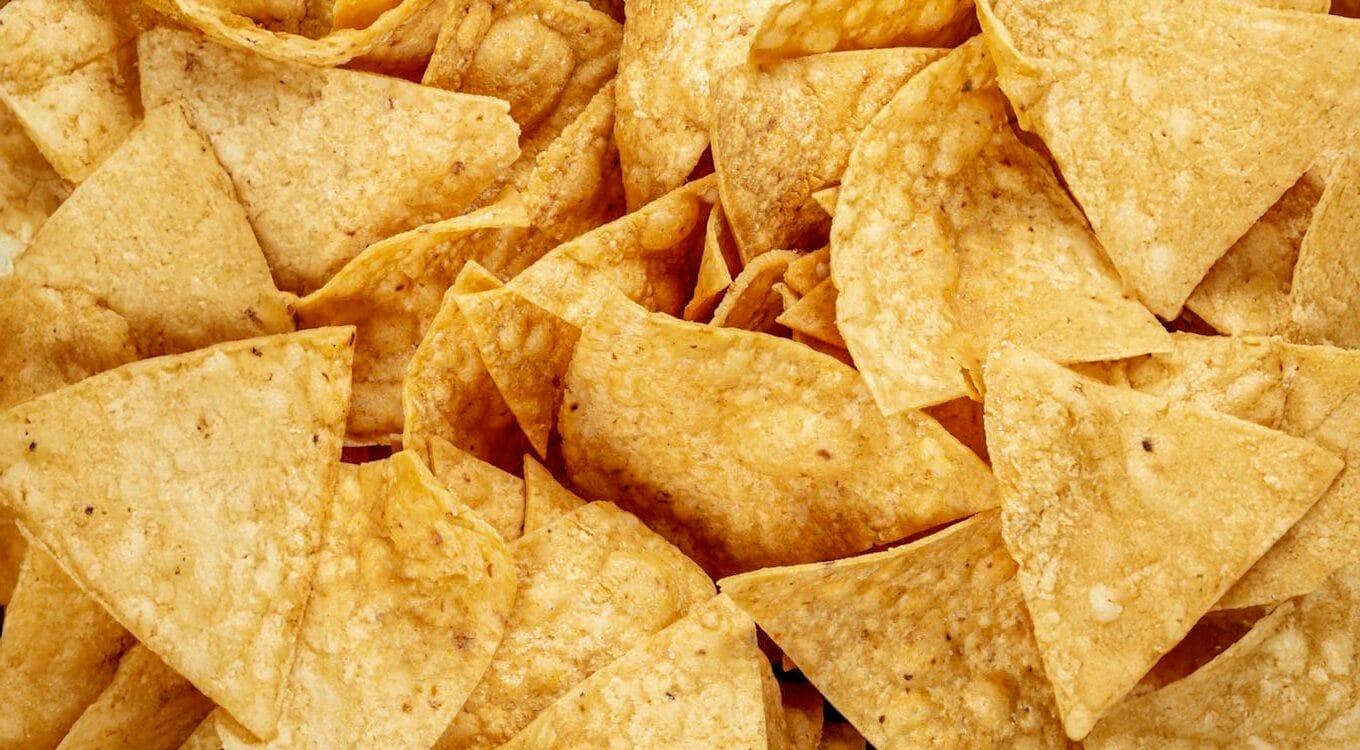
  • National Corn Chip Day

    How Corn Chips Became an American Staple Corn chips are one of the most recognizable snacks in American pantries, known for their sturdy crunch and bold corn flavor. Unlike tortilla […]

  • National Croissant Day

    The Origins of the Croissant The croissant is one of the most recognizable pastries in the world, defined by its crescent shape, delicate flake and unmistakable butter aroma. While it […]