• National Chocolate Cake Day

    The Evolution of Chocolate Cake Chocolate cake feels timeless, but it is a relatively modern invention shaped by scientific progress and changing tastes. For much of history, chocolate was consumed only as a beverage. In Mesoamerica, cacao was ground and mixed with water, spices and chiles to create bitter ceremonial drinks. When cacao reached Europe […]

  • National Blueberry Pancake Day

    A Fruit Native to the Land and a Breakfast That Endures National Blueberry Pancake Day, celebrated on January 28, brings together two foods deeply woven into North American history. Blueberries are one of the few fruits indigenous to this continent, harvested by Indigenous peoples for thousands of years before European settlement. Long before pancakes were poured […]

  • Rattlesnake Roundup Day

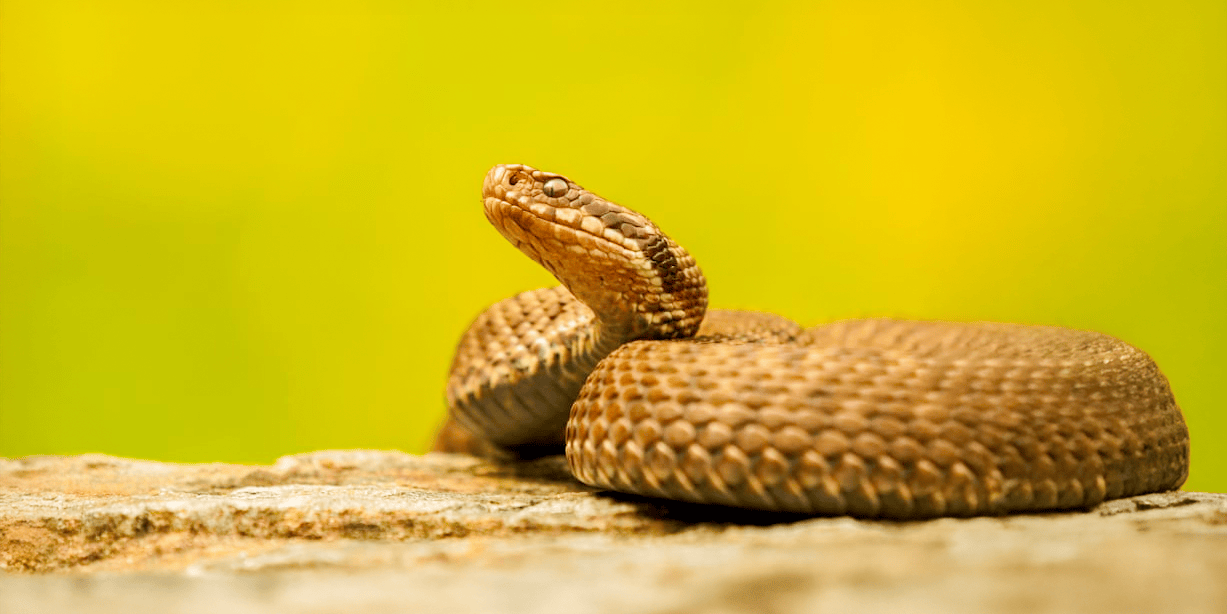
    Origins and Historical Context of Rattlesnake Roundup Day Rattlesnake Roundup Day refers broadly to observances and events historically held in various parts of the United States, particularly in the Southwest and Southern Plains, where rattlesnakes are native. These events emerged during the mid twentieth century as community gatherings intended to address public fear of venomous […]

  • Pop Art Day

    Pop Art Day

    Origins and Historical Background of Pop Art Day Pop Art Day is observed annually on January 24 and centers on the Pop Art movement, a significant artistic development that emerged during the mid twentieth century. The observance does not commemorate a single event or founding moment, but instead recognizes the cultural shift that Pop Art […]

  • National Daisy Day

    Origins and Historical Background of National Daisy Day National Daisy Day is observed annually on January 28 and celebrates the daisy as a botanical symbol with deep historical and cultural roots. The observance does not originate from a single proclamation or institution, but rather from longstanding recognition of the daisy’s prominence in art, folklore, and […]

  • National Corn Chip Day

    How Corn Chips Became an American Staple Corn chips are one of the most recognizable snacks in American pantries, known for their sturdy crunch and bold corn flavor. Unlike tortilla chips, which are made from masa produced through nixtamalization, corn chips are typically made from whole grain cornmeal that is mixed into a dough, shaped […]

  • Seeing-Eye Guide Dog Anniversary

    Origins and Historical Development of the Seeing-Eye Guide Dog Anniversary The Seeing-Eye Guide Dog Anniversary commemorates the founding of The Seeing Eye, the first guide dog training school in the United States, established in 1929. The organization was created to provide mobility and independence to people who are blind or visually impaired, drawing inspiration from […]

  • National Croissant Day

    The Origins of the Croissant The croissant is one of the most recognizable pastries in the world, defined by its crescent shape, delicate flake and unmistakable butter aroma. While it is closely associated with France, its story begins elsewhere in Europe. Crescent shaped breads existed long before the croissant, most notably the Viennese kipferl, a […]

  • Yodel For Your Neighbors Day

    Origins and Cultural Background of Yodel for Your Neighbors Day Yodel for Your Neighbors Day is observed annually on January 25 and is a lighthearted observance rooted in a much older musical tradition. While the holiday itself is modern and informal, yodeling as a vocal practice has existed for centuries, particularly in Alpine regions of […]

  • National Hot Chocolate Day

    A Warming Drink With Ancient Origins National Hot Chocolate Day, celebrated on January 31, honors a beverage that has brought comfort and warmth to people for more than two millennia. The earliest known chocolate drink dates back to around 1500 BC, created by the Olmec civilization in what is now Mexico. Later, the Maya and Aztecs refined […]

  • International Zebra Day

    Origins and Background of International Zebra Day International Zebra Day is observed annually on January 31 and is dedicated to raising awareness about zebra conservation and the challenges facing zebra species in the wild. The observance emerged from wildlife conservation efforts rather than from a single founding organization or historical event. Zebras are native to […]

  • National Storytelling Week

    Origins and Historical Foundations of National Storytelling Week National Storytelling Week is observed annually during late January or early February and is dedicated to the practice of oral storytelling as a cultural, educational, and communal tradition. The observance originated in the United Kingdom in the late twentieth century as part of efforts to preserve and […]