• Pisco Sour Day

    Pisco Sour Day

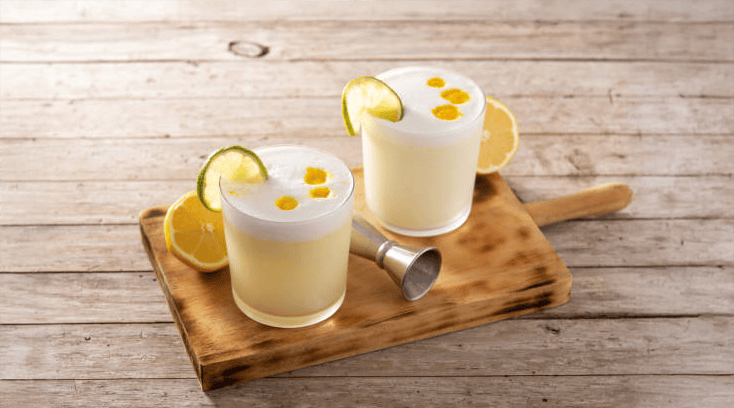
    Origins and Historical Background of Pisco Sour Day Pisco Sour Day is observed annually in early February and honors a cocktail that reflects complex layers of regional identity, migration, and cultural exchange in South America. The pisco sour is most strongly associated with Peru, where it is regarded as a national drink, though its history […]

  • Molasses Bar Day

    Origins and Historical Background of Molasses Bar Day Molasses Bar Day is observed annually in early February and highlights a baked good closely tied to historical sugar production, trade, and domestic cooking. Molasses bars emerged during periods when refined sugar was scarce or expensive, making molasses a practical alternative. Molasses is a byproduct of sugar […]

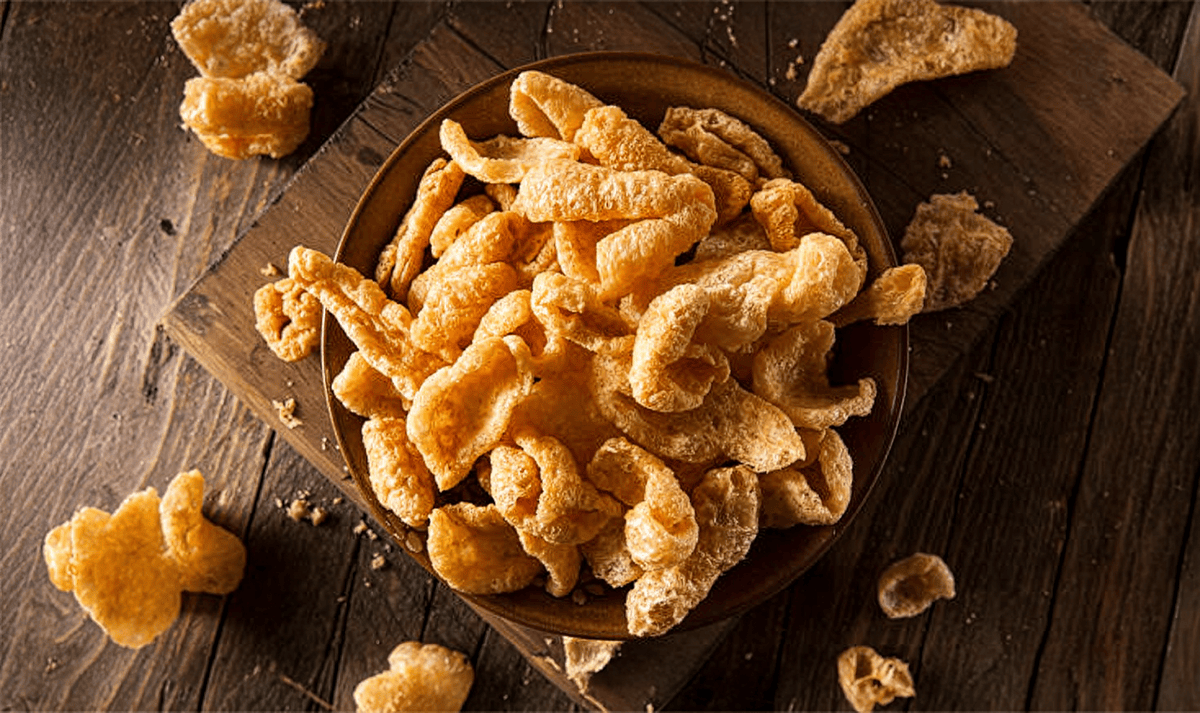
  • Pork Rind Appreciation Day

    Origins and Historical Background of Pork Rind Appreciation Day Pork Rind Appreciation Day is observed annually in early February and centers on a food that reflects long-standing practices of resourcefulness, preservation, and whole-animal use. Pork rinds, also known as chicharrones in many cultures, originated not as a snack food but as a practical byproduct of […]

  • National Kraut and Frankfurter Week

    Origins and Historical Background of National Kraut and Frankfurter Week National Kraut and Frankfurter Week is observed annually in early February and centers on two foods whose histories are deeply intertwined with preservation, migration, and industrialization. Sauerkraut and frankfurters originated in Central Europe, particularly in German-speaking regions, where climate and seasonal scarcity shaped food traditions. […]

  • Super Chicken Wing Day

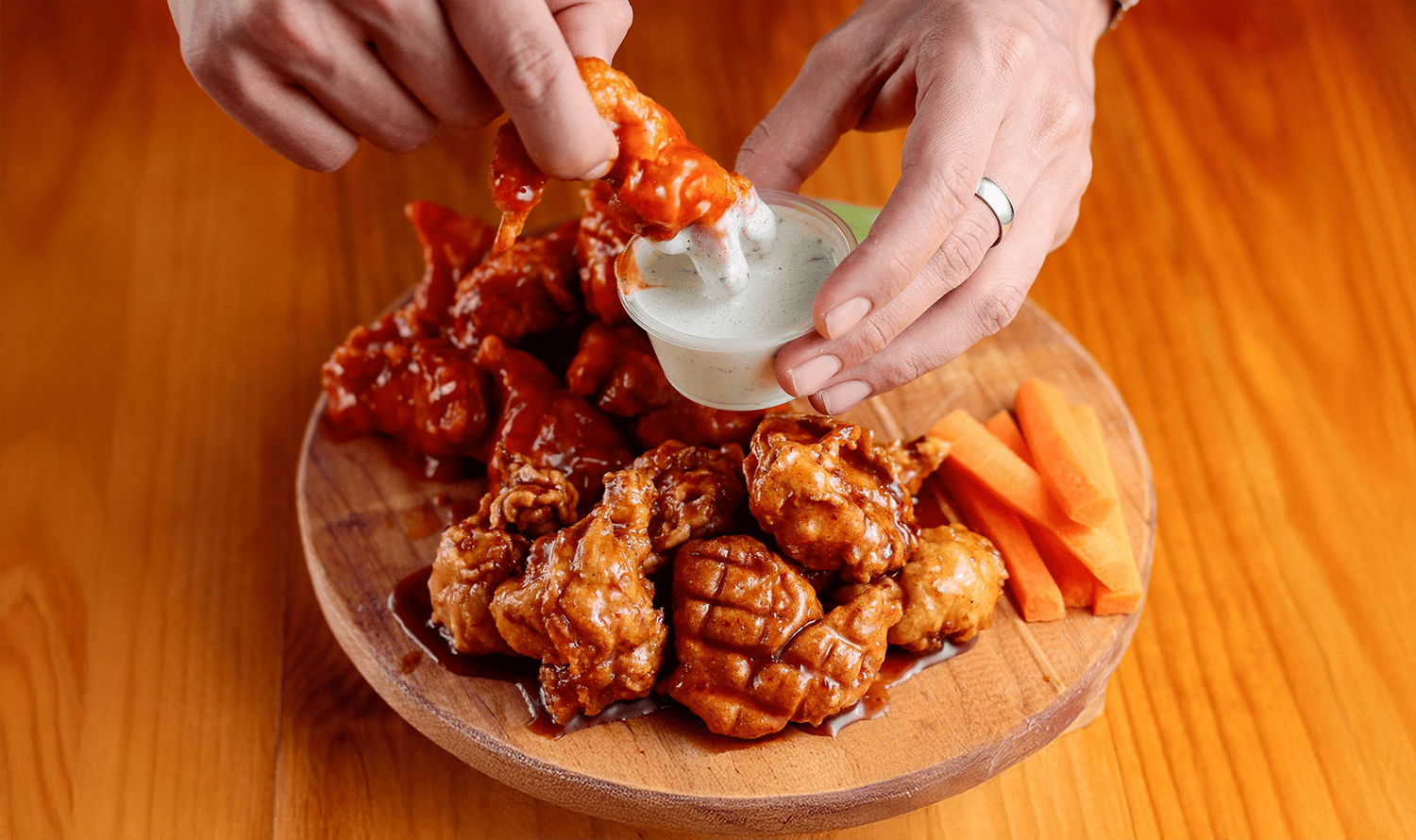
    Origins and Historical Background of Super Chicken Wing Day Super Chicken Wing Day is observed annually in early February and celebrates chicken wings as a staple of communal eating, particularly in connection with sporting events. Chicken wings were once a marginal cut, valued primarily for stock rather than standalone dishes. The transformation of chicken wings […]

  • Autism Sunday

    Autism Sunday

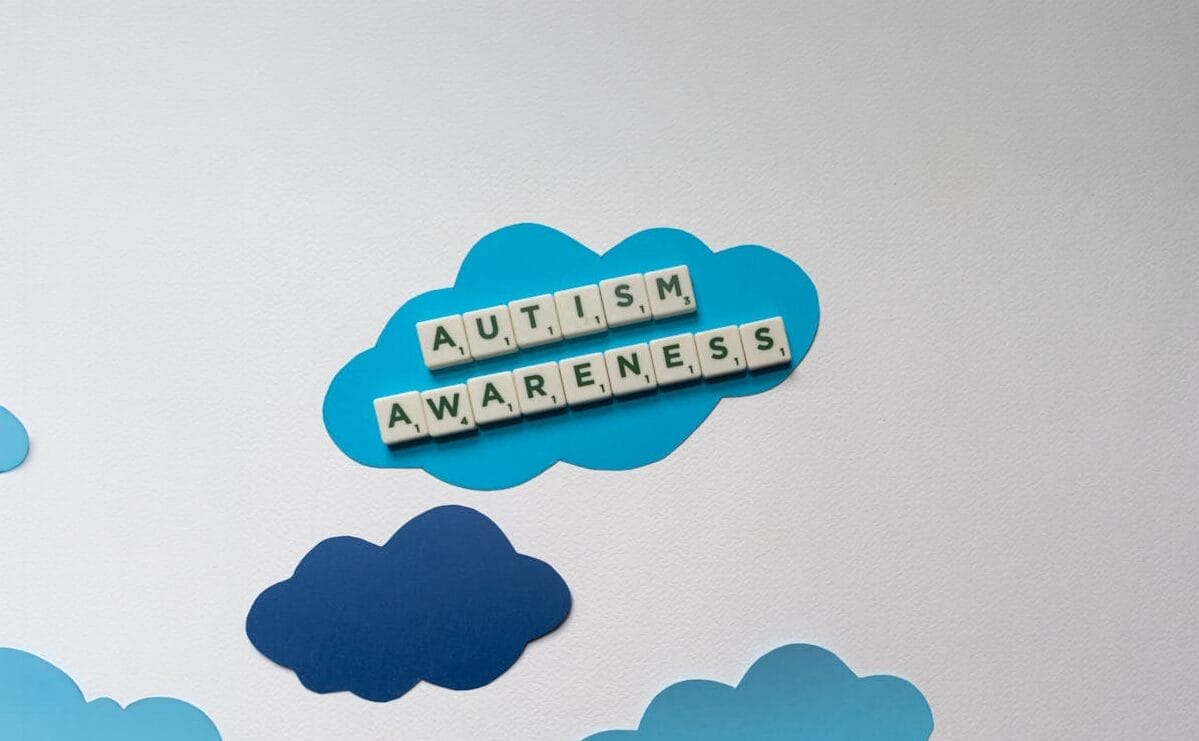
    Autism Sunday is observed annually on the second Sunday in February. The observance was established in 2002 by Ivan and Charika Corea, founders of the United Kingdom based Christian organization Prospects for People with Learning Disabilities. The initiative originated as a church based awareness day focused on inclusion and support for individuals with autism and […]

  • National Bagels and Lox Day

    Origins and Historical Background of National Bagels and Lox Day National Bagels and Lox Day is observed annually in early February and centers on a food pairing shaped by migration, preservation, and cultural adaptation. The combination of bagels and lox is most closely associated with Jewish culinary tradition, particularly as it developed in Eastern Europe […]

  • Oatmeal Monday

    Oatmeal Monday

    Origins and Historical Background of Oatmeal Monday Oatmeal Monday is observed annually in early February and highlights oatmeal as a foundational food shaped by climate, agriculture, and necessity. Oats have been cultivated for thousands of years, particularly in regions where wheat struggled to thrive. In Northern Europe and parts of Scotland and Ireland, oats became […]

  • Pizza Pie Day

    Pizza Pie Day

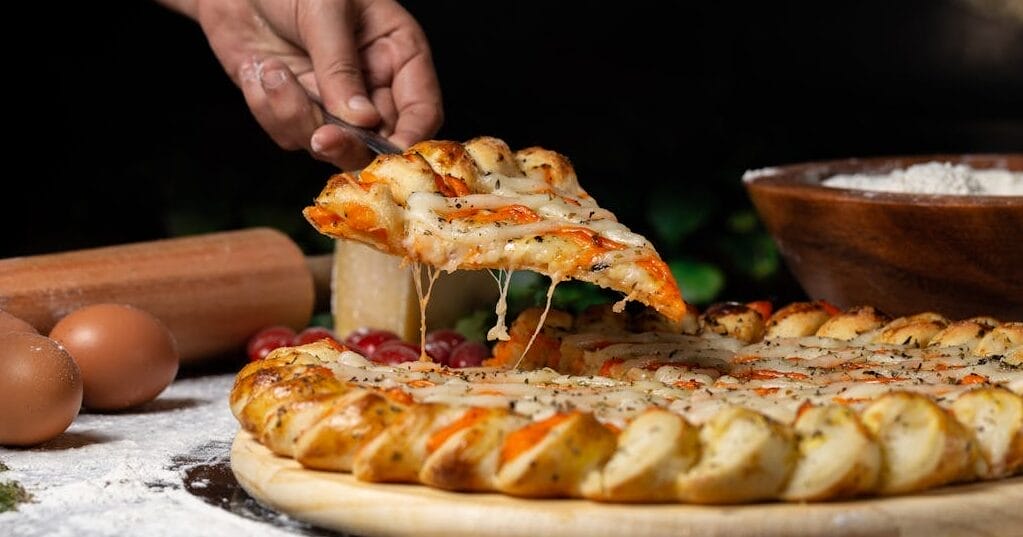
    Origins and Historical Background of Pizza Pie Day Pizza Pie Day is observed annually in early February and celebrates pizza as a food that reflects both regional specificity and global transformation. Pizza originated in Naples, Italy, where flatbreads topped with simple ingredients served as affordable nourishment for working populations. Early forms of pizza were shaped […]

  • National Jell-O Week

    Origins and Historical Background of National Jell-O Week National Jell-O Week is observed annually in early February and centers on a food product that reflects the rise of industrial food processing, domestic convenience, and twentieth-century American identity. Gelatin-based desserts existed long before Jell-O, but their preparation was historically labor-intensive and reserved for wealthy households with […]

  • Chocolate Day

    Chocolate Day

    Origins and Historical Background of Chocolate Day Chocolate Day is observed annually in early February and centers on chocolate as a food with ancient origins and global cultural impact. Chocolate begins with cacao, a crop cultivated and revered by Indigenous civilizations in Mesoamerica long before European contact. The earliest cacao preparations were unsweetened beverages consumed […]

  • International Epilepsy Day

    International Epilepsy Day is observed annually on the second Monday in February. It was established in 2015 by the International Bureau for Epilepsy and the International League Against Epilepsy. The date was selected to provide a coordinated global awareness day distinct from National Epilepsy Awareness Month observances in various countries. The International Bureau for Epilepsy […]