National Blueberry Pie Day
April 28, 2026

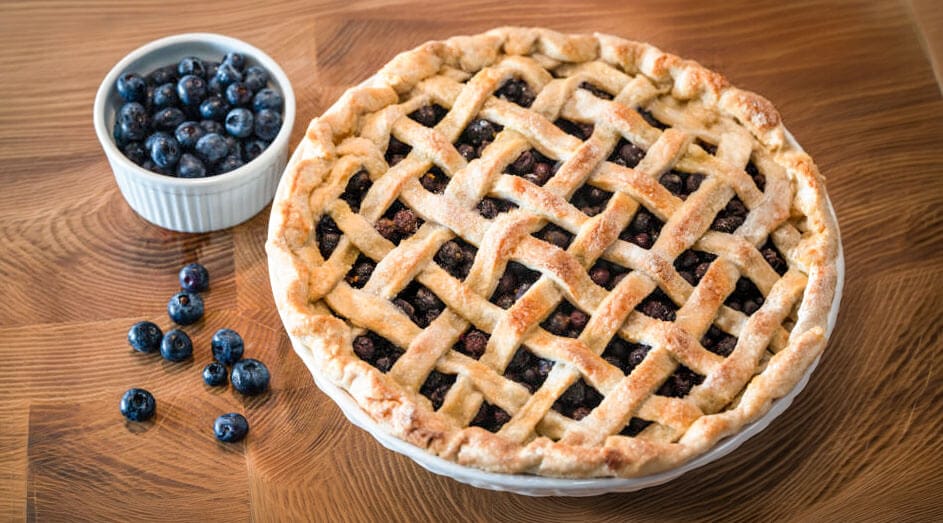
National Blueberry Pie Day is observed annually on April 28th throughout the United States, celebrating the classic American dessert that showcases sweet-tart blueberries encased in flaky pastry. This pie-focused holiday honors a preparation that represents summer’s bounty preserved in dessert form, combining indigenous North American fruit with European baking traditions. Unlike celebrations focused on year-round available ingredients, National Blueberry Pie Day recognizes a dessert deeply connected to seasonal cycles and regional fruit production, particularly in states like Maine, Michigan, and New Jersey where commercial blueberry cultivation thrives. The observance is primarily recognized in the United States, where fruit pies occupy central positions in dessert culture from Fourth of July celebrations to diner menus nationwide. This blueberry celebration falls within the broader category of fruit pie observances but distinguishes itself through blueberries’ distinctive flavor profile, staining properties that create dramatic purple filling, and cultural associations with American summers and patriotic gatherings. Whether prepared with wild blueberries for intense flavor, cultivated berries for size and sweetness, or frozen fruit that extends blueberry pie beyond summer months, National Blueberry Pie Day invites bakers and pie enthusiasts to appreciate a dessert that captures ephemeral berry season in pastry-wrapped perfection.
Blueberries are among the few fruits native to North America, with indigenous peoples harvesting wild blueberries for thousands of years before European contact. Native American tribes dried blueberries for winter storage, incorporated them into pemmican (preserved meat and fat mixture), and used them medicinally. Early European colonists learned about blueberries from Native Americans, adopting the fruit into their diets while maintaining European baking traditions that would eventually lead to blueberry pie’s development.
Wild blueberries remained the only source until the early 20th century when USDA botanist Frederick Coville developed techniques for cultivating blueberries from wild stock. Working with blueberry enthusiast Elizabeth White, whose family owned cranberry bogs in New Jersey, Coville successfully domesticated blueberries between 1908 and 1916. This achievement transformed blueberries from foraged wild fruit to agricultural crop that farmers could plant, tend, and harvest reliably. The cultivated varieties produced larger berries than wild types, though many prefer wild blueberries’ more intense flavor.
The development of commercial blueberry cultivation enabled consistent supply that made blueberry pie practical beyond the brief wild harvest season. Farmers in states with acidic soils and appropriate climates, particularly Maine, Michigan, New Jersey, and later Oregon and Washington, planted blueberry bushes commercially. The fruit’s appeal extended beyond fresh consumption to baking applications where the berries’ ability to hold shape during cooking while releasing flavorful juice made them ideal pie fillings. Unlike strawberries or raspberries that could become mushy, blueberries maintained integrity while creating thick, syrupy filling.
Pie itself arrived in America with English colonists who brought pastry-making traditions from their homeland. The combination of pastry crust and fruit filling represented English heritage adapted to available American ingredients. As blueberries became more accessible through cultivation, bakers naturally incorporated them into pie recipes, creating distinctly American preparation featuring indigenous fruit in European-derived format. This fusion exemplifies how American cuisine developed through combining Old World techniques with New World ingredients.
The timeline of blueberry pie’s popularity reflects blueberry cultivation development and changing American dessert preferences. In the early American period, wild blueberry pies appeared regionally where wild berries grew abundantly, particularly in northeastern states. The pies remained seasonal specialties, available only during the brief harvest window when families could gather enough berries for baking. Preservation techniques like canning or drying blueberries existed but remained labor-intensive.
The early 1900s brought cultivated blueberries that extended availability beyond wild harvest seasons. Frederick Coville’s successful domestication work beginning in 1908 created foundation for commercial blueberry farming. By the 1920s, commercial blueberry production had established itself sufficiently that blueberries appeared more regularly in markets, making blueberry pie more accessible to urban populations distant from wild blueberry regions. Cookbooks began including blueberry pie recipes alongside more common apple and cherry varieties.
The mid-20th century saw blueberry pie gain national recognition as improved transportation and storage extended blueberry availability geographically and seasonally. The development of frozen blueberries in the 1950s proved particularly transformative, allowing year-round blueberry pie baking independent of fresh fruit seasons. Frozen berries maintained quality surprisingly well, making them practical substitutes for fresh in baking applications. Canned blueberry pie filling also appeared, though purists maintained that fresh or frozen whole berries produced superior results.
The post-World War II era established blueberry pie as patriotic dessert alongside apple pie, with the berries’ blue color, combined with red strawberries and white whipped cream, creating flag-colored presentations popular at Fourth of July celebrations. Diners and pie shops featured blueberry pie prominently on summer menus, often highlighting local berry sources when available. The pie became associated particularly with New England and Maine, where wild blueberry traditions remained strong and pride in local fruit ran deep.
Contemporary blueberry pie culture includes traditional double-crust versions alongside lattice-topped variations, crumble-topped pies, and individual hand pies. The health food movement promoted blueberries as superfoods high in antioxidants, creating halo effect that extended even to pie applications despite the sugar and pastry. National Blueberry Pie Day emerged within this context of established tradition and ongoing appreciation, likely through food blogger enthusiasm and bakery marketing, celebrating a dessert that had evolved from seasonal specialty to year-round possibility while maintaining essential character.
National Blueberry Pie Day matters because it celebrates an indigenous North American fruit that has become cultivated success story while maintaining wild harvest traditions. Blueberries represent one of the few major fruits native to North America that achieved commercial cultivation and global export rather than remaining purely foraged wild food. The holiday honors both the agricultural achievement of domestication and the persistence of wild blueberry harvesting traditions, particularly in Maine where wild blueberry barrens continue supplying distinctive small, intense berries prized by pie purists.
The observance highlights seasonal eating and the connection between fruit availability and baking traditions. While frozen blueberries enable year-round pie baking, fresh blueberry season retains special significance, marking summer’s arrival and providing occasion for celebration of local harvests. The holiday encourages appreciation for seasonal rhythms and the particular pleasure of fruits eaten at peak ripeness during their natural growing periods. This seasonal consciousness matters increasingly as year-round availability of all foods disconnects many consumers from agricultural cycles.
From a culinary perspective, National Blueberry Pie Day celebrates the technical challenges and rewards of fruit pie baking. Achieving proper filling consistency, preventing bottom crust sogginess, and creating flaky pastry requires skill and practice that distinguish accomplished bakers from novices. Blueberries present specific challenges through their high juice content and staining properties that demand careful technique. The holiday provides opportunity to discuss pastry science, thickening agents, and the techniques that ensure success rather than disappointing results.
The regional dimension adds cultural depth, as different areas maintain distinct blueberry pie traditions. Maine wild blueberry pie differs significantly from Michigan cultivated berry versions, with variations in berry size, intensity, and sugar requirements affecting final results. These regional specialties demonstrate how even simple desserts reflect local ingredients and preferences. The holiday encourages exploration of regional food cultures and appreciation for local specialties that make American cuisine diverse rather than uniform.
National Blueberry Pie Day also matters as celebration of desserts that showcase fruit rather than overwhelming it with excessive sweetness or complicated additions. Blueberry pie succeeds when it allows blueberries to shine, with just enough sugar to balance tartness and enough thickening to create cohesive filling without turning berries into jam. This restraint honors ingredients rather than transforming them beyond recognition. In celebrating blueberry pie, we honor indigenous American fruits, the farmers who cultivate them and harvesters who gather wild ones, the bakers who transform them into pastry-wrapped summer, and the simple truth that sometimes perfect dessert requires nothing more than excellent fruit, flaky crust, and technique refined through practice.