National Fresh Squeezed Juice Day
January 15, 2026

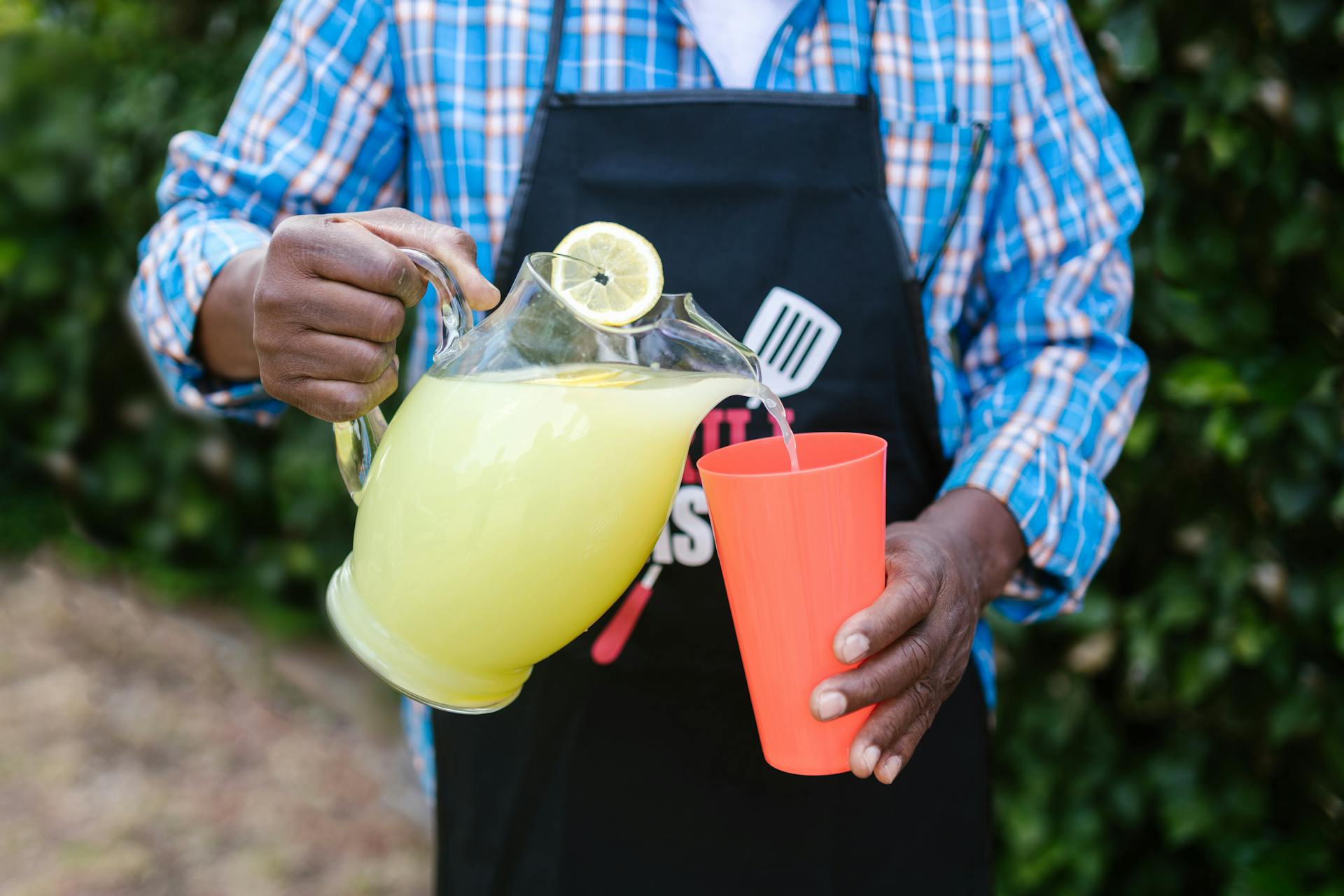
National Fresh Squeezed Juice Day celebrates one of the most direct ways humans have enjoyed fruits and vegetables for thousands of years. Long before blenders, bottling plants, or refrigeration, people crushed and pressed plants by hand to extract their liquids. Ancient Egyptians pressed grapes, figs, and pomegranates for both nutrition and ritual use. In the Mediterranean world, citrus juices were valued not only for flavor but also for their perceived medicinal qualities. Hippocrates wrote about fruit juices as part of a balanced diet, and Roman physicians prescribed citrus and grape juices to aid digestion and hydration.
The widespread use of fresh squeezed juice expanded as trade routes introduced new fruits to different regions. Oranges and lemons traveled from Southeast Asia to the Middle East and Europe, while pineapples and tomatoes crossed the Atlantic after European contact with the Americas. By the seventeenth and eighteenth centuries, citrus juice became essential aboard ships to prevent scurvy, firmly establishing its role in public health. Sailors rationed lemon and lime juice daily, proving that fresh juice could be both preventative medicine and nourishment.
Fresh squeezed juice stands apart from processed juice because it reflects the fruit exactly as it is at the moment of extraction. There is no pasteurization, concentration, or reconstitution. The flavor, aroma, and nutrient profile are intact but fleeting. Historically, this immediacy made fresh juice a luxury tied to season and geography. National Fresh Squeezed Juice Day honors that immediacy and the human instinct to consume food as close to its natural state as possible.
Fresh squeezed juice differs from bottled or shelf-stable juice in ways that go beyond taste. When fruit is juiced and immediately consumed, enzymes, volatile aromatics, and delicate vitamins remain active. Vitamin C, for example, begins to degrade soon after exposure to air and light. Fresh juice delivers this nutrient at its peak, along with naturally occurring antioxidants and phytonutrients that often diminish during processing.
The sensory experience is also distinct. Fresh orange juice has natural bitterness from the peel oils, brightness from acids, and subtle sweetness that varies by variety and ripeness. Apple juice tastes grassy and floral when freshly pressed, while carrot juice reveals earthy sweetness that is often muted in bottled versions. Fresh green juices made from kale, celery, or cucumber retain their vegetal bite, reminding the drinker that juice is not simply a sweet beverage but a concentrated form of produce.
There is also an element of intention in fresh squeezed juice. It requires selection, preparation, and time. Washing fruit, cutting it, and pressing it by hand or machine creates awareness of ingredients and portions. This process often results in more mindful consumption. Rather than drinking juice absentmindedly from a bottle, fresh squeezed juice becomes an event, whether it is a morning ritual, a shared brunch drink, or a seasonal refreshment.
National Fresh Squeezed Juice Day highlights this distinction. It encourages people to see juice not as a commodity but as a living food with a short window of vitality. The day reframes juice as something made, not bought, and as an experience rather than a product.
Celebrating National Fresh Squeezed Juice Day can be simple or expansive, depending on interest and access. At its most basic, it can mean squeezing a single orange and drinking it immediately, noticing how different it tastes from store-bought juice. For those with juicers or presses, it can become an opportunity to experiment with combinations. Classic blends like orange and grapefruit offer balance, while apple and ginger bring warmth and spice. Vegetable-forward juices such as carrot and beet highlight natural sweetness without relying on added sugar.
The day is also an opportunity to learn about sourcing. Fresh juice is only as good as the produce used. Seasonal fruits tend to yield better flavor and higher nutrient density. Visiting a local farmers market, orchard, or produce stand connects the act of juicing to agriculture and seasonality. Understanding where fruit comes from and how it was grown deepens appreciation for the juice itself.
National Fresh Squeezed Juice Day can also spark conversations about health without drifting into extremes. Fresh juice is not a cure-all, nor is it inherently harmful. It is one way to consume fruits and vegetables, best enjoyed as part of a broader diet that includes whole foods and fiber. Pairing juice with meals or blending it with pulp retained can help balance blood sugar and satiety.
Finally, the day invites reflection on slowness and care. Fresh squeezed juice cannot be rushed or stockpiled. It asks for presence. Whether enjoyed alone in a quiet morning kitchen or shared with others at a table, it represents a pause from convenience culture. National Fresh Squeezed Juice Day reminds us that some of the most nourishing foods are temporary by nature and that their value lies in being fully experienced before they fade.
