National Prime Rib Day
April 27, 2026

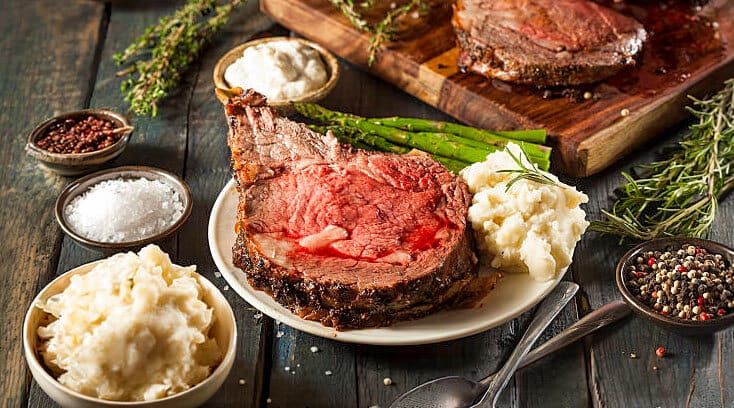
National Prime Rib Day is observed annually on April 27th throughout the United States, celebrating the luxurious beef roast that represents the pinnacle of American steakhouse dining and special occasion home cooking. This meat-focused holiday honors prime rib, the standing rib roast that combines marbled beef, slow roasting technique, and dramatic presentation into one of the most impressive and indulgent dishes in American cuisine. Unlike celebrations focused on casual or everyday foods, National Prime Rib Day recognizes a premium cut associated with celebration, prosperity, and culinary achievement. The observance is primarily recognized in the United States, where prime rib occupies revered positions on steakhouse menus, holiday tables, and in the memories of diners who recall its succulent tenderness and rich flavor. This beef celebration falls within the broader category of protein-focused observances but distinguishes itself through prime rib’s specific preparation requirements, premium pricing, and cultural associations with abundance and festivity. Whether served as rare roast with au jus and horseradish cream, sliced tableside at upscale restaurants, or prepared at home for Christmas dinner, National Prime Rib Day invites meat lovers to appreciate a dish that transforms excellent ingredients through careful technique into unforgettable dining experiences.
Prime rib’s story begins with beef cattle ranching’s expansion across America in the 19th century, when vast western grasslands supported massive herds that supplied growing urban populations with beef. The standing rib roast, cut from the primal rib section, represented one of the most desirable portions due to marbling, tenderness, and flavor. The name “prime rib” can create confusion, as it doesn’t necessarily mean USDA Prime grade beef, though the highest-quality versions do use Prime grade. Rather, the name references the primal rib cut and its status as premier roast.
The preparation technique that defines prime rib emerged from traditional roasting methods adapted to this specific cut. Standing rib roasts, left on the bone with fat cap intact, benefit from slow roasting at moderate temperatures that render fat gradually while allowing even heat penetration to the roast’s center. This technique, refined over decades in restaurant kitchens and home ovens, creates the characteristic texture gradient from crusty exterior to pink, tender interior that prime rib enthusiasts prize. The bones serve dual purposes: conducting heat efficiently while adding flavor through rendered marrow and connective tissue.
American steakhouses elevated prime rib to iconic status beginning in the late 19th and early 20th centuries. Establishments in major cities featured prime rib prominently, often serving it from rolling carts where waiters carved portions to order tableside. This theatrical presentation emphasized the roast’s size and quality while allowing diners to specify their preferred doneness. Steakhouses positioned prime rib as signature offering alongside porterhouses and New York strips, creating the triumvirate of premium beef cuts that defined American chophouse menus.
The mid-20th century saw prime rib spread beyond steakhouses into home cooking, particularly for holiday meals and special occasions. Improved refrigeration and distribution made quality beef available nationwide, while cookbooks and women’s magazines provided detailed roasting instructions that demystified the technique for home cooks. Christmas and New Year’s celebrations frequently featured prime rib as centerpiece, with the impressive roast signaling abundance and celebration. The cut’s capacity to feed crowds while requiring relatively little active cooking time made it practical for entertaining despite its premium price.
The timeline of prime rib’s prominence in American dining reflects broader trends in beef consumption, restaurant culture, and home cooking ambitions. In the late 1800s, western cattle ranching and railroad distribution made beef increasingly available in eastern cities, where steakhouses began featuring quality cuts including rib roasts. The early 1900s brought refined cooking techniques and formalized service styles that elevated prime rib from simple roast to sophisticated dining experience.
The post-World War II era marked prime rib’s golden age as American prosperity and suburban expansion created large middle class with disposable income for steakhouse dining and premium home cooking. The 1950s and 1960s saw prime rib become staple offering at chophouses nationwide, with chains like Lawry’s The Prime Rib establishing themselves specifically around this signature dish. The theatrical tableside carving service became expected ritual, with white-jacketed servers presenting massive roasts on silver carts and carving portions with practiced precision.
The 1970s brought prime rib into Sunday dinner traditions as many restaurants offered special prime rib promotions to attract weekend crowds. All-you-can-eat prime rib buffets appeared in Las Vegas and other tourism destinations, democratizing access to a cut previously reserved for special occasions or expensive steakhouses. Home cooks increasingly attempted prime rib for holidays, with cooking schools and television shows providing instruction on proper technique, temperature management, and presentation.
The late 20th century saw evolving attitudes toward beef consumption as health concerns about saturated fat and cholesterol led some consumers to reduce red meat intake. Prime rib, with its abundant marbling and fat cap, represented precisely the type of indulgent beef that health authorities cautioned against. However, the cut maintained devoted following among those who viewed occasional indulgence as acceptable or rejected health guidance entirely. Steakhouses continued featuring prime rib prominently, positioning it as celebration food rather than everyday fare.
Contemporary prime rib culture includes traditional preparations alongside innovations like herb crusts, compound butter toppings, and reverse-searing techniques that some chefs claim produce superior results. The rise of sous vide cooking introduced precision temperature control that appeals to home cooks seeking foolproof methods. Dry-aging programs at high-end steakhouses command premium prices for enhanced flavor intensity. National Prime Rib Day emerged within this mature culinary landscape, celebrating both traditional preparations and contemporary innovations around this classic American roast.
National Prime Rib Day matters because it celebrates American prosperity and the cultural association between quality beef and celebration. Prime rib represents affordable luxury, expensive enough to signal special occasions yet accessible to middle-class diners willing to splurge occasionally. The holiday acknowledges this position bridging everyday and extraordinary, honoring food that marks transitions from ordinary meals to memorable dining experiences. In celebrating prime rib, we recognize how certain foods acquire meaning beyond nutrition through their association with celebration and abundance.
The observance highlights the importance of technique in transforming excellent ingredients into exceptional results. Prime rib succeeds only when properly prepared, with careful attention to temperature, timing, and resting periods that allow juices to redistribute. The difference between perfectly cooked prime rib and mediocre versions depends entirely on execution rather than ingredients, demonstrating that quality sourcing alone doesn’t guarantee quality outcomes. The holiday provides opportunity to discuss cooking techniques and the skills that separate competent from excellent preparations.
From a cultural perspective, National Prime Rib Day honors American steakhouse traditions that created distinctive dining experiences around premium beef. The tableside carving ritual, specialized equipment like rib roasting pans and meat thermometers, and service conventions surrounding prime rib all represent refined restaurant culture that emerged from decades of practice and customer expectations. Understanding these traditions connects contemporary diners to culinary history and the evolution of American restaurant service standards.
The economic dimension adds contemporary relevance, as premium beef production supports ranchers, processors, distributors, and restaurants employing thousands across supply chains. The willingness of consumers to pay significant premiums for quality beef sustains agricultural systems focused on marbling, breeding, and finishing techniques that produce superior eating experiences. The holiday reminds us that food prices reflect not just ingredients but the expertise, time, and care invested in production and preparation.
National Prime Rib Day also matters as reminder that certain indulgences justify their costs through delivering experiences impossible to replicate with cheaper alternatives. While health guidance suggests moderating red meat consumption, and environmental concerns highlight beef production’s resource intensity, prime rib represents the type of occasional indulgence that many people reserve for truly special occasions. The holiday validates these choices, acknowledging that perfect execution of premium ingredients creates memories and pleasure worth the expense and calories. In celebrating prime rib, we honor American beef heritage, steakhouse culture, the satisfaction of mastering challenging cooking techniques, and the simple truth that sometimes nothing else will do when the occasion demands impressive centerpiece that delivers uncompromising beef flavor.
