A Warming Drink With Ancient Origins National Hot Chocolate Day, celebrated on January 31, honors a beverage that has brought comfort and warmth to people for more than two millennia. The earliest known chocolate drink dates back to around 1500 BC, created by the Olmec civilization in what is now Mexico. Later, the Maya and Aztecs refined […]
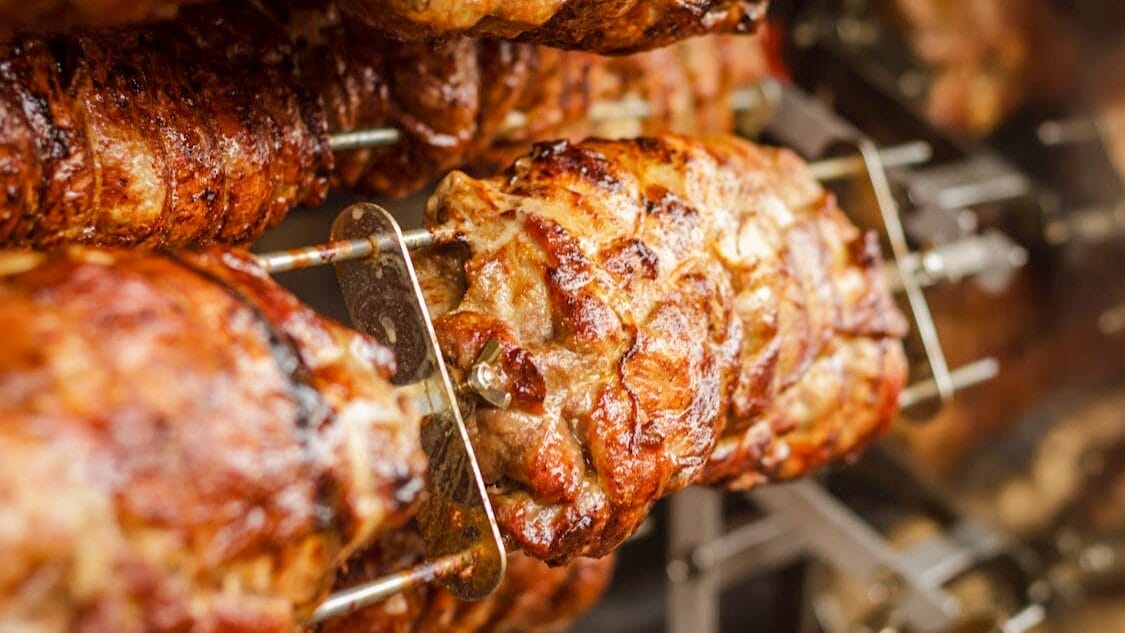
The Role of Meat in Human History National Meat Week explores one of humanity’s oldest and most influential food sources. Long before agriculture, early humans relied on hunted meat for survival. Animal protein provided dense nutrition, essential fats and minerals that supported brain development and physical endurance. Archaeological evidence shows that cooperative hunting and meat […]
Origins and Background of International Zebra Day International Zebra Day is observed annually on January 31 and is dedicated to raising awareness about zebra conservation and the challenges facing zebra species in the wild. The observance emerged from wildlife conservation efforts rather than from a single founding organization or historical event. Zebras are native to […]
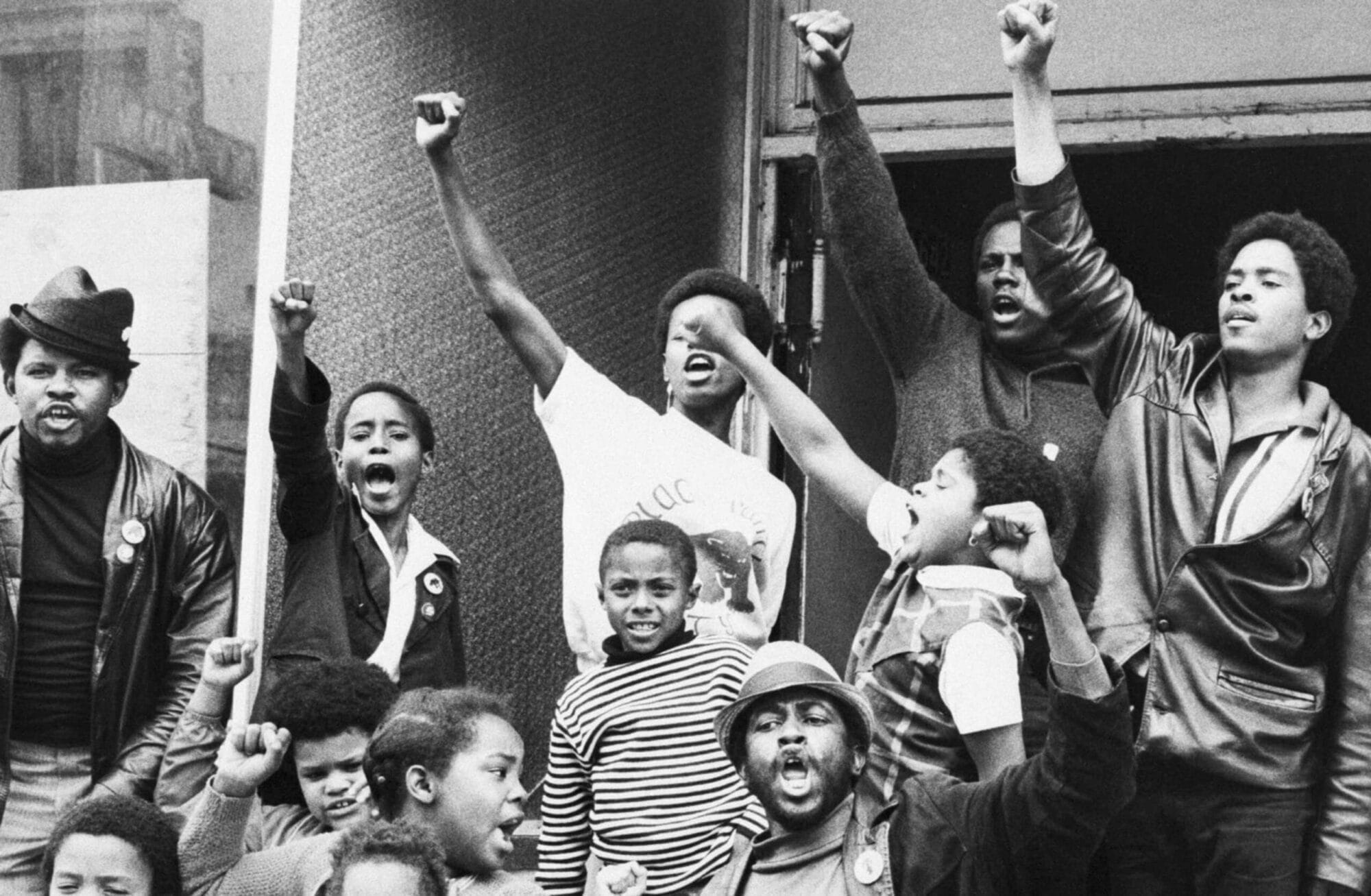
Origins and Historical Development of Black History Month Black History Month is observed annually in February in the United States and originated as a scholarly and educational initiative rather than a commemorative festival. The observance traces its roots to historian Carter G. Woodson, who in 1926 established Negro History Week to address the systematic exclusion […]
Origins and Historical Background of Decorating With Candy Day Decorating With Candy Day is observed annually in early February and celebrates the use of candy as both a decorative and edible medium. The observance draws from long-standing traditions in which sweets were used to adorn baked goods, festive tables, and celebratory displays. Historically, candy decoration […]
Origins and Historical Background of National Dark Chocolate Day National Dark Chocolate Day is observed annually in early February and focuses on dark chocolate as a distinct category within the long history of cacao consumption. Dark chocolate traces its origins to ancient Mesoamerican cultures, where cacao was consumed as a bitter beverage rather than a […]
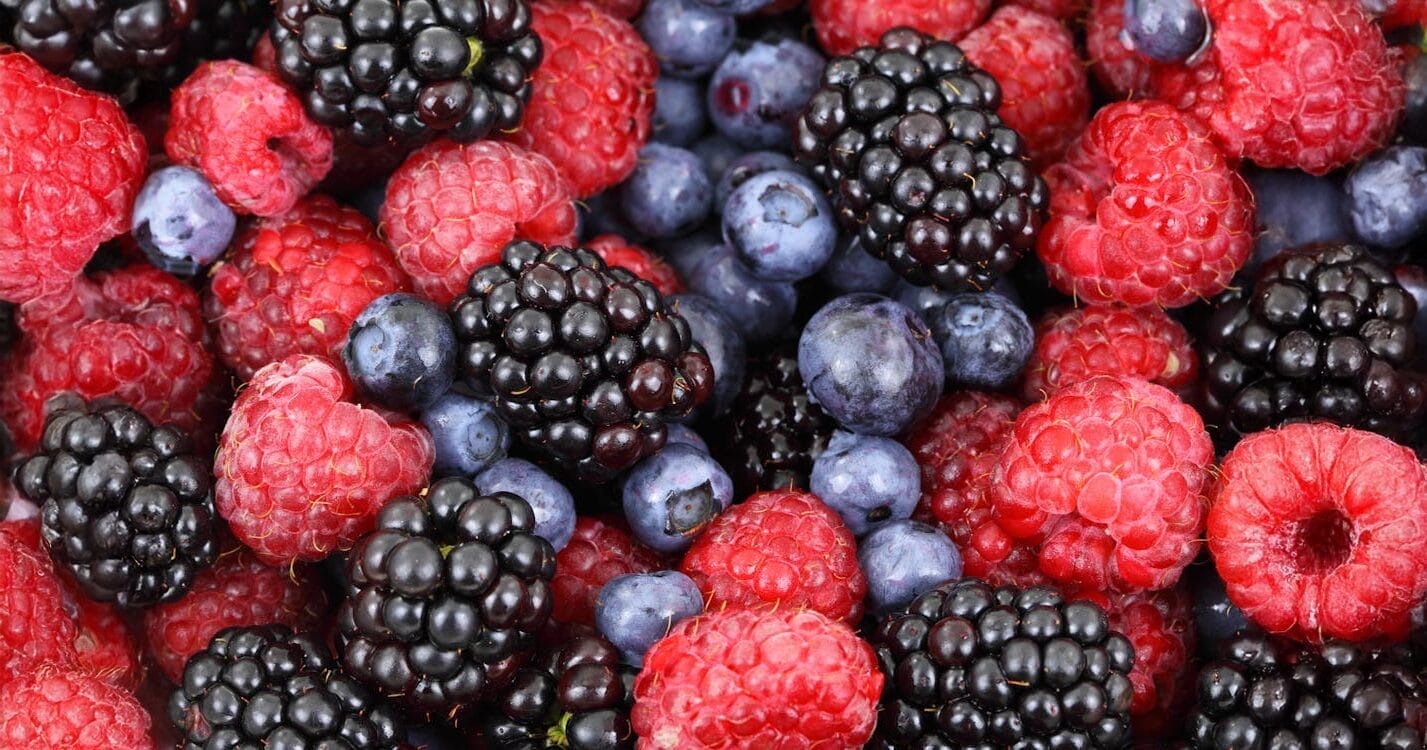
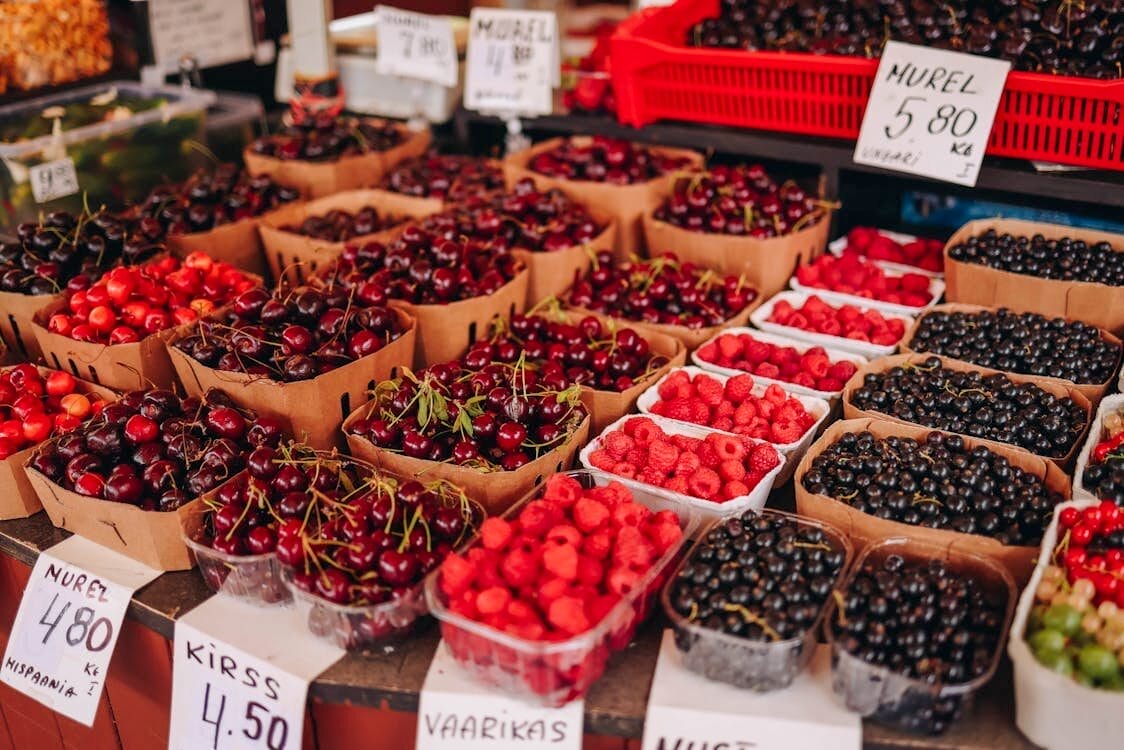
Origins and Agricultural Background of Berry Fresh Month Berry Fresh Month is observed annually in February and highlights the role of berries in agriculture, nutrition, and seasonal eating. The observance developed through agricultural promotion efforts aimed at increasing awareness of fresh berry availability and production. Berries have been part of human diets for thousands of […]
Origins and Historical Background of Celebration of Chocolate Month Celebration of Chocolate Month is observed annually in February and honors chocolate as a global food with deep historical roots. Chocolate originated from cacao, first cultivated and consumed by Indigenous cultures of Central and South America. Originally prepared as a bitter drink, cacao held ceremonial, economic, […]
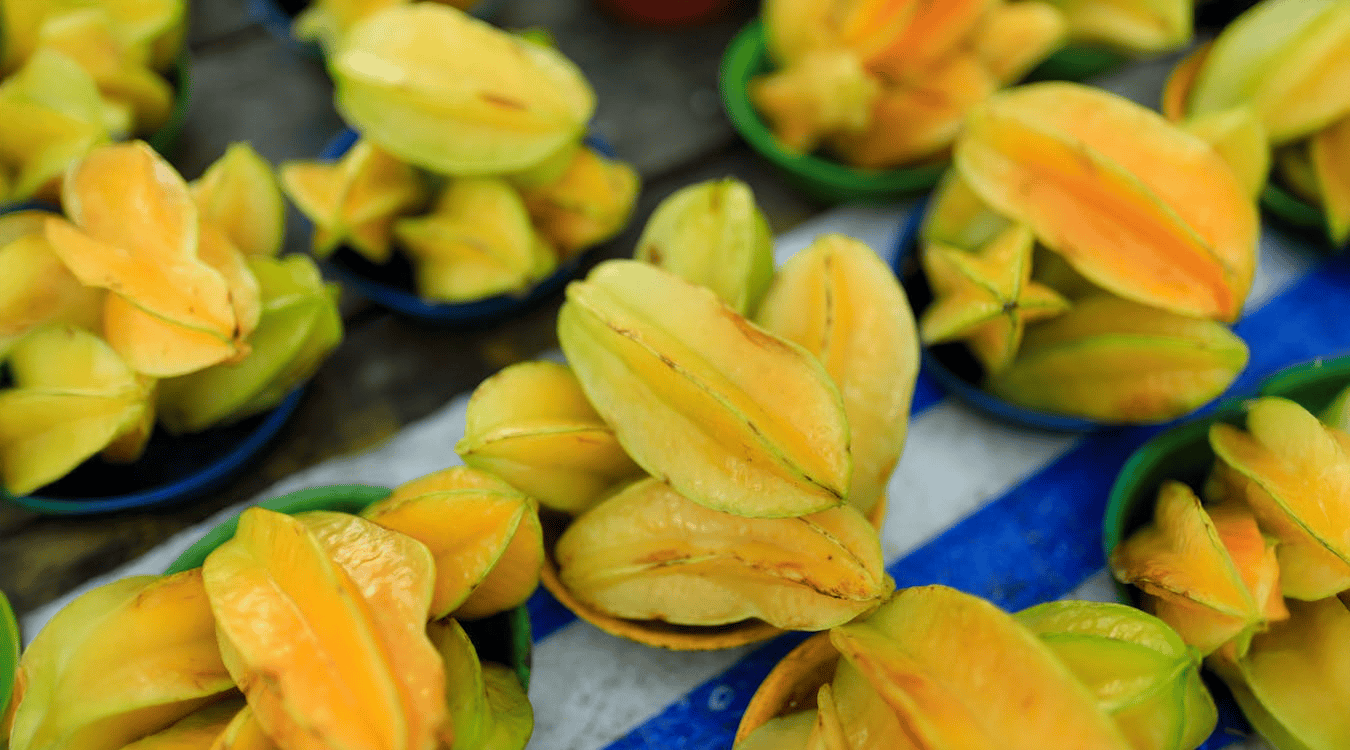
Origins and Agricultural Background of Exotic Vegetables and Star Fruit Month Exotic Vegetables and Star Fruit Month is observed annually in February and highlights produce that falls outside traditional Western staples. The observance developed through agricultural promotion efforts aimed at broadening consumer awareness of global crops and diversified farming. Many vegetables now labeled as exotic […]
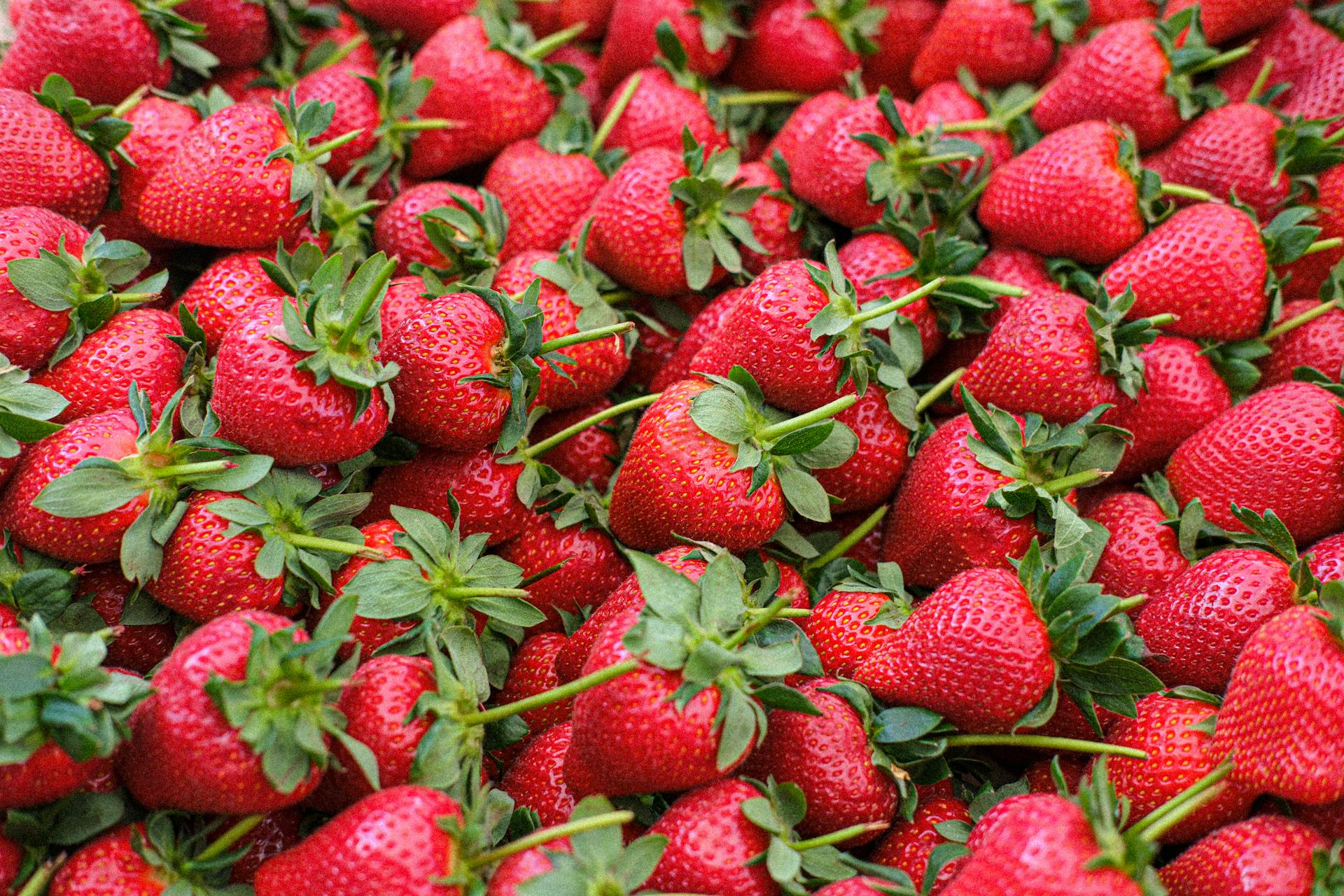
Origins and Agricultural History of Fabulous Florida Strawberry Month Fabulous Florida Strawberry Month is observed annually in February and celebrates Florida’s role as a major producer of winter strawberries in the United States. The observance developed through agricultural promotion efforts highlighting regional harvest cycles. Strawberry cultivation in Florida expanded significantly during the twentieth century as […]
Origins and Historical Background of La Poutine Week La Poutine Week is observed annually in early February and celebrates poutine, a dish that originated in Quebec and has become one of Canada’s most recognizable culinary exports. The observance emerged in the early twenty-first century as a modern food festival rather than a historical commemoration, reflecting […]
History and Establishment of Feeding Tube Awareness Week Feeding Tube Awareness Week is an annual health observance held during the first full week of February. It was established in 2011 by the Feeding Tube Awareness Foundation, a United States based nonprofit organization founded by parents of children who rely on enteral nutrition. The observance was […]
History and Establishment of International Prenatal Infection Prevention Month International Prenatal Infection Prevention Month is observed annually in February as a public health awareness period focused on reducing infections that can affect individuals during pregnancy and fetal development. The observance is generally recognized throughout the month of February, aligning with broader maternal and child health […]
History and Establishment of LGBT+ History Month LGBT+ History Month is an annual observance dedicated to documenting the historical contributions and experiences of lesbian, gay, bisexual, transgender, and other sexual and gender minority individuals. The observance occurs in different months depending on jurisdiction. In the United States, LGBT+ History Month is observed in October. In […]
History and Establishment of Teen Dating Violence Awareness Month Teen Dating Violence Awareness Month is observed annually in February in the United States. The observance focuses on documenting and addressing dating violence among adolescents and young adults. It was formally recognized at the federal level following advocacy by domestic violence prevention organizations and was first […]
Origins and Agricultural Background of California Kiwifruit Day California Kiwifruit Day is observed annually in February and recognizes the role of California growers in cultivating kiwifruit for domestic markets. The observance reflects agricultural diversification rather than historical tradition. Kiwifruit originated in China and was later introduced to New Zealand, where it gained international recognition. California […]
Origins and Historical Background of Crepe Day Crepe Day is observed annually in early February and centers on crepes, a thin pancake associated most strongly with France, particularly the region of Brittany. The observance draws from long-standing culinary tradition rather than a single founding event, reflecting how staple foods can become cultural symbols through repetition […]
Origins and Historical Background of National Tater Tot Day National Tater Tot Day is observed annually on February 2 and celebrates a processed potato product that became an American staple through postwar industrial food innovation. Tater tots were developed in the 1950s by a major frozen food producer as a solution to reduce waste from […]
Origins and Historical Background of National Frozen Yogurt Day National Frozen Yogurt Day is observed annually in early February and centers on a dessert that emerged from twentieth-century experimentation at the intersection of dairy science, consumer health trends, and commercial innovation. Frozen yogurt did not arise from traditional dessert lineage but from modern efforts to […]
Origins and Historical Background of National Carrot Cake Day National Carrot Cake Day is observed annually in early February and centers on a dessert that reflects both culinary adaptation and historical frugality. Carrot cake’s roots can be traced to earlier European traditions that used sweet vegetables in desserts when sugar was scarce or expensive. During […]
National Missing Persons Day is observed annually on February 3 in the United States. The observance was established to focus public attention on individuals reported missing and to recognize the work of law enforcement agencies, forensic specialists, and advocacy organizations engaged in missing persons investigations. February 3 was selected to commemorate the birthday of Polly […]
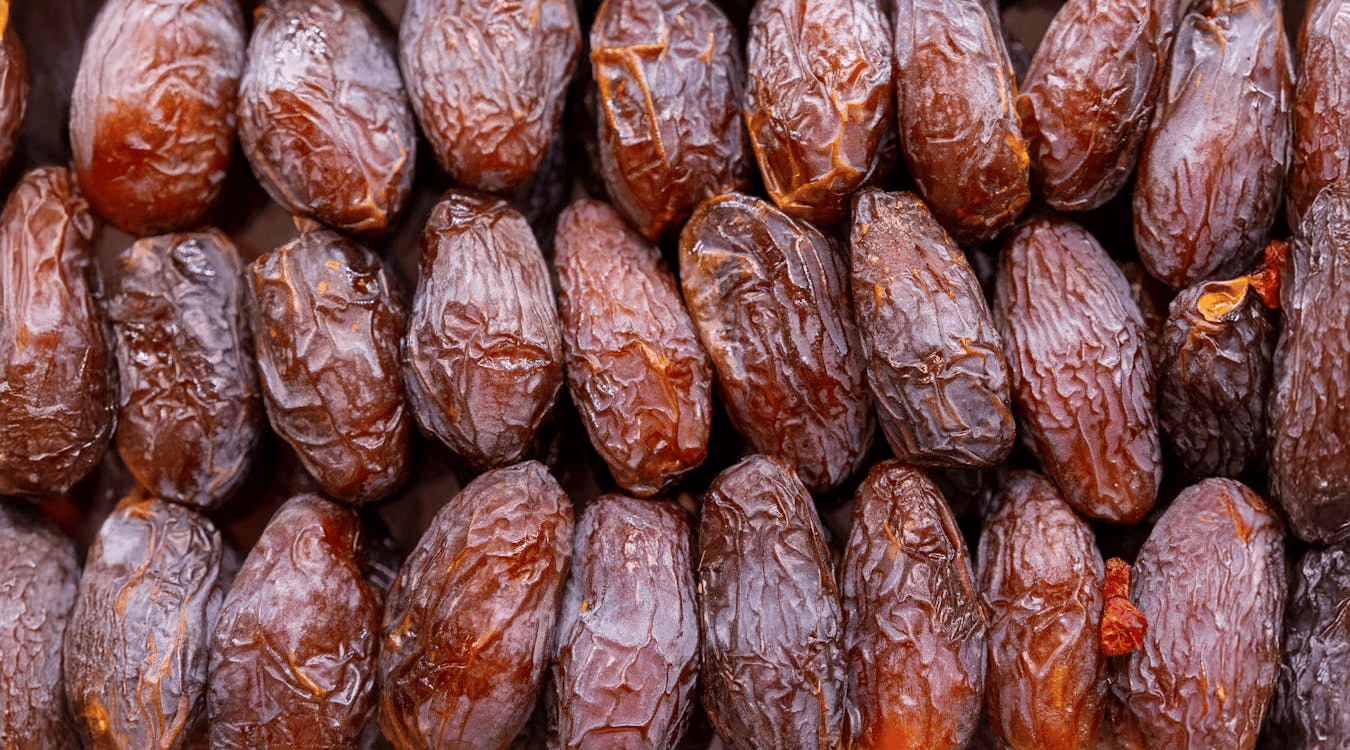
Origins and Agricultural Background of Medjool Date Day Medjool Date Day is observed annually in early February and focuses on a variety of date long valued for its size, texture, and natural sweetness. Medjool dates originated in Morocco, where they were cultivated for centuries as a premium fruit. Dates have played a central role in […]
Origins and Historical Background of National Homemade Soup Day National Homemade Soup Day is observed annually in early February and celebrates soup as one of the oldest and most universal forms of prepared food. Soup-making predates written history, emerging once humans gained the ability to heat water in durable containers. Across cultures, soups developed as […]
Origins and Historical Background of National Stuffed Mushroom Day National Stuffed Mushroom Day is observed annually in early February and highlights a dish that reflects both culinary practicality and evolving appetizer culture. Stuffed mushrooms as a concept draw from older traditions of filling vegetables and edible vessels to create richer, more structured dishes. The practice […]
Sweater Day is observed annually in February in multiple jurisdictions, often coordinated with energy conservation campaigns. In Canada, National Sweater Day is organized by the World Wildlife Fund Canada and is typically observed on the first Thursday in February. The initiative encourages institutions and individuals to lower heating use and wear sweaters to reduce energy […]
Torture Abolition Day, formally known as the International Day in Support of Victims of Torture, is observed annually on June 26. The day was proclaimed by the United Nations General Assembly in 1997 through Resolution 52/149. The date commemorates the entry into force of the United Nations Convention Against Torture and Other Cruel, Inhuman or […]
World Cancer Day is observed annually on February 4. It was established in 2000 by the Union for International Cancer Control during the World Cancer Summit Against Cancer for the New Millennium held in Paris. The date of February 4 was formally recognized in the Charter of Paris Against Cancer, which was signed on February […]
From Wartime Ingenuity to a Global Icon Nutella’s story begins not with indulgence, but with necessity. In the aftermath of World War II, much of Europe faced food shortages, and cocoa was scarce and expensive. In the Piedmont region of northern Italy, hazelnuts were plentiful. Local confectioners had long used them in sweets, and pastry […]
Origins and Historical Background of National Chocolate Fondue Day National Chocolate Fondue Day is observed annually in early February and celebrates a dessert practice built on communal dipping and shared indulgence. Chocolate fondue is associated with the broader fondue tradition, which developed in Switzerland as a method of warming and sharing food during colder seasons. […]
Welcoming a New Year of Renewal and Good Fortune Lunar New Year is one of the world’s oldest and most widely celebrated holidays, observed across East and Southeast Asia and throughout global diasporas. Falling between late January and mid-February, its date is determined by the lunar calendar, marking the transition from one zodiac animal year […]
Origins and Historical Background of Bubblegum Day Bubblegum Day is observed annually in early February and centers on bubblegum as a distinct cultural and commercial invention rather than merely a flavor of chewing gum. While the observance itself is modern and informal, the product it celebrates reflects more than a century of experimentation in material […]
Origins and Historical Development of National Chopsticks Day National Chopsticks Day is observed annually on February 6 and centers on one of the most enduring and widely used eating utensils in human history. Chopsticks originated in East Asia thousands of years ago and developed alongside changes in cooking methods, social organization, and philosophical thought. The […]
The International Day of Zero Tolerance to Female Genital Mutilation is observed annually on February 6. The day was established by the United Nations General Assembly in 2012 through Resolution 67/146, building upon earlier African Union initiatives that recognized February 6 as a day to promote elimination of the practice. The observance is international in […]
Reclaim Social Day is observed annually on February 3. The observance was established in 2017 by Pause Global, a nonprofit organization founded in the United Kingdom to promote digital well being and intentional technology use. The date was selected to encourage individuals and organizations to evaluate their relationship with social media platforms and digital communication […]
Origins and Historical Background of National Ice Cream for Breakfast Day National Ice Cream for Breakfast Day is observed annually on the first Saturday in February and celebrates deliberate disruption of routine through food. Unlike many food observances, it did not emerge from industry promotion or historical commemoration, but from an informal family tradition. The […]
Origins and Historical Background of Pisco Sour Day Pisco Sour Day is observed annually in early February and honors a cocktail that reflects complex layers of regional identity, migration, and cultural exchange in South America. The pisco sour is most strongly associated with Peru, where it is regarded as a national drink, though its history […]
Origins and Historical Background of National Fettuccine Alfredo Day National Fettuccine Alfredo Day is observed annually in early February and celebrates a pasta dish whose global reputation far exceeds its modest origins. Fettuccine Alfredo traces back to early twentieth century Rome, where it emerged not as an elaborate culinary invention, but as a simple expression […]
Origins and Historical Background of Molasses Bar Day Molasses Bar Day is observed annually in early February and highlights a baked good closely tied to historical sugar production, trade, and domestic cooking. Molasses bars emerged during periods when refined sugar was scarce or expensive, making molasses a practical alternative. Molasses is a byproduct of sugar […]
Origins and Historical Background of National Kraut and Frankfurter Week National Kraut and Frankfurter Week is observed annually in early February and centers on two foods whose histories are deeply intertwined with preservation, migration, and industrialization. Sauerkraut and frankfurters originated in Central Europe, particularly in German-speaking regions, where climate and seasonal scarcity shaped food traditions. […]
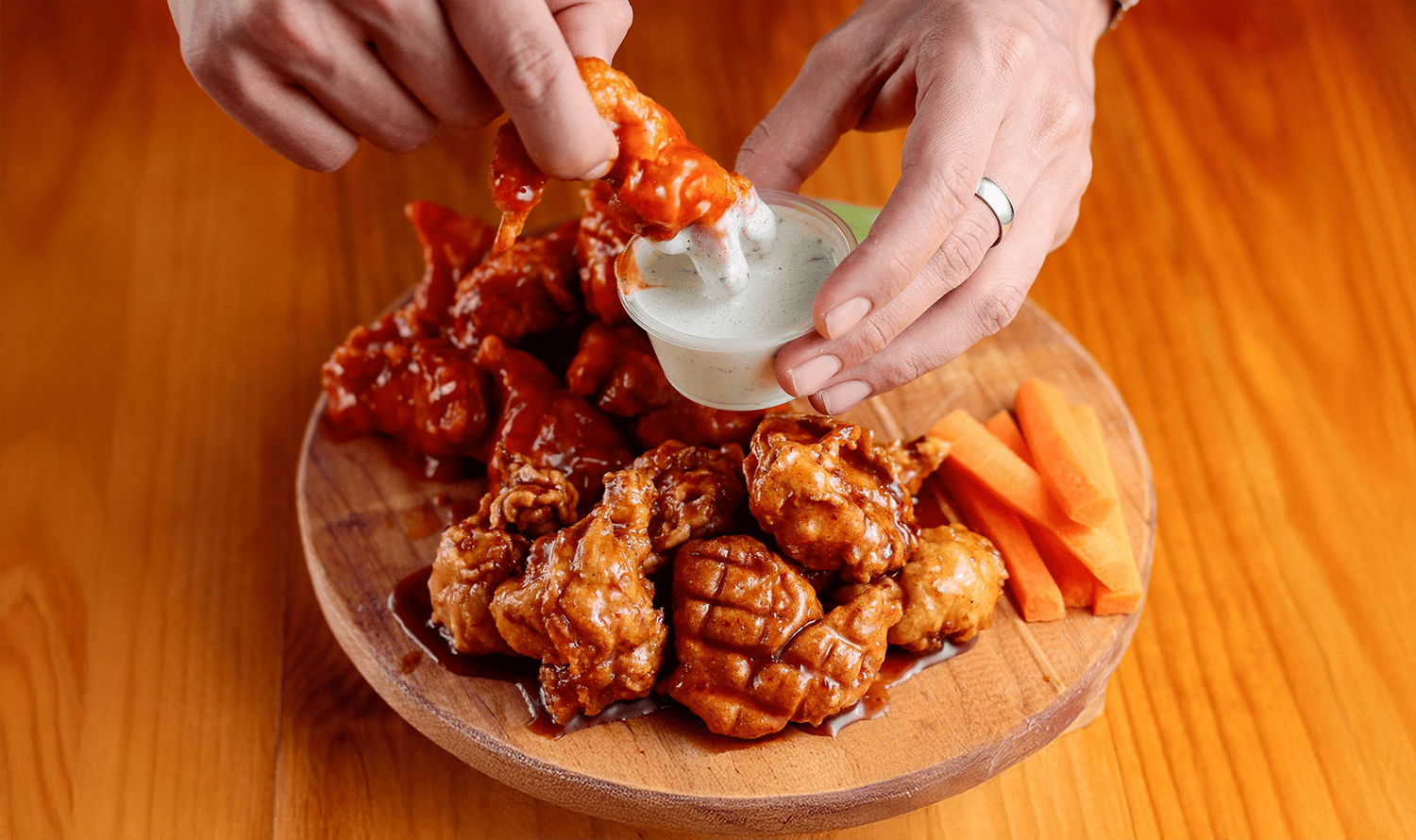
Origins and Historical Background of Super Chicken Wing Day Super Chicken Wing Day is observed annually in early February and celebrates chicken wings as a staple of communal eating, particularly in connection with sporting events. Chicken wings were once a marginal cut, valued primarily for stock rather than standalone dishes. The transformation of chicken wings […]
Origins and Historical Background of National Jell-O Week National Jell-O Week is observed annually in early February and centers on a food product that reflects the rise of industrial food processing, domestic convenience, and twentieth-century American identity. Gelatin-based desserts existed long before Jell-O, but their preparation was historically labor-intensive and reserved for wealthy households with […]
International Epilepsy Day is observed annually on the second Monday in February. It was established in 2015 by the International Bureau for Epilepsy and the International League Against Epilepsy. The date was selected to provide a coordinated global awareness day distinct from National Epilepsy Awareness Month observances in various countries. The International Bureau for Epilepsy […]
Origins and Historical Background of Chocolate Day Chocolate Day is observed annually in early February and centers on chocolate as a food with ancient origins and global cultural impact. Chocolate begins with cacao, a crop cultivated and revered by Indigenous civilizations in Mesoamerica long before European contact. The earliest cacao preparations were unsweetened beverages consumed […]
Origins and Historical Background of Oatmeal Monday Oatmeal Monday is observed annually in early February and highlights oatmeal as a foundational food shaped by climate, agriculture, and necessity. Oats have been cultivated for thousands of years, particularly in regions where wheat struggled to thrive. In Northern Europe and parts of Scotland and Ireland, oats became […]
Origins and Historical Background of National Bagels and Lox Day National Bagels and Lox Day is observed annually in early February and centers on a food pairing shaped by migration, preservation, and cultural adaptation. The combination of bagels and lox is most closely associated with Jewish culinary tradition, particularly as it developed in Eastern Europe […]
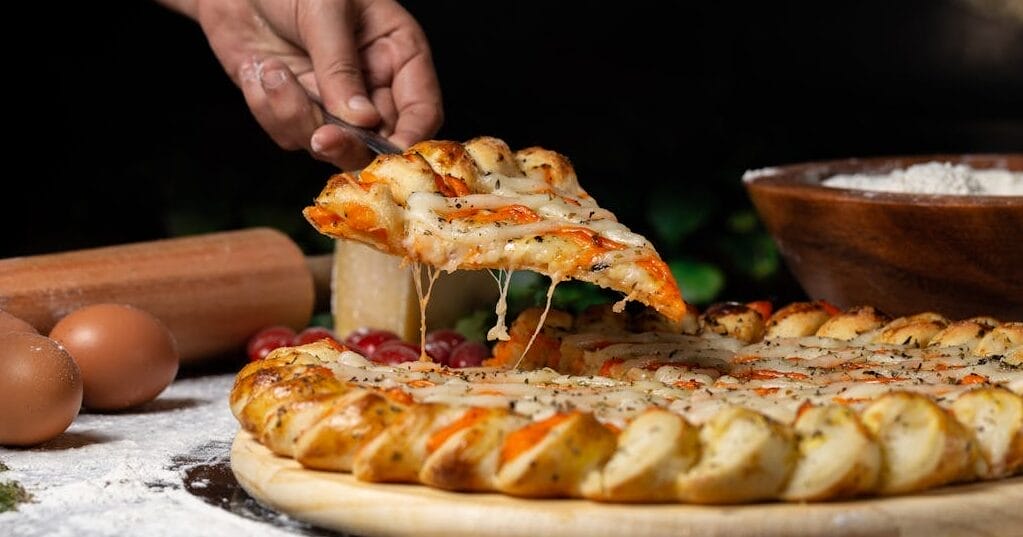
Origins and Historical Background of Pizza Pie Day Pizza Pie Day is observed annually in early February and celebrates pizza as a food that reflects both regional specificity and global transformation. Pizza originated in Naples, Italy, where flatbreads topped with simple ingredients served as affordable nourishment for working populations. Early forms of pizza were shaped […]
Children’s Hospice Day is an annual observance associated most strongly with Germany under the name Tag der Kinderhospizarbeit. It is observed on a fixed calendar date of February 10 each year. The observance was established by the Deutscher Kinderhospizverein, commonly referred to in English as the German Children’s Hospice Association. The organization states that it […]
Origins and Historical Background of National Cream Cheese Brownie Day National Cream Cheese Brownie Day is observed annually in early February and centers on a dessert that represents the blending of two distinct American baking traditions. The cream cheese brownie did not emerge as a singular invention, but rather as a natural evolution of home […]
Origins and Historical Background of National Latte Day National Latte Day is observed annually in early February and celebrates a beverage that reflects the evolution of coffee culture from utilitarian consumption to crafted experience. The latte traces its roots to European coffee traditions, particularly in Italy, where espresso-based drinks developed as part of daily routine. […]
Origins and Historical Background of National Peppermint Patty Day National Peppermint Patty Day is observed annually in early February and celebrates a confection that reflects American candy-making traditions rooted in contrast and simplicity. Peppermint patties combine a cool mint center with a chocolate coating, creating a sensory experience defined by balance. The use of peppermint […]
Giving Hearts Day is an annual 24 hour charitable giving event held on the second Thursday in February. It originated in 2008 as a regional online fundraising concept developed by Dakota Medical Foundation, a nonprofit based in Fargo, North Dakota. The organizing foundation describes its early purpose as providing charities with an online giving platform […]
Origins and Historical Background of National Plum Pudding Day National Plum Pudding Day is observed annually in early February and centers on a dessert with deep historical roots tied to British culinary tradition, seasonal ritual, and social hierarchy. Plum pudding, more accurately known as Christmas pudding in the United Kingdom, developed over centuries as a […]
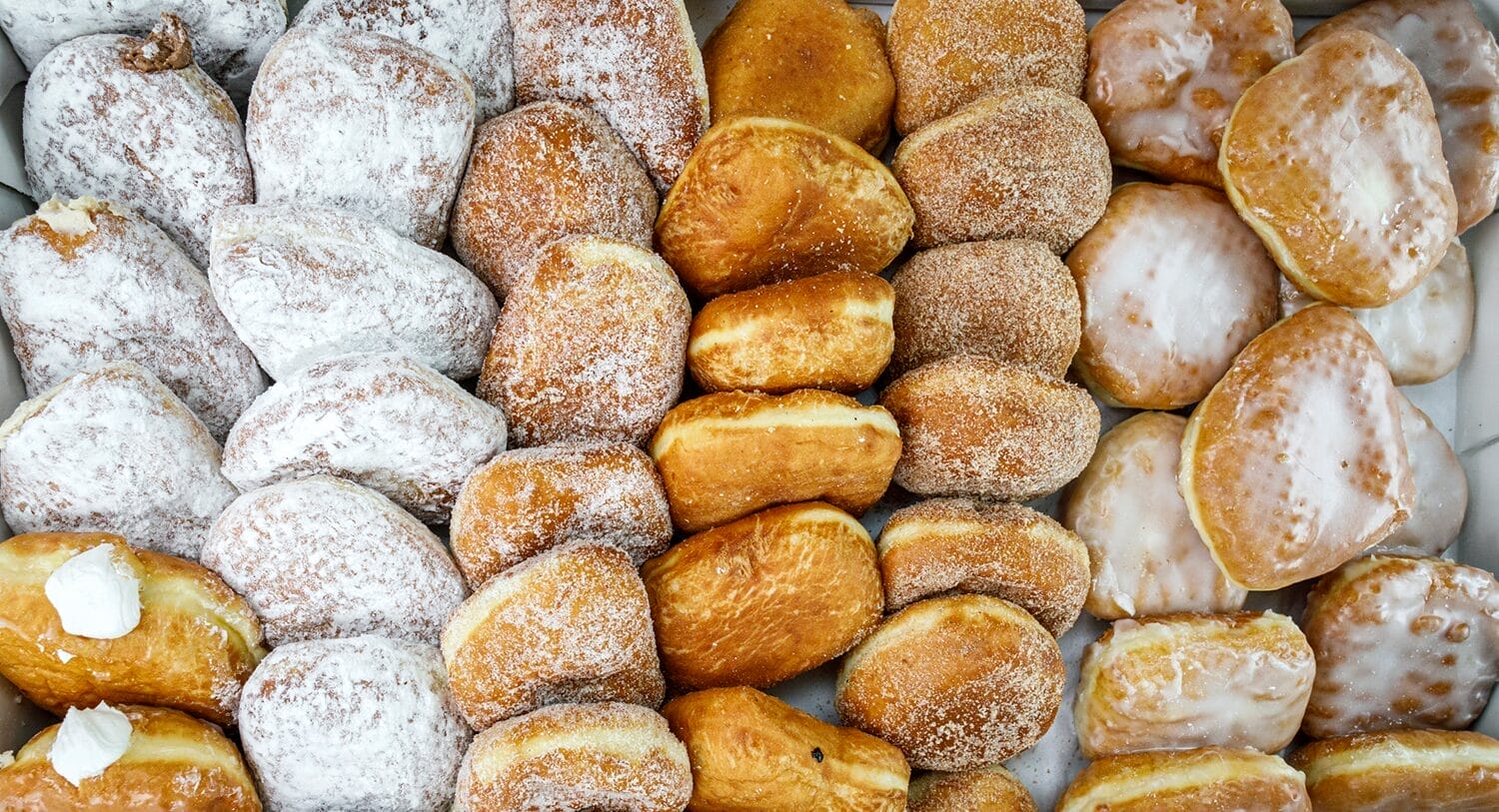
Origins and Historical Background of Paczki Day Paczki Day is observed annually on the Tuesday preceding Ash Wednesday and centers on a filled doughnut originating in Poland. Paczki developed as a practical and symbolic food tied to the Christian liturgical calendar and seasonal consumption. Historically, paczki were made from enriched dough containing eggs, sugar, butter, […]
The International Day Against the Use of Child Soldiers is observed annually on February 12. It is also widely known as Red Hand Day, a reference to the red handprint symbol used in related campaigns. The observance has been marked on February 12 since 2002, aligning with the entry into force of the Optional Protocol […]
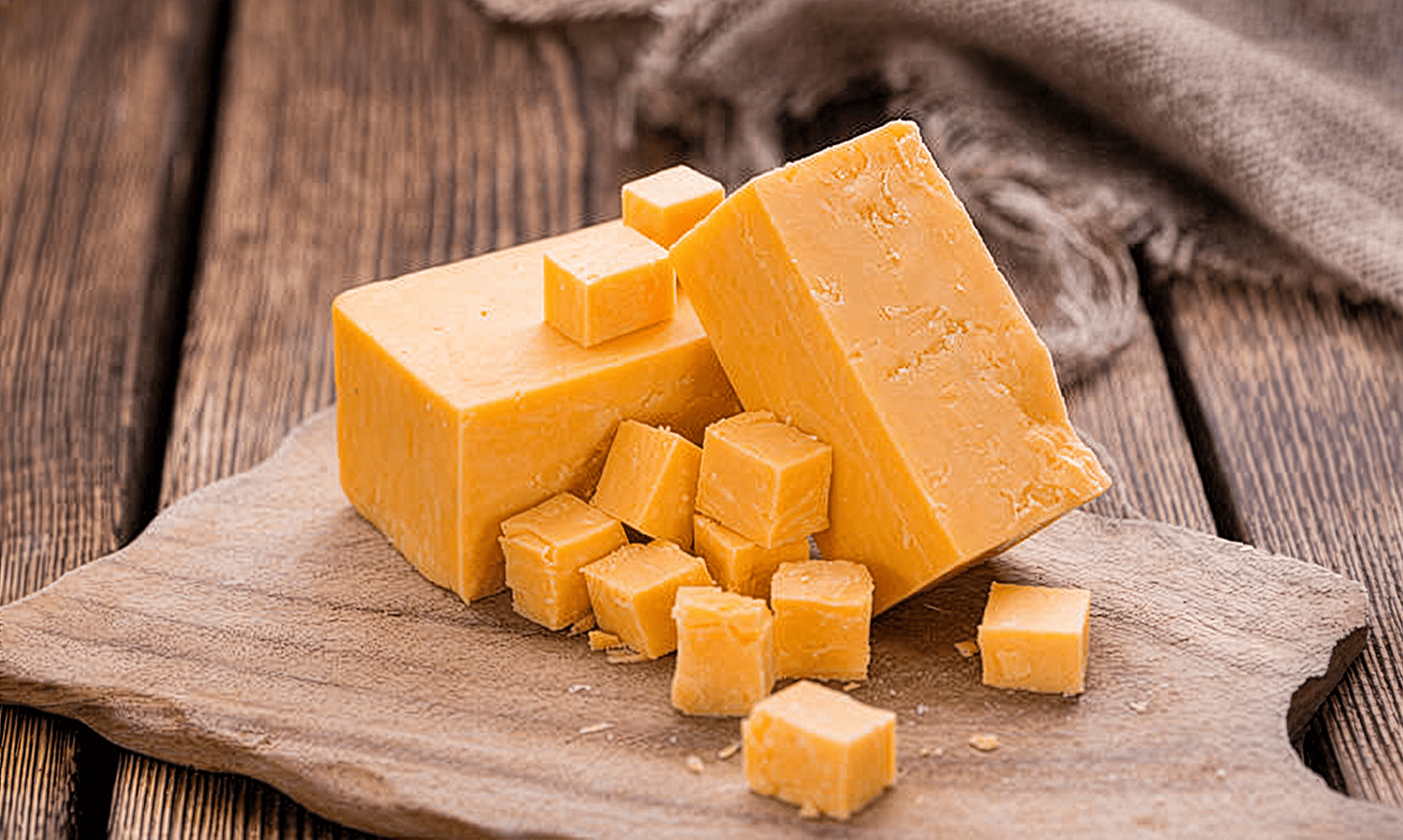
Origins and Historical Background of National Cheddar Day National Cheddar Day is observed annually in early February and celebrates one of the most widely produced and consumed cheeses in the world. Cheddar cheese originated in England, specifically in the village of Cheddar in Somerset, where natural caves provided ideal conditions for aging. The production of […]
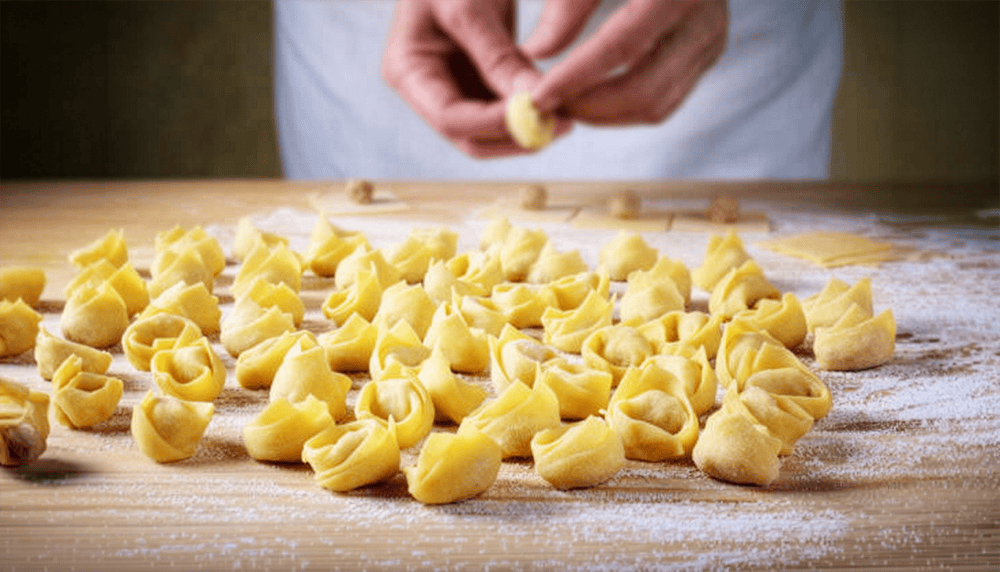
Origins and Historical Background of National Tortellini Day National Tortellini Day is observed annually in early February and centers on a pasta shape deeply embedded in Italian regional identity, culinary mythology, and domestic tradition. Tortellini originated in the Emilia Romagna region of Italy, particularly in and around Bologna and Modena, where filled pasta became a […]
Congenital Heart Defect Awareness Day is observed annually on February 14. The observance is associated with public education and institutional recognition of congenital heart defects, commonly abbreviated as CHDs, which are structural differences of the heart present at birth. The date is fixed to the calendar rather than calculated by weekday pattern. In 2026, Congenital […]
A Day Devoted to Love in All Its Forms Valentine’s Day, celebrated each year on February 14, is often associated with roses, chocolates, candlelit dinners, and handwritten cards. But beneath the commercial sparkle is a holiday rooted in centuries of storytelling, devotion, and the simple human desire to express affection. Today, people mark the occasion […]
Origins and Historical Background of National Cream-Filled Chocolate Day National Cream-Filled Chocolate Day is observed annually in early February and celebrates a confection category defined by contrast and innovation. Cream-filled chocolates emerged as candy makers began experimenting with combining solid chocolate shells and soft interiors. Chocolate confections evolved significantly during the nineteenth century as processing […]
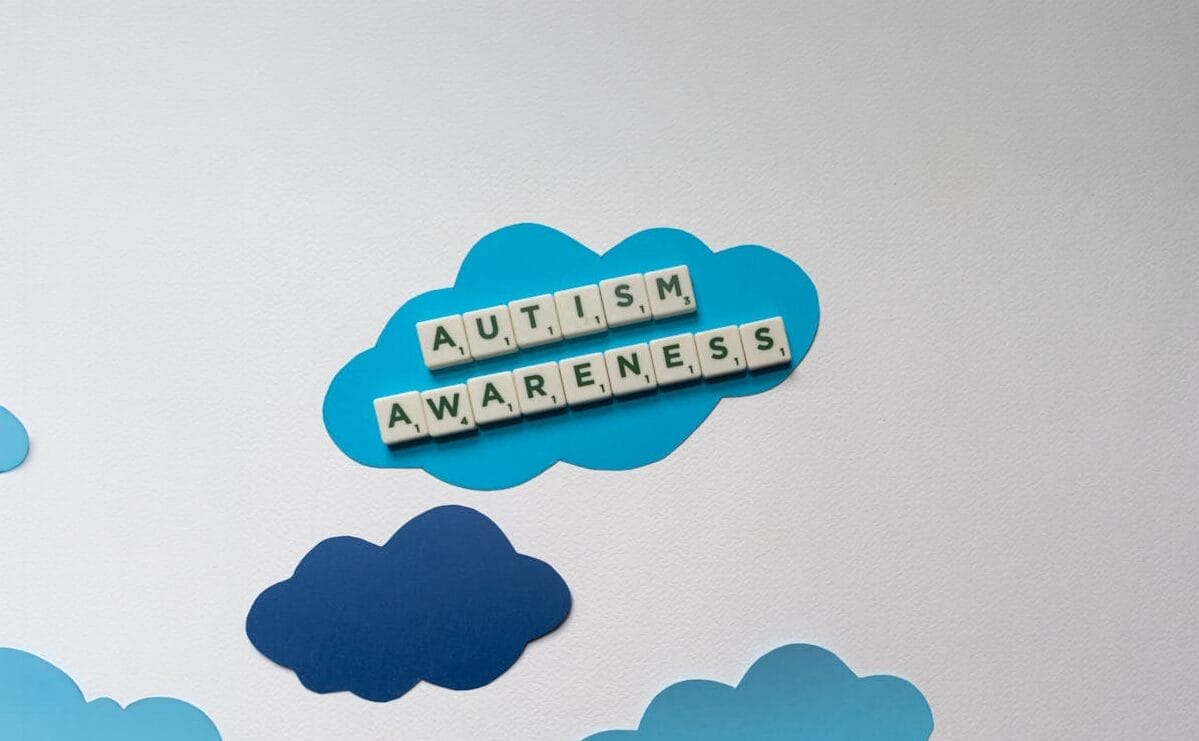
Autism Sunday is observed annually on the second Sunday in February. The observance was established in 2002 by Ivan and Charika Corea, founders of the United Kingdom based Christian organization Prospects for People with Learning Disabilities. The initiative originated as a church based awareness day focused on inclusion and support for individuals with autism and […]
Honoring the Nation’s Highest Office and Its Earliest Leader Commonly known as Presidents Day, the federal holiday officially named Washington’s Birthday honors the first president of the United States while increasingly serving as a celebration of all who have held the office. National observances for George Washington began as early as the 18th century, with […]
Origins and Historical Background of National Gumdrop Day National Gumdrop Day is observed annually in early February and centers on a candy shaped by early sugar processing and gelatin use. Gumdrops emerged as molded sugar candies designed for consistency, portability, and shelf stability. Gel-based candies became possible as manufacturers refined methods for producing gelatin and […]
Origins and Historical Background of National I Want Butterscotch Day National I Want Butterscotch Day is observed annually in early February and celebrates a flavor that reflects the evolution of sugar processing, dairy use, and confectionery tradition. Butterscotch developed as a simple yet distinctive combination of sugar and butter, creating a flavor profile that predates […]
Make Mine Chocolate is a seasonal public education campaign that encourages giving chocolate rabbits instead of live rabbits as gifts associated with Easter. The campaign is associated with animal welfare messaging focused on rabbit abandonment and unsuitable impulse purchases. It is commonly scheduled to begin on February 15 and run through a defined end point […]
Origins and Historical Background of Tim Tam Day Tim Tam Day is observed annually in early February and celebrates a chocolate biscuit that holds iconic status in Australian food culture. Tim Tams were introduced in the mid twentieth century by an Australian biscuit manufacturer seeking to create a product that balanced indulgence with accessibility. The […]
Origins and Historical Background of National Almond Day National Almond Day is observed annually in mid February and centers on one of the oldest cultivated foods in human history. Almonds have been grown and consumed for thousands of years, long before modern concepts of agriculture, trade, or national cuisine existed. Their durability, nutritional density, and […]
Origins and Historical Background of Fasnacht Day Fasnacht Day is observed on the Tuesday preceding Ash Wednesday and is rooted in European pre-Lenten traditions that emphasized communal indulgence before a period of fasting and restraint. The term “Fasnacht” originates from German dialects meaning “fast night,” referring to the final night before Lent begins. The tradition […]
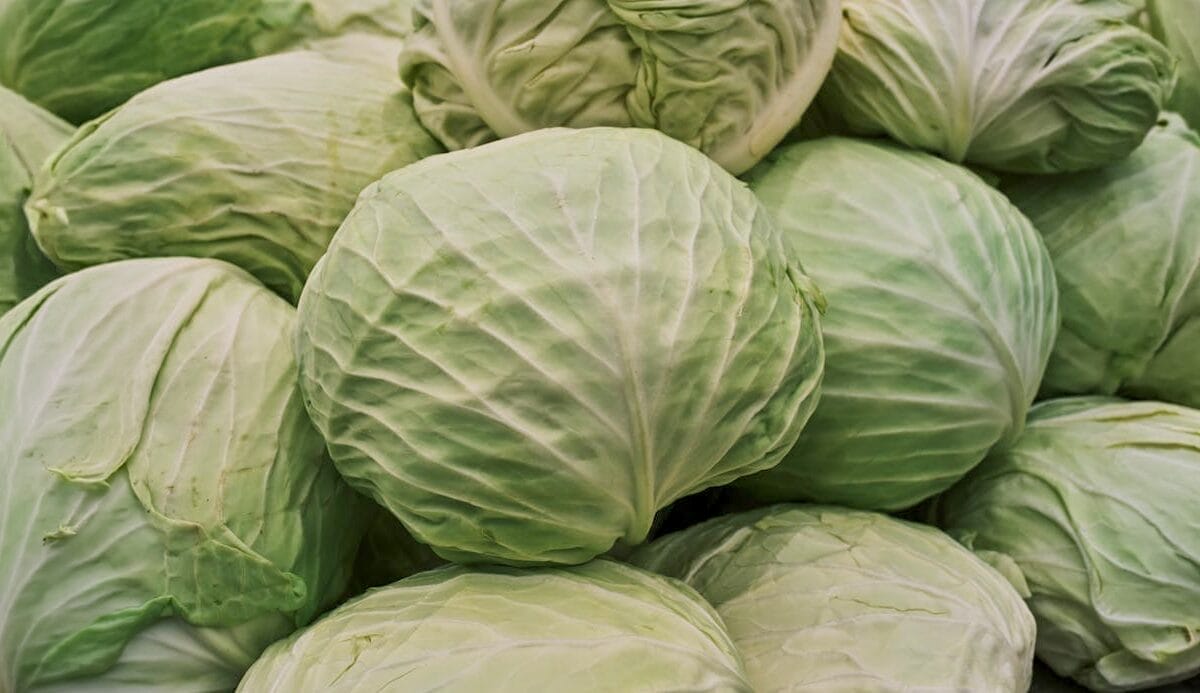
Origins and Historical Background of National Cabbage Day National Cabbage Day is observed annually in early February and celebrates a vegetable that has sustained populations for centuries. Cabbage is one of the oldest cultivated vegetables, valued for its durability, versatility, and ability to thrive in cool climates. Evidence of cabbage cultivation dates back thousands of […]
Origins and Historical Background of National Cafe au Lait Day National Cafe au Lait Day is observed annually in early February and celebrates a coffee preparation rooted in European café culture. Cafe au lait originated in France as a simple mixture of brewed coffee and hot milk, typically consumed in the morning. Unlike espresso-based drinks, […]
History and Origins of National Indian Pudding Day National Indian Pudding Day is observed annually in early February and recognizes a dessert rooted in early American colonial cooking. National Indian Pudding Day highlights a dish that developed from necessity, adaptation, and the blending of European and Indigenous food traditions. Indian pudding is traditionally made from […]
History and Origins of National Drink Wine Day National Drink Wine Day is observed annually on February 18 and celebrates wine as one of the oldest continuously produced beverages in human history. National Drink Wine Day recognizes wine not merely as an alcoholic drink, but as an agricultural product shaped by geography, trade, religion, and […]
History and Origins of National Chocolate Mint Day National Chocolate Mint Day is observed annually on February 19 and celebrates the enduring pairing of chocolate and mint. The combination reflects centuries of flavor experimentation and confectionery innovation, bringing together cacao’s richness and mint’s cooling intensity. Chocolate originated in Mesoamerica, where cacao was consumed as a […]
National Vet Girls ROCK Day is observed annually on February 19 in the United States. It is associated with recognition of women who have served in the U.S. Armed Forces and with community based visibility efforts centered on women veterans. The observance is date fixed rather than calculated by weekday pattern. In 2026, National Vet […]
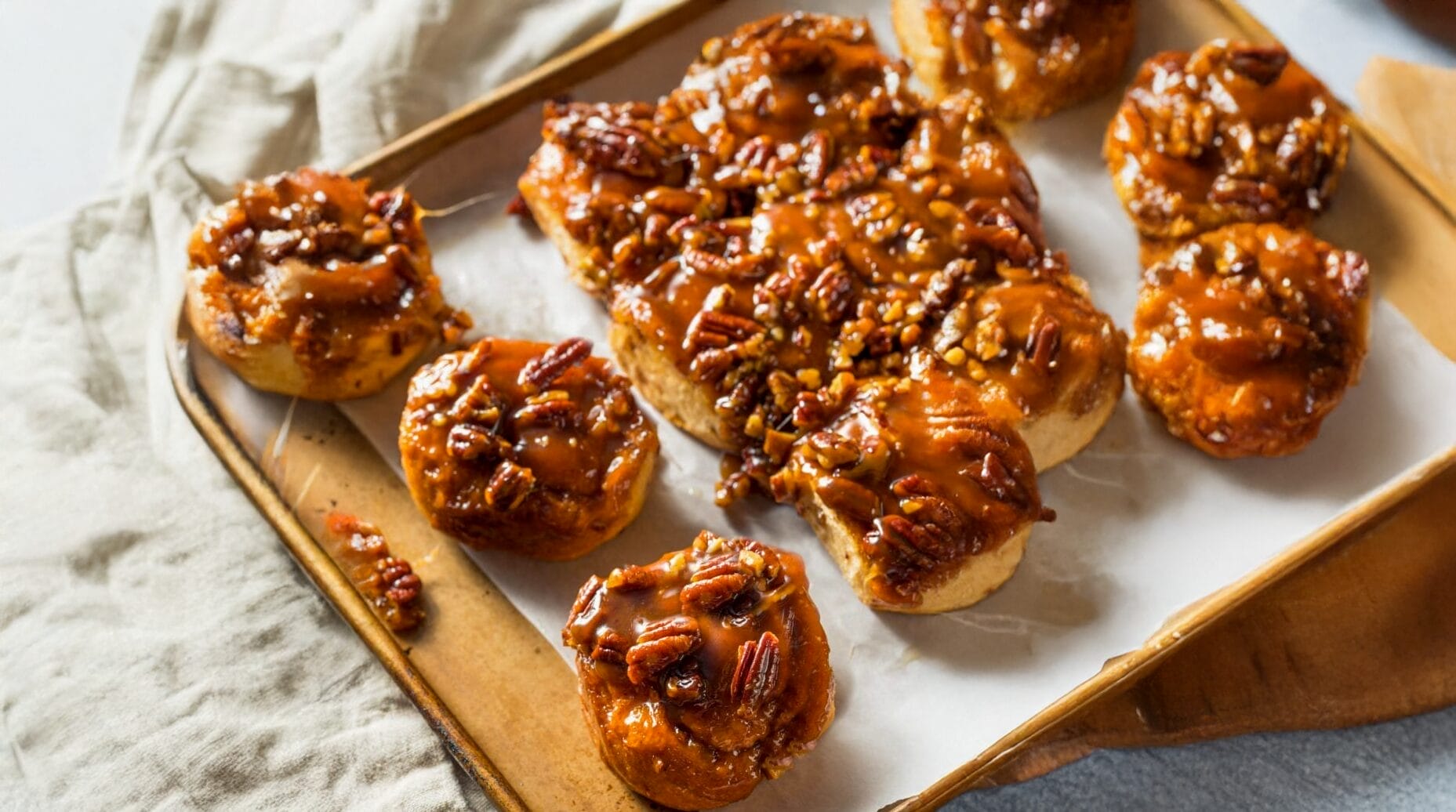
Origins and Historical Background of National Sticky Bun Day National Sticky Bun Day is observed annually on February 21 and centers on one of the most enduring sweet breads in American baking traditions. Sticky buns, sometimes referred to as caramel buns, trace their roots to European yeast-based pastries that were brought to North America by […]
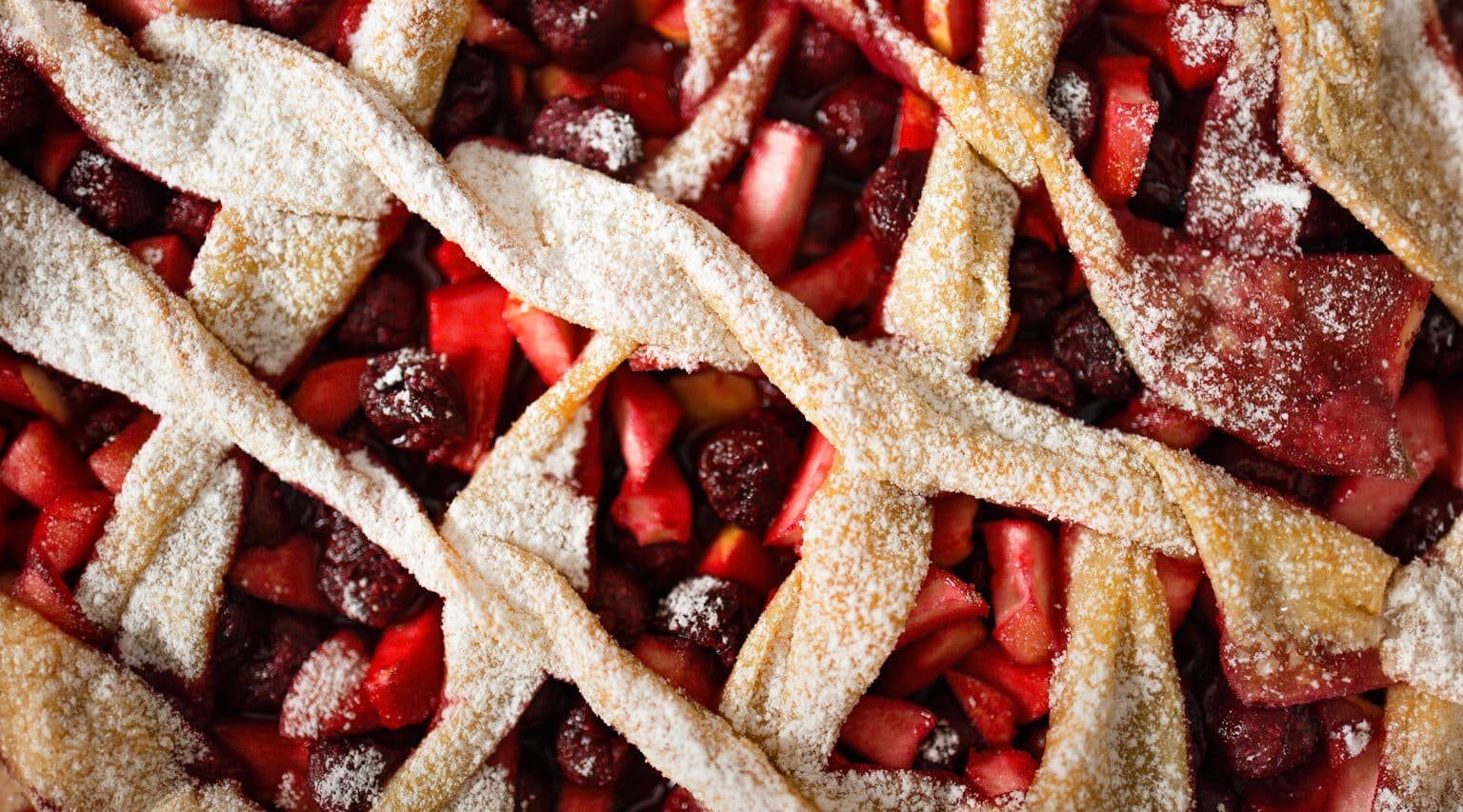
History and Origins of National Cherry Pie Day National Cherry Pie Day is observed annually on February 20 and celebrates a dessert closely associated with American culinary identity. Cherry pie combines European pie-making techniques with fruit cultivation that expanded significantly in North America during the nineteenth century. Pies themselves originated in ancient civilizations where pastry […]
History and Origins of National Tartar Sauce Day National Tartar Sauce Day is observed annually on February 22 and recognizes a condiment whose origins lie in European culinary traditions and whose evolution reflects the blending of preservation techniques and flavor contrast. Tartar sauce developed as a derivative of mayonnaise, which itself emerged in French cuisine […]
History and Origins of National Muffin Day National Muffin Day is observed annually on February 20 and celebrates a baked good that bridges simplicity, portability, and cultural adaptation. Muffins trace their origins to early European quick breads, though their modern form developed distinctly in Britain and later in North America. In England, muffins originally referred […]
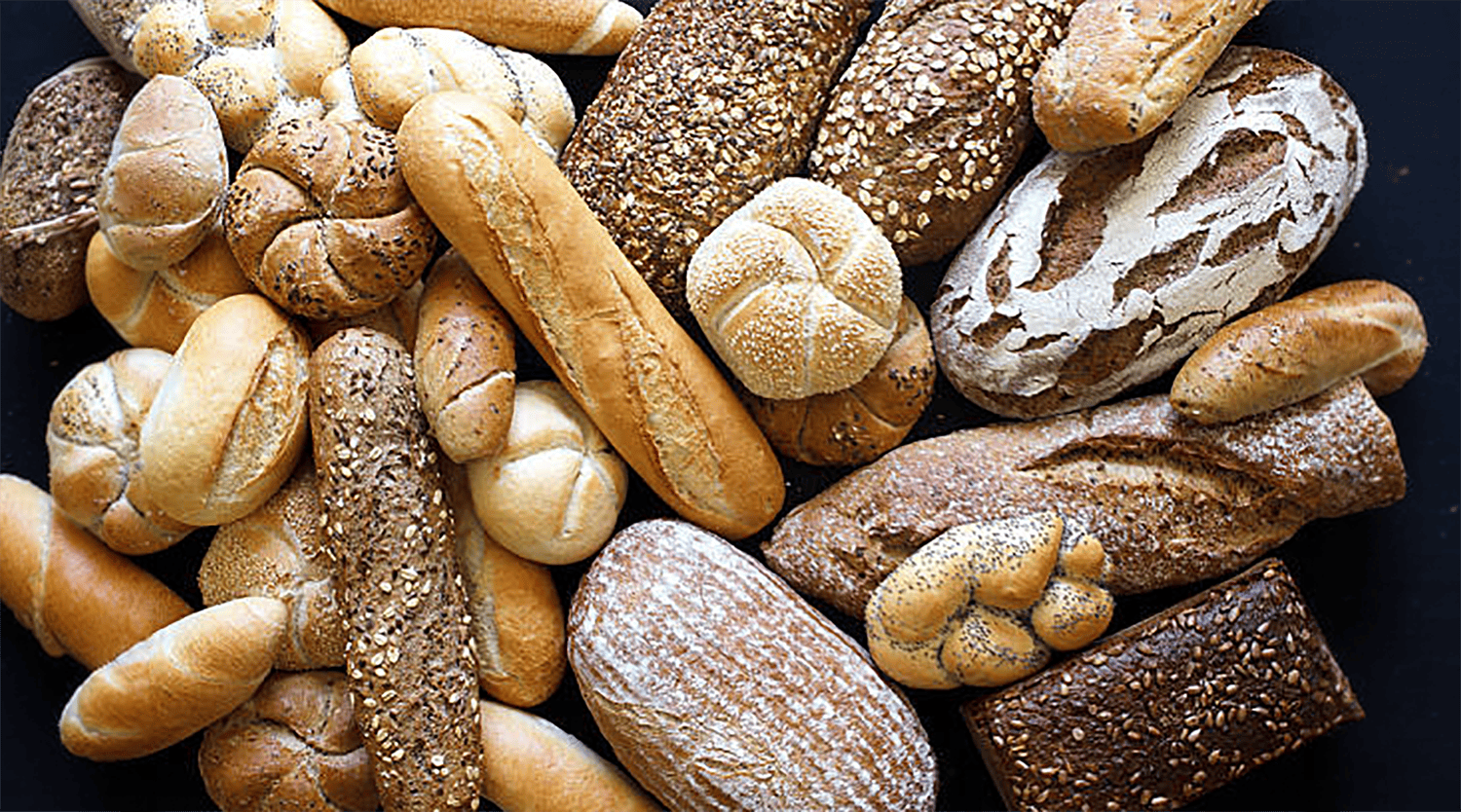
History and Origins of Real Bread Week Real Bread Week is observed annually in February and promotes awareness of traditionally made bread prepared without artificial additives or unnecessary processing aids. The observance originated in the United Kingdom as part of a broader movement advocating for transparency in bread production. Bread is one of the oldest […]
National Day of Solidarity with Muslim, Arab and South Asian Immigrants is observed annually on February 20 in the United States. The observance functions as a civic recognition and solidarity date associated with immigrant communities that have experienced heightened scrutiny, discrimination, or targeted policy environments in different periods of U.S. history. The date is fixed […]
National Whistleblower Reward Day is observed annually on February 20 in the United States. It is a date focused on public documentation of statutory reward programs that provide financial incentives for reporting fraud against government funds or for reporting specific categories of wrongdoing under defined legal regimes. The date is fixed on the calendar rather […]
World Day of Social Justice is observed annually on February 20. It was proclaimed by the United Nations General Assembly in 2007 through Resolution 62/10, which designated February 20 as a recurring international observance beginning in 2009. The proclamation followed earlier United Nations discussions linking social development, employment, poverty reduction, and human rights frameworks under […]
A Night When Light Takes Center Stage The Lantern Festival glows on the 15th day of the first lunar month, marking the joyful close of Chinese New Year celebrations. It is a night when lanterns rise, riddles dance across paper, and families gather under the first full moon of the lunar year. Rooted in over […]
International Mother Language Day is observed annually on February 21. It was proclaimed by the United Nations Educational, Scientific and Cultural Organization in 1999 and subsequently recognized by the United Nations General Assembly in 2002. The date commemorates the events of February 21, 1952, when students in Dhaka, then part of Pakistan, were killed during […]
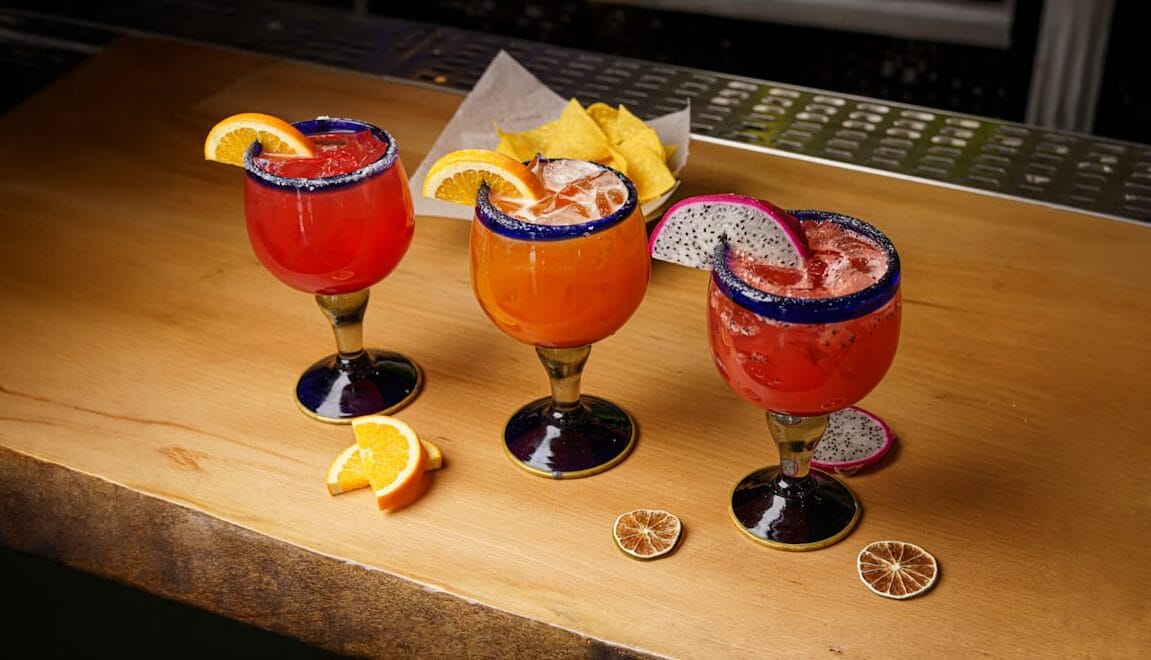
The Origins of the Margarita and Its Many Myths National Margarita Day celebrates one of the most recognizable cocktails in the world, a drink that balances brightness, acidity and warmth in a single salted rimmed glass. Despite its global popularity, the margarita’s exact origin remains contested, wrapped in overlapping stories that reflect the cultural exchange […]
History and Origins of National Cook a Sweet Potato Day National Cook a Sweet Potato Day is observed annually on February 22 and celebrates a root vegetable with ancient agricultural roots and global culinary presence. Sweet potatoes were first cultivated in Central and South America thousands of years ago before spreading across the Caribbean, Africa, […]
History and Origins of National Margarita Day National Margarita Day is observed annually on February 22 and celebrates a cocktail that has become one of the most widely recognized tequila-based drinks in the world. National Margarita Day honors a beverage rooted in Mexican distillation traditions and twentieth century cocktail culture, reflecting cross-border exchange between Mexico […]
European Day for Victims of Crime is observed annually on February 22. The observance was established in 1990 by Victim Support Europe, a European network of victim support organizations. The date is fixed and does not follow a weekday rotation. In 2026, European Day for Victims of Crime occurs on February 22, 2026. The founding […]
History and Origins of National Banana Bread Day National Banana Bread Day is observed annually on February 23 and celebrates a quick bread that emerged from agricultural trade, domestic thrift, and twentieth century baking innovation. National Banana Bread Day recognizes a recipe that transformed overripe fruit into a durable household staple, reflecting both economic necessity […]
History and Origins of National Tootsie Roll Day National Tootsie Roll Day is observed annually on February 23 and celebrates one of the most recognizable American candies of the twentieth century. The Tootsie Roll was introduced in the late nineteenth century during a period of rapid expansion in industrial candy manufacturing. Unlike traditional chocolate confections, […]
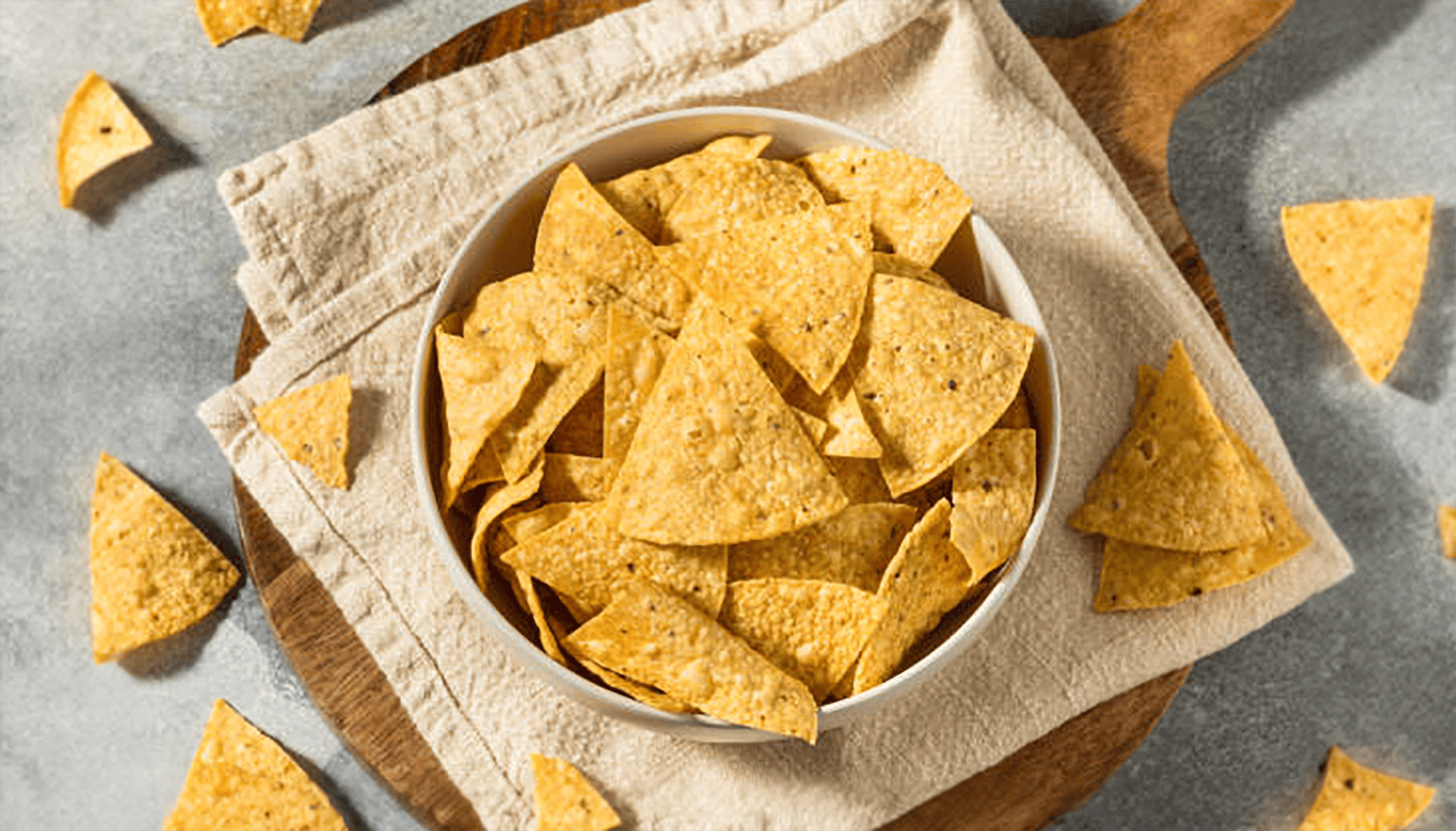
History and Origins of National Tortilla Chip Day National Tortilla Chip Day is observed annually on February 24 and celebrates a snack rooted in ancient Mesoamerican food traditions and transformed through twentieth-century commercial innovation. The tortilla chip, while now a staple of snack aisles and restaurant tables across the United States, began as an extension […]
History and Origins of National Steakburger Day National Steakburger Day is observed annually in late February and celebrates a variation of the American hamburger distinguished by its emphasis on steak-quality beef. The steakburger emerged in the early twentieth century as restaurants sought to differentiate their offerings within a growing fast food landscape. The hamburger itself […]
National Green Week is observed annually in the United States during the first full week of February. The observance was established in 2008 by the Green Education Foundation, a nonprofit organization focused on sustainability education in K through 12 schools. The first full week of February is calculated as the Sunday through Saturday period entirely […]
DiscoverE Girl Day is observed annually in February and is coordinated by DiscoverE, formerly known as the National Engineers Week Foundation, a nonprofit organization based in the United States. The observance was established in 2001 as an initiative to introduce girls to engineering careers through structured activities and direct engagement with engineers. Rather than being […]
Pink Shirt Day Canada is observed annually on the last Wednesday in February. The observance originated in Nova Scotia in 2007 when two high school students organized a campaign encouraging classmates to wear pink in support of a student who had been bullied for wearing a pink shirt. The initiative expanded nationally and is now […]
History and Origins of National Chocolate Covered Nut Day National Chocolate Covered Nut Day is observed annually on February 25 and celebrates a confection that combines two ancient food traditions: cacao and tree nuts. The pairing of chocolate and nuts reflects centuries of agricultural exchange, culinary experimentation, and commercial innovation. Cacao was first cultivated in […]
History and Origins of National Clam Chowder Day National Clam Chowder Day is observed annually on February 25 and celebrates a seafood soup that reflects coastal settlement, maritime labor, and regional identity in the United States. Clam chowder developed in northeastern coastal communities where shellfish were abundant and preservation techniques shaped everyday cooking. The word […]
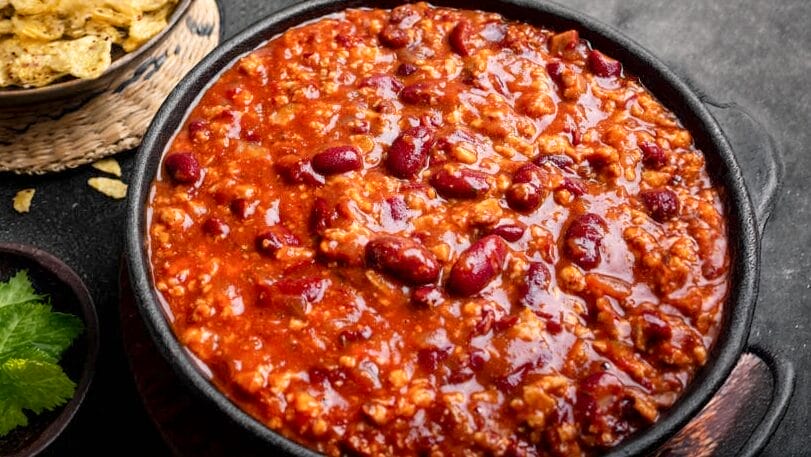
History and Origins of National Chili Day National Chili Day is observed annually on the fourth Thursday in February and celebrates a dish deeply rooted in the culinary history of the American Southwest. National Chili Day recognizes chili as both a regional staple and a cultural symbol shaped by migration, trade, and agricultural adaptation. The […]
The EDSA Revolution Holiday is observed annually on February 25 in the Philippines. It commemorates the People Power Revolution of 1986, a four day period of mass demonstrations that led to the end of the presidency of Ferdinand Marcos and the assumption of office by Corazon Aquino. The date is fixed on February 25 each […]
History and Origins of National Personal Chefs Day National Personal Chefs Day is observed annually on February 26 and recognizes the professionals who provide customized culinary services in private homes. Unlike restaurant chefs who operate within fixed menus and public dining spaces, personal chefs design meals around the individual needs, preferences, and lifestyles of their […]
Skip the Straw Day is observed annually on the fourth Friday in February. The observance was established by the Coral Keepers, a youth led environmental group based in White Rock, British Columbia, Canada. The first Skip the Straw Day was held in 2017. Because the observance follows a weekday pattern, the exact calendar date changes […]
History and Origins of National Pasty Week National Pasty Week is observed annually in late February and celebrates a savory pastry with deep ties to labor history, migration, and regional identity. The pasty originated in Cornwall, England, where it became closely associated with tin miners during the eighteenth and nineteenth centuries. The Cornish pasty was […]
History and Origins of National Kahlua Day National Kahlua Day is observed annually on February 27 and celebrates a coffee liqueur that blends Mexican agricultural heritage with modern cocktail culture. National Kahlua Day recognizes Kahlua as more than a sweet after-dinner drink. It highlights the layered history of coffee cultivation, sugar production, and rum distillation […]
History and Origins of National Strawberry Day National Strawberry Day is observed annually on February 27 and celebrates one of the most widely cultivated fruits in the world. National Strawberry Day recognizes the strawberry not simply as a sweet seasonal treat, but as a product of agricultural hybridization, global trade, and centuries of cultural symbolism. […]
History and Origins of The Big Breakfast Day The Big Breakfast Day is observed annually in late February and celebrates the concept of a substantial morning meal rooted in agricultural and labor traditions. Historically, large breakfasts were common in agrarian societies where physical labor demanded sustained caloric intake early in the day. In rural Europe […]
International Polar Bear Day is observed annually on February 27. The observance was established by Polar Bears International, a nonprofit conservation organization founded in 1992 and headquartered in the United States. The organization introduced the observance in the mid 2000s, with 2008 widely cited as the first formal International Polar Bear Day. The date is […]
History and Origins of National Chocolate Souffle Day National Chocolate Souffle Day is observed annually on February 28 and celebrates a dessert rooted in French culinary technique and precision. The souffle, whose name derives from a French term meaning “to puff,” emerged in the eighteenth century as chefs refined egg-based preparations. Early souffles were savory […]
History and Origins of National Pancake Day National Pancake Day is observed annually in late February or early March, typically aligned with Shrove Tuesday in many traditions, and celebrates one of the oldest prepared foods in human history. Pancakes, in their most basic form, consist of ground grain mixed with liquid and cooked on a […]
Chocolate Chip Cookie Week is observed during the second week of March and celebrates one of the most influential baked goods in modern American culinary history. While the holiday itself is relatively recent, the chocolate chip cookie it honors has reshaped domestic baking, commercial chocolate production, and industrial food distribution since the 1930s. Chocolate Chip […]
National Fruit Compote Day is observed annually on March 1 and celebrates a preservation technique that predates refrigeration, industrial canning, and modern food storage systems. National Fruit Compote Day recognizes fruit compote not merely as a sweet topping, but as a culinary response to seasonality, surplus harvest, and the need to extend perishable ingredients beyond […]
Berries and Cherries Month is observed in March and celebrates early season fruit cultivation, agricultural labor, and the global systems that support berry and cherry production. Berries and Cherries Month recognizes strawberries, blueberries, raspberries, blackberries, and cherries as crops shaped by botanical science, climate patterns, and international trade. Wild berries were gathered long before formal […]
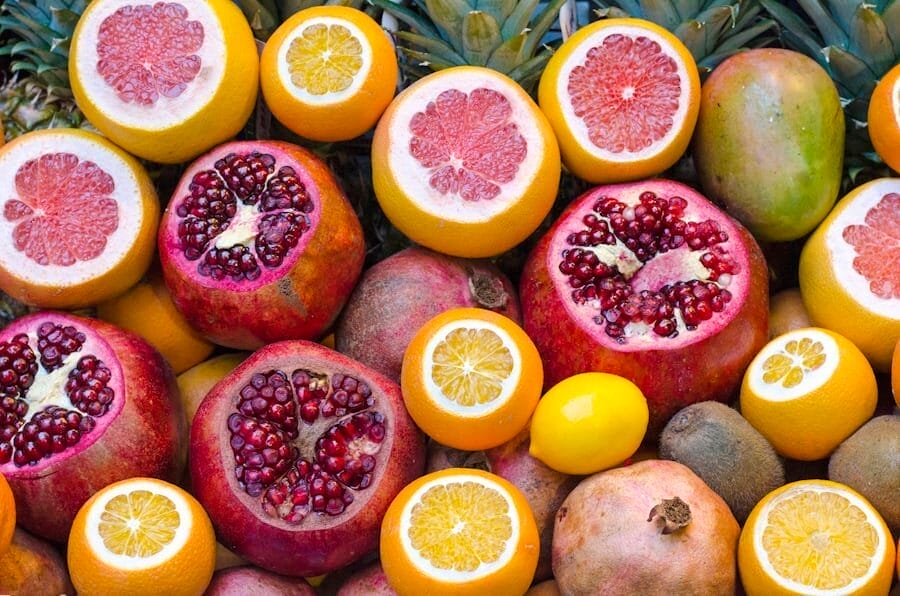
Exotic Winter Fruit & Leeks and Green Onions Month is observed in March and highlights two distinct but seasonally linked agricultural categories. The observance recognizes exotic winter fruits such as citrus, pomegranates, and persimmons alongside leeks and green onions, crops that mature in cooler climates and sustain markets during colder months. Exotic Winter Fruit & […]
Frozen Food Month is observed in March and celebrates one of the most important preservation and distribution technologies of the modern food system. Frozen Food Month recognizes how freezing transformed what people could eat, when they could eat it, and where food could travel without becoming unsafe or unusable. Humans have used cold for preservation […]
National Flour Month is observed in March and celebrates an ingredient so foundational that it often becomes invisible in daily cooking. National Flour Month recognizes flour as the engineered result of grain domestication, milling technology, and global commodity trade, an ingredient that underpins bread, noodles, pastries, sauces, and countless regional staples. Flour begins with grain […]
National Noodle Month is observed in March and celebrates noodles as one of the most globally shared food forms, a category that connects ancient grain processing, migration, industrial milling, and modern convenience. National Noodle Month is not just about a single dish. It highlights a technique that turns flour or starch into shelf-stable strands, sheets, […]
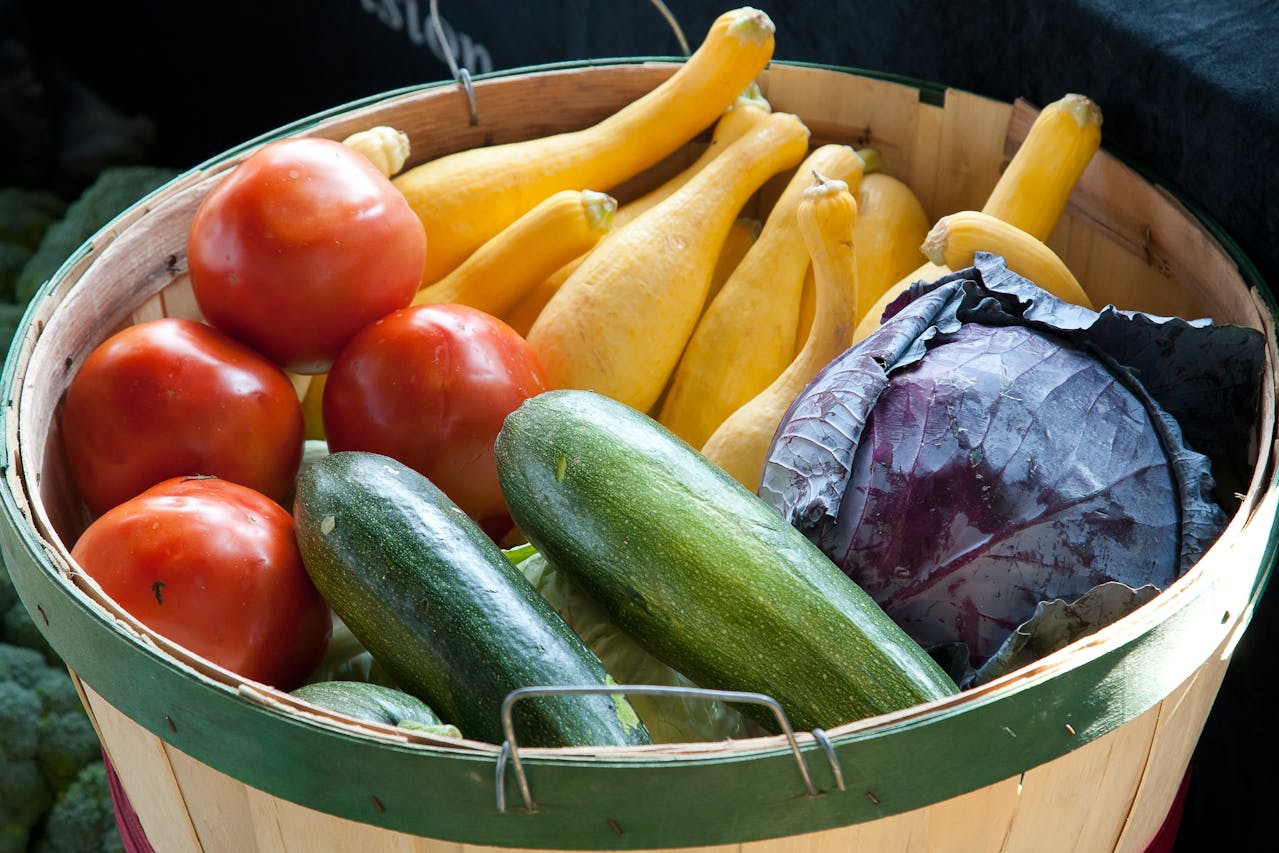
Veggie Month is observed in March and celebrates vegetables as the foundation of seasonal eating, agricultural diversity, and culinary technique. Veggie Month recognizes that vegetables are not supporting characters. They are the core of many cuisines, the main drivers of texture and aroma in countless dishes, and the most direct way people experience local soil, […]
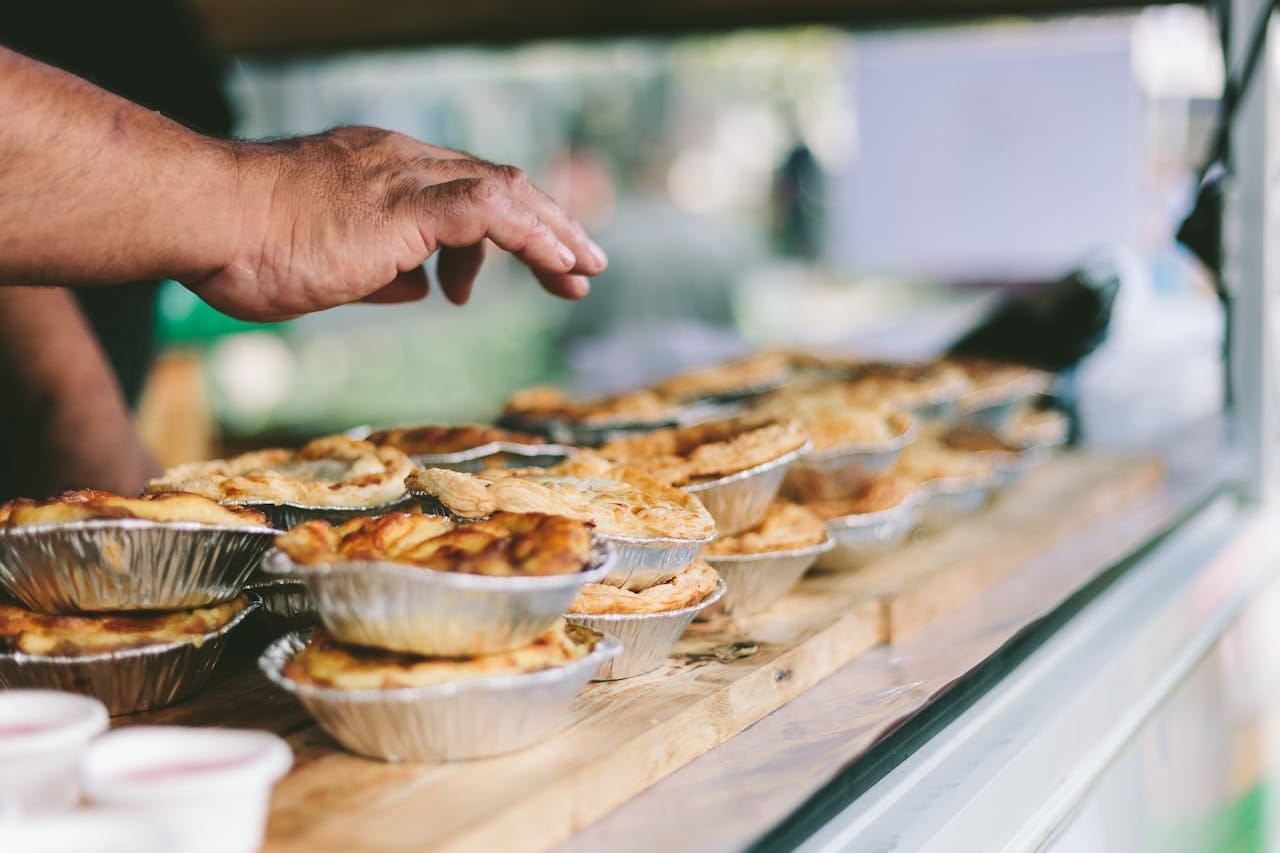
British Pie Week is observed in early March and celebrates one of the United Kingdom’s most enduring food structures: a filled dish enclosed by pastry that is designed to travel, hold heat, and concentrate flavor. British Pie Week is not just about comfort food. It is about a cooking technology that grew alongside urban labor, […]
National Banana Cream Pie Day is observed annually on March 2 and celebrates a dessert built on layered textures and a global ingredient story. National Banana Cream Pie Day highlights how bananas, dairy, sugar, and pastry became linked through trade, refrigeration, and the American tradition of cream pies that matured in the twentieth century. Bananas […]
National Egg McMuffin Day is observed annually on March 2 and celebrates a breakfast sandwich that helped define modern fast-food morning culture. National Egg McMuffin Day is not merely a brand-oriented observance. It recognizes a product that influenced how Americans understand breakfast portability, convenience, and standardized taste. The Egg McMuffin was introduced in the early […]
33 Flavors Day is observed in March and celebrates the idea of abundant variety in ice cream culture, especially the classic American parlor tradition of offering a broad menu of distinct flavors. While the “33 flavors” phrase is strongly associated with specific regional ice cream brands and shops that popularized the number as a marketing […]
Canadian Bacon Day is observed in March and celebrates a cured pork product that has become strongly associated with North American breakfast culture. Canadian Bacon Day is a useful lens for understanding how meat naming, regional processing traditions, and cross-border food identity can diverge. What many Americans call Canadian bacon often differs from what many […]
International Irish Whiskey Day is observed annually on March 3 and celebrates Irish whiskey as a spirit shaped by monastic learning, agricultural cycles, taxation, global trade, and modern revival. International Irish Whiskey Day highlights a category that has moved through periods of dominance, collapse, and resurgence, all while maintaining a distinct identity within the broader […]
National Cold Cuts Day is observed in March and celebrates sliced, ready-to-serve meats that became a defining feature of modern deli culture. National Cold Cuts Day highlights a category built from preservation science, industrial meat processing, and the social habit of assembling quick meals without turning on a stove. Cold cuts may seem ordinary, but […]
National Moscow Mule Day is observed in March and celebrates a cocktail that helped shape modern American drinking culture through branding, supply chains, and a very specific sensory experience. National Moscow Mule Day highlights a drink built around vodka, ginger beer, and lime, often served in a copper mug that amplifies cold temperature and reinforces […]
National Mulled Wine Day is observed in March and celebrates a warm spiced beverage that connects preservation, trade, and winter social ritual. National Mulled Wine Day highlights mulled wine as a technique rather than a single recipe. It involves heating wine gently with aromatics, typically spices and citrus, to create a drink that feels both […]
Soup It Forward Day is observed in March and celebrates soup as one of the most practical and culturally universal meal formats. Soup It Forward Day highlights a food that can be humble or luxurious, but almost always serves the same function: convert ingredients into warmth, hydration, and nourishment that can be shared easily. The […]
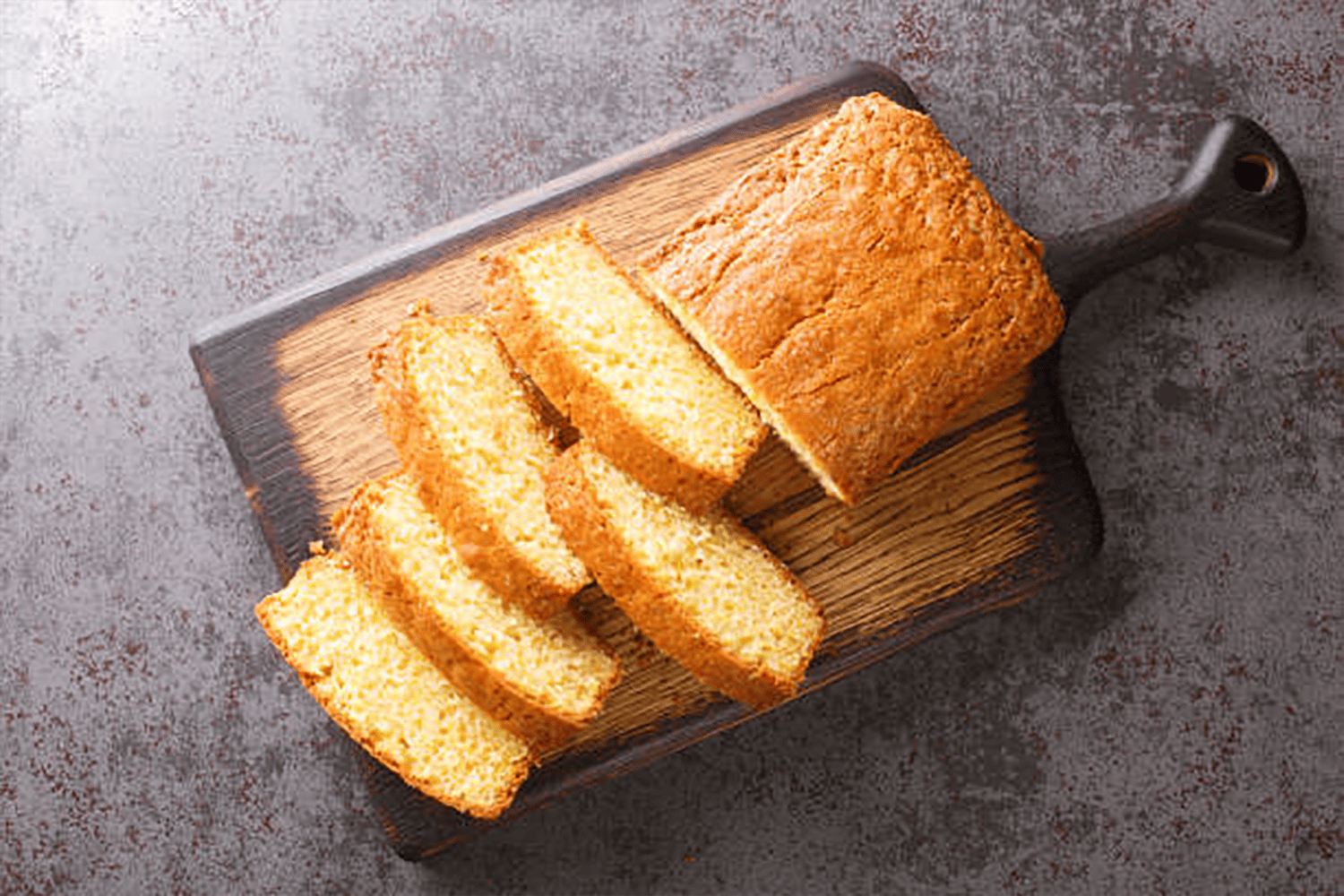
National Pound Cake Day is observed annually on March 4 and celebrates a cake style built on proportion, pantry stability, and the historical logic of simple ratios. National Pound Cake Day highlights a dessert that began as a practical formula and became a cultural staple across multiple regions, with variations shaped by ingredients, technology, and […]
Cinco de Marcho is observed in March and is best understood as a modern, playful food-and-drink themed observance rather than a historical commemoration. Cinco de Marcho is often framed as a pun on “Cinco de Mayo,” and it typically functions as a prompt for casual celebration centered on Mexican-inspired flavors, nachos, tacos, and festive beverages. […]
Cinco de Marcho is observed in March and is best understood as a modern, playful food-and-drink themed observance rather than a historical commemoration. Cinco de Marcho is often framed as a pun on “Cinco de Mayo,” and it typically functions as a prompt for casual celebration centered on Mexican-inspired flavors, nachos, tacos, and festive beverages. […]
National Cheese Doodle Day is observed annually on March 5 and celebrates a snack product that represents the intersection of corn agriculture, industrial extrusion technology, flavor engineering, and twentieth-century convenience culture. National Cheese Doodle Day highlights cheese doodles as more than a bright orange, airy snack. They are the result of precise mechanical processing that […]
National White Chocolate Cheesecake Day is observed in March and celebrates a dessert that merges dairy chemistry, confection technology, and evolving consumer taste for sweetness and richness. National White Chocolate Cheesecake Day highlights a hybrid creation: cheesecake’s tangy, protein-structured custard base combined with the smooth, cocoa-butter-driven sweetness of white chocolate. Cheesecake itself predates modern baking […]
National Frozen Food Day is observed annually on March 6 and recognizes the technological breakthrough that transformed freezing from a seasonal accident into a precise preservation system. National Frozen Food Day centers on the science of rapid freezing, cold chain logistics, and the industrial infrastructure that made frozen vegetables, seafood, and prepared meals widely accessible. […]
National Oreo Cookie Day is observed annually on March 6 and celebrates one of the most recognizable sandwich cookies in the world. National Oreo Cookie Day highlights not only a specific brand of cookie but also the industrial evolution of packaged baked goods, global flavor marketing, and the cultural rituals that surround snack foods. Since […]